Portugal rewards travelers who prefer a few comfortable bases to a different hotel every night. This 12-day plan connects Lisbon, Sintra, Evora, Coimbra, Porto and the Douro with time for history, good lunches and unhurried afternoons.
1. Lisbon makes the first few days feel manageable
For American retirees arriving after an overnight flight, Lisbon works best as a gentle introduction rather than an endurance test. Stay four nights and keep day one close to your hotel, with a walk through Praça do Comércio and lunch in the lower streets of Baixa. English is widely spoken in hotels, major attractions and restaurants serving international visitors, which helps with everything from ordering fish to discussing dietary requirements. Portugal is generally a safe destination, although pickpocketing remains a concern on crowded trams and around busy sights.
Use day two for Belém, pairing the church or cloister of Jerónimos Monastery with a custard tart at Pastéis de Belém, which began selling its pastries in 1837. Reserve any required admission ahead and check current opening arrangements. Belém offers more level walking than Alfama, but distances between sights still add up. Comfortable shoes with good grip matter: Lisbon’s patterned limestone paving can become slippery when wet.
2. Short outings let you enjoy more without changing hotels
Spend day three exploring one Lisbon neighborhood, then use day four for Sintra. Its royal residences and wooded hills feel quite different from the capital, yet the journey usually takes around 40 to 60 minutes by road, depending on traffic and your starting point. The practical advantage is not simply proximity. You can see a contrasting landscape, have a proper lunch and return to the same room rather than packing another suitcase.
Choose one principal Sintra attraction. The National Palace of Sintra, recognizable by its two white kitchen chimneys, suits a visit centered on the historic town, though it still involves steps. Pena Palace offers theatrical 19th-century architecture higher on the hill, with more demanding access and timed-entry planning. Do not assume a vehicle can reach every palace entrance. A local driver/guide can shape the day around the guests, allowing for walking tolerance, weather and whether a longer lunch matters more than another ticketed stop.
3. Evora gives history lovers depth without a huge-city schedule
On day five, leave Lisbon for two nights in Évora, roughly a 90-minute drive before stops or traffic delays. Within its historic center, Roman remains, medieval streets and Renaissance buildings sit close enough to explore in separate outings. Start with the Roman Temple and the cathedral area, then leave the Church of São Francisco and its Chapel of Bones for day six. The temple is often called the Temple of Diana, although that dedication is not established.
Évora is especially rewarding for travelers who have already visited Rome or Florence and now want time to absorb a smaller historic city. Compact does not mean entirely level, so divide sightseeing between morning and late afternoon. At lunch, look for açorda alentejana, a bread-based dish with garlic and coriander, or black pork dishes. In warm months, an indoor afternoon break is sensible. Add a winery visit only if it leaves room for the town itself, and reserve tastings in advance.
Browse our travel inspiration for ideas, or tell us what kind of day you have in mind.
4. The journey north can be part of the holiday
Day seven is the longest relocation in this plan: allow around three hours of driving from Évora to Coimbra, excluding breaks. Rather than push straight through to Porto, spend a night in Coimbra and turn the transfer into a university-city visit. Its university was founded in Lisbon in 1290 and settled permanently in Coimbra in 1537. The hilltop university precinct provides a different historical perspective from Lisbon’s maritime monuments and Évora’s Roman remains.
Book the appropriate university ticket ahead if the Joanina Library is a priority, paying attention to entry times and visitor rules. The upper town is steep, so plan vehicle access and walking separately rather than assuming every lane is reachable. Portugal Magik’s private tours use Mercedes-Benz vehicles, taking the driving and unfamiliar road navigation off your hands. Continue to Porto on day eight, normally around 90 minutes away by road, leaving enough time for lunch and an uncomplicated first afternoon.
5. Porto makes food and wine a reason to linger
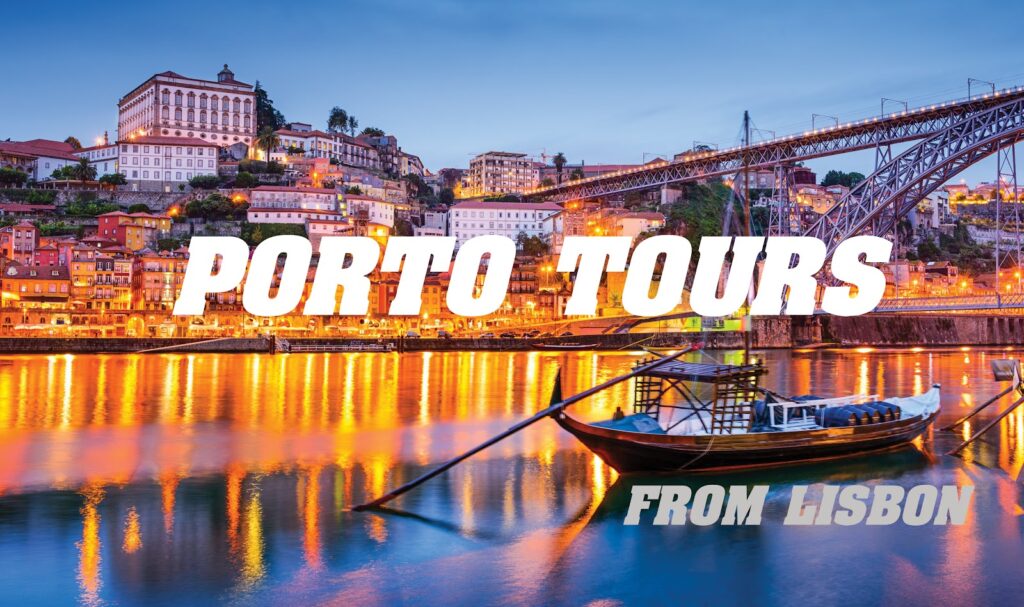
Give Porto two nights before moving into wine country. On day eight, focus on São Bento station’s tile panels and the cathedral area, keeping in mind the slopes between the upper city and Ribeira. Use day nine for the riverfront and a reserved port lodge visit across the Douro in Vila Nova de Gaia. Port is produced from grapes grown in the demarcated Douro region; Gaia’s lodges explain the city’s long role in its storage, aging and trade.
For American travelers comparing European destinations, Portugal’s appeal includes opportunities to spend thoughtfully rather than a promise that everything costs less. Neighborhood restaurants and Portuguese wines can offer good value compared with celebrated dining districts in France or Italy, while sought-after hotels and tasting menus may be expensive. Try grilled fish or bacalhau, Portugal’s much-loved salt cod. Porto’s francesinha is another local specialty, but its layers of meat, melted cheese and sauce make sharing worth considering before an afternoon walk.
6. The Douro rewards a slower finish
Travel to the Douro on day ten for two nights near Peso da Régua or Pinhão. Porto to Pinhão generally takes about two hours by road, but winding stretches and scenic stops call for flexibility. This is not a region to rush between several appointments. Book one vineyard visit, allow time for lunch and leave another morning open for Pinhão’s station tiles and views of the terraced slopes. Ask properties about steps, gradients and room access before booking, since hillside settings can bring substantial walking.
Having someone else handle the roads also means neither member of a couple needs to be the designated driver after a tasting. On day twelve, return toward Porto, allowing generous airport time or adding a final city night before an early flight. That is the strongest reason to choose Portugal: not to collect more stops, but to connect distinctive places at a pace that still feels like a holiday.
Plan your own day
Share your dates, group size and interests, and we will suggest a tailored plan with a local driver/guide.