Avoid rushed transfers, crowded highways, and logistical pitfalls with these practical multi-day planning adjustments for your trip across Portugal.
1. Treating the drive between Lisbon and Porto as a high speed transit
Many American visitors book a high speed train or race down the A1 highway between Lisbon and Porto, treating the journey as dead travel time. In doing so, they miss central Portugal, which holds some of the country’s most significant cultural milestones. By dedicating a full day to this journey in a private vehicle, you can weave through Romanesque ruins, fortified hill towns, and coastal fishing ports without packing and unpacking at an intermediate hotel.
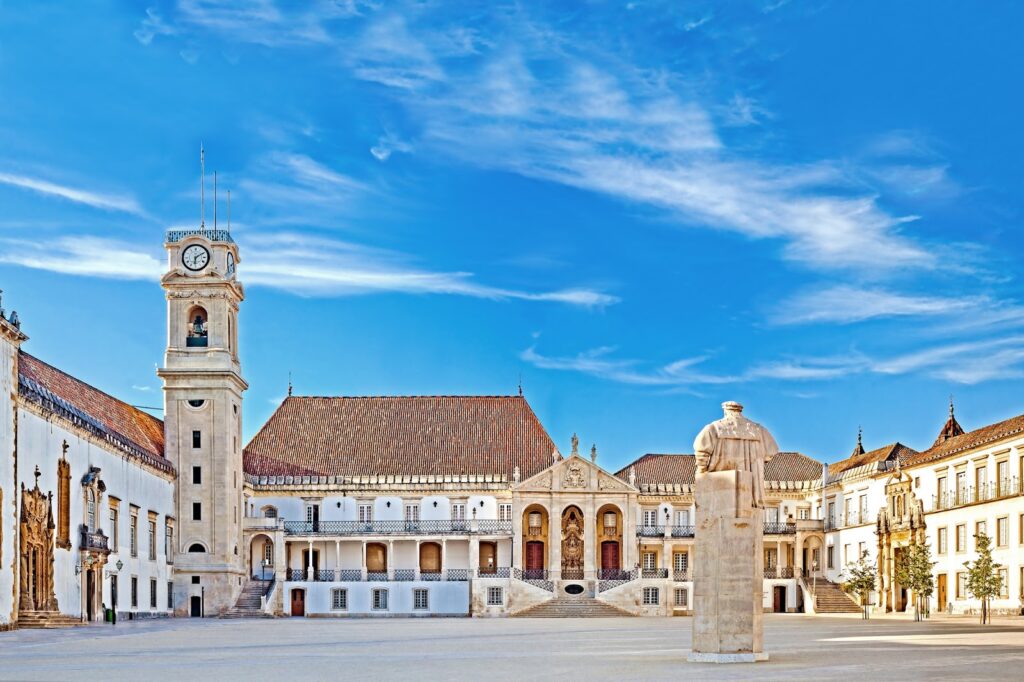
A seamless routing includes a morning stop at the medieval town of Obidos for a walk along its crenelated ramparts, followed by an oceanfront lunch of grilled sea bass in Nazare. From there, an afternoon detour leads to Batalha Monastery, a fourteenth-century masterpiece of Manueline architecture, or to the historic university grounds in Coimbra. Having a local driver and guide allows you to leave luggage secure in the trunk of a clean Mercedes-Benz sedan while you explore without worrying about finding tight parking spots in ancient village centers.
2. Rushing Sintra as a half day excursion from Lisbon
A frequent miscalculation is scheduling Sintra as a quick morning trip before returning to Lisbon for afternoon museum appointments. Sintra is an expansive cultural landscape nestled in the Serra de Sintra hills, and attempting to sprint through it results in long waits, steep uphill walks, and immense frustration. The roads winding up to Pena Palace and the Moorish Castle are narrow, heavily regulated, and closed to standard rental vehicles.
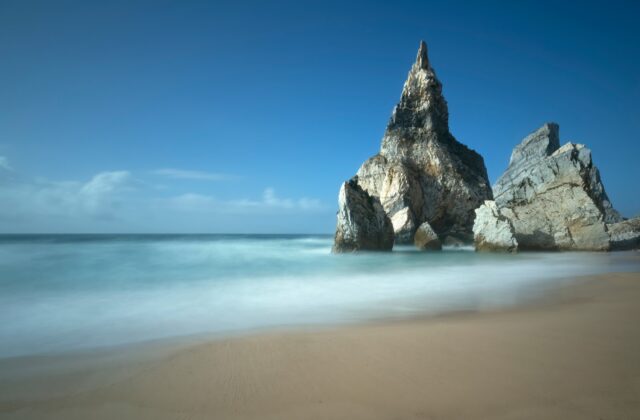
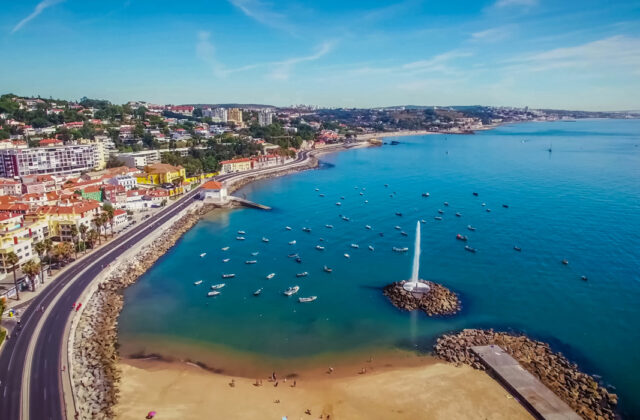
Instead, devote a full day to the region and combine contrasting sites. Spend the morning exploring the eccentric gardens and underground initiation wells of Quinta da Regaleira before the largest crowds arrive, then pause for lunch in the village center over traditional travesseiros pastries. Complete the afternoon by escaping the hill crowds altogether, descending to the Atlantic coastline to view the dramatic cliffs of Cabo da Roca and the wide sandy crescent of Guincho Beach before tracing the ocean road through Cascais on your return.
3. Booking a Douro Valley day trip without an overnight stay
Americans often treat the Douro Valley as an easy day excursion from Porto, spending three hours each way navigating winding riverside roads or fixed train schedules. While a single day offers a glimpse of the terraced vineyards, it leaves little time to absorb the region’s rhythm or experience smaller family estates. The Douro is the oldest demarcated wine region in the world, shaped by eighteenth-century Pombaline markers and dramatic schist slopes.
The smarter strategy is anchoring two nights at an estate along the river near Pinhao or Peso da Regua. This pacing allows you to take an unhurried morning drive along the scenic N222 highway, visit high elevation viewpoints like Casal de Loivos, and sit down for an estate lunch paired with crisp white field blends and structured reds. Moving at this tempo also gives you the chance to appreciate quiet evenings when the tour crowds leave and the river valley settles into stillness.
Browse our travel inspiration for ideas, or tell us what kind of day you have in mind.
4. Attempting to drive rental cars into historic city cores
Many well-traveled Americans are accustomed to self-driving through rural France, Tuscany, or California wine country, and they assume renting a car at Lisbon Airport is the natural choice. However, Portuguese historic districts feature steep cobblestone lanes, tight hairpin turns, and complex resident-only access gates that confound GPS systems. Finding parking near your hotel in Lisbon’s Alfama, Porto’s Ribeira, or the walled center of Evora can easily consume hours of your vacation.
A far more practical approach is keeping urban days entirely vehicle-free, relying on flat walking routes, historic trams, or taxis within Lisbon and Porto. For transfers between regions and multi-day countryside routes, traveling with a private Mercedes-Benz vehicle provides seamless door-to-door transit without the stress of manual gearboxes, automated highway toll transponders, or narrow stone archways designed centuries before the invention of the automobile.
5. Skipping the Alentejo plains entirely
When American travelers compare itineraries, they frequently pair Lisbon with the Algarve or rush straight north to Porto, completely skipping the Alentejo region. Spanning the south-central heartland between the Tagus River and the southern coast, the Alentejo offers open landscapes of cork oak forests, olive groves, and whitewashed villages that contrast sharply with the coastal cities. It is also one of the country’s premier culinary destinations, known for acorn-fed pork, sheep cheeses from Serpa, and bold red wines.
A two or three day loop through the Alentejo fits naturally either before heading north or as a relaxing retreat after exploring Lisbon. Base yourself in Evora to walk past the Roman Temple of Diana and the Gothic Cathedral, then take morning drives across golden plains to border strongholds like Monsaraz. Standing on medieval battlements overlooking the Alqueva reservoir gives you an appreciation for Portuguese history and rural pace that major cities simply cannot replicate.
6. Overloading the daily schedule with too many sights
Accustomed to packed multi-city European tours, Americans often schedule four or five major monuments each day, running from cathedral cloisters to palace ticket lines on strict timelines. Portugal rewards a balanced rhythm that leaves room for the unexpected. A proper Portuguese lunch is not an inconvenience to be hurried; it is a central cultural ritual often lasting an hour and a half, featuring petiscos, warm bread, fresh olive oil, and regional wine.
Limit each day to one major historical site in the morning and one scenic stop or regional tasting in the afternoon. This cadence leaves space to wander quiet residential lanes, sip an espresso at a neighborhood kiosk, or watch fishermen unload their daily catch in a town like Peniche or Setubal. A dedicated driver and guide excels here, reading your energy levels and adjusting routes on the fly to avoid sudden coach crowds or mid-afternoon heat.
7. Overlooking the rich historic triangle of the central north
Porto serves as an exceptional base, but many visitors stay confined to the city’s waterfront wine lodges and historic center. By failing to look just an hour north, travelers miss the foundational roots of the Portuguese nation. The Minho and central northern region holds deep historical resonance, exceptional regional cooking like caldo verde, and light, refreshing Vinho Verde wines.
Dedicate a full day out of Porto to combine Guimaraes and Braga. In Guimaraes, wander the compact tenth-century castle and the Palace of the Dukes of Braganca where Portugal’s first king, Afonso Henriques, established the kingdom. Continue to Braga to visit the country’s oldest cathedral and climb the monumental Baroque granite staircase of Bom Jesus do Monte. This balanced day trip provides immense historical perspective while keeping drive times short and comfortable.
Plan your own day
Share your dates, group size and interests, and we will suggest a tailored plan with a local driver/guide.