From remarkably short travel times between iconic regions to exceptional dining and genuine hospitality, Portugal offers American retirees an effortless European journey.
1. Short travel distances connect completely different worlds
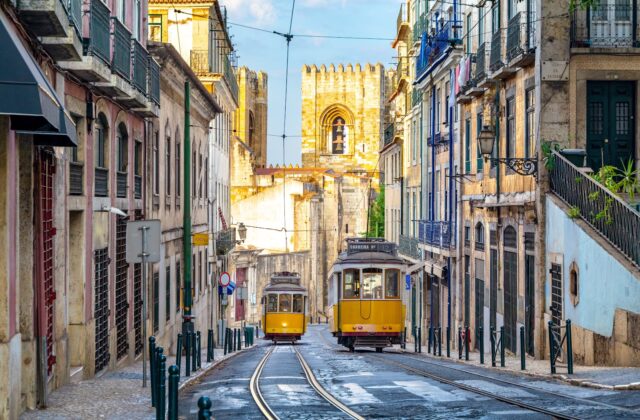
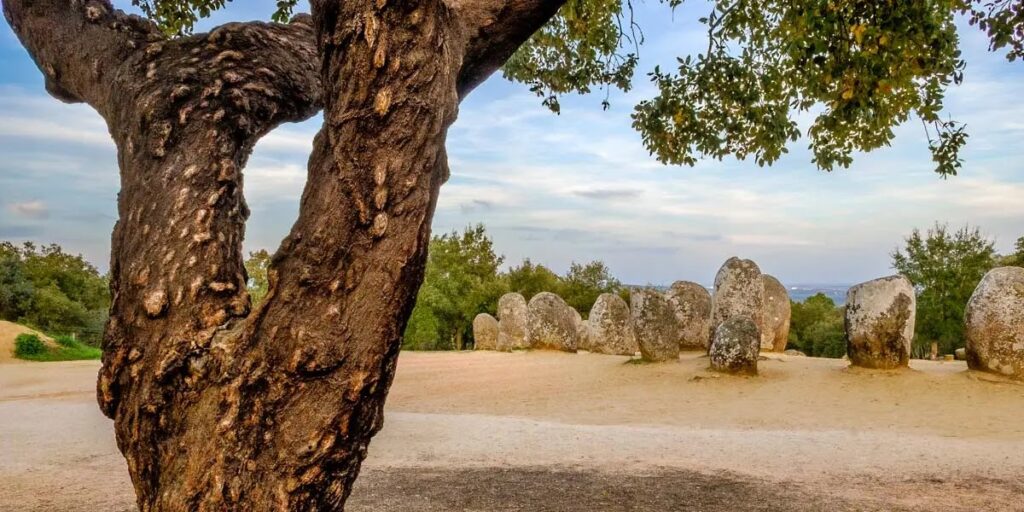
One of the biggest surprises for American travelers planning an extended European itinerary is how compact Portugal truly is. In large destinations like France or Spain, transitioning between wine regions and historic capitals often consumes entire days of train travel or highway driving. In Portugal, you can leave your Lisbon hotel after a relaxed breakfast, explore the Roman temple and medieval cathedral of Evora in the Alentejo by midday, and still arrive comfortably for dinner overlooking the cork oak groves of Monsaraz.
This geographic efficiency means retirees spend their vacation enjoying destinations rather than sitting in transit. A well-designed seven to ten day route can seamlessly combine the imperial history of Sintra, the university heritage of Coimbra, and the terraced hillsides of the Douro Valley without ever requiring a single drive longer than two or three hours.
2. High comfort and safety remove the friction of international travel
Retirees looking for peace of mind consistently rank safety and infrastructure near the top of their priorities. Portugal regularly appears near the very top of the Global Peace Index, offering an atmosphere where walking through city neighborhoods in Lisbon or Porto in the evening feels calm and unhurried. Clean streets, modern highways, and well-lit squares make exploring historic districts a pleasure rather than an exercise in caution.
Beyond safety statistics, everyday infrastructure works smoothly. High quality roads link rural villages directly to modern regional centers, medical facilities are universally well-regarded, and public spaces are respected. For travelers accustomed to busy American urban corridors, the gentle rhythm of daily life here provides an immediate sense of relief.
3. English is spoken widely with warmth and genuine patience
While learning a few courtesy words in Portuguese is always appreciated, American visitors never have to worry about language barriers creating awkward travel moments. English is taught extensively from an early age, and staff in family run restaurants, cultural heritage sites, and small shops converse comfortably. From ordering a specific vintage of port wine in Vila Nova de Gaia to asking for directions inside the castle walls of Obidos, communication is simple.
What stands out most to American visitors is the hospitality that accompanies the language. Rather than being treated as hurried tourists, older guests find that locals take time to share context about their hometowns, explain regional cooking traditions, and offer thoughtful recommendations with pride and authentic warmth.
Browse our travel inspiration for ideas, or tell us what kind of day you have in mind.
4. World-class food and wine deliver exceptional value compared to other destinations
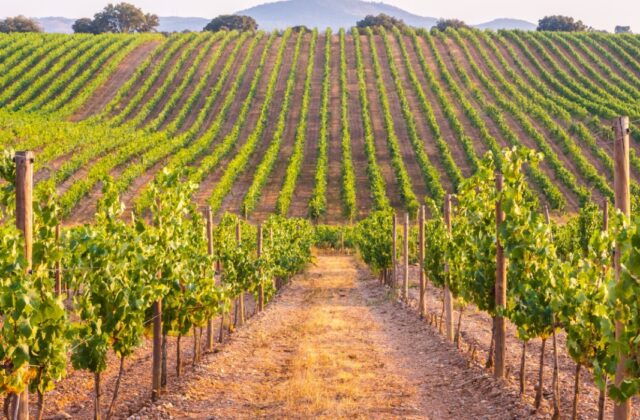
Many well-traveled Americans arrive in Portugal having spent years vacationing in Tuscany, Provence, or Andalusia. They are often astonished by the caliber of Portuguese dining and viticulture relative to the cost. A multi-course lunch featuring freshly landed sea bass in Cascais, crisp white wines from the Vinho Verde region, and warm custard tarts often costs half of what a comparable meal runs along the French Riviera or the Amalfi Coast.
Regional specialties shine everywhere you travel. In the north, savory dishes like slow-roasted kid goat paired with full-bodied Douro reds highlight deep rural traditions. Along the central coast around Peniche and Nazare, rich fish stews known as caldeirada simmer with saffron, potatoes, and pristine shellfish, turning simple roadside meals into trip highlights.
5. Freedom from navigating narrow lanes and steep historic hills
Historic Portuguese centers were built centuries before automobiles, featuring winding cobblestone alleys, tight hairpin turns, and restricted traffic zones that can induce stress for any driver. Trying to rent a car and navigate into the medieval heart of Tomar or find parking near the Pena Palace in Sintra can quickly spoil an afternoon. American retirees quickly realize that self-driving adds unnecessary tension to a holiday.
Traveling with a local driver and guide allows you to sit back in a spacious Mercedes-Benz vehicle while someone else manages mountain roads, toll transponders, and tight parking spaces. Your guide can shape the day around your personal energy, dropping you right at the entrance of historic monuments to avoid steep climbs, and waiting nearby while you explore at your own pace.
6. A climate that rewards spring and autumn exploration
Retirees often enjoy the flexibility of traveling outside the peak summer vacation windows of July and August. Portugal is uniquely blessed with more than three hundred days of sunshine per year, making April through June and September through November absolute prime seasons for cultural touring. Daytime temperatures in regions like the Alentejo or the Silver Coast remain pleasant and crisp, ideal for walking ancient battlements or touring vineyard terraces.
Traveling during these shoulder months also means fewer crowds at marquee attractions such as the Jeronimos Monastery in Belem or the Joanina Library in Coimbra. You can linger over coffee in shaded plazas, converse with winemakers during the autumn grape harvest, and take in scenic viewpoints without the summer heat.
7. Rich layers of history that reward slow, curious visits
For Americans with an interest in global history and architecture, Portugal offers an incredible depth of narrative. Over several consecutive days, you can trace human settlements from Celtic castros and Roman aqueducts in Conimbriga to Moorish fortresses and soaring Gothic cloisters. The sheer variety of architectural movements, including the distinctly maritime Manueline style seen at the Convent of Christ in Tomar, keeps every day fresh.
Rather than skimming surfaces, retirees often prefer having the time to absorb how these historical chapters connect to modern life. Visiting historic estates where families have farmed olive trees and bottled wine since the eighteenth century brings history out of the museum and into lived reality.
8. Flexible pacing tailored to personal interests rather than rigid group schedules
Large bus tours impose fixed departure times, rushed photo stops, and pre-selected group buffets that appeal to very few discerning travelers. American retirees want autonomy: the freedom to stay another hour in an artisanal pottery workshop in Sao Pedro do Corval, or to skip a crowded viewpoint in favor of a quiet country walk among granite boulders.
A private journey through Portugal Magik puts control back in the traveler’s hands. A knowledgeable local driver and guide can shape the day around your preferences, adjusting stops based on the weather, suggesting an impromptu stop at an authentic cheese producer in the Serra da Estrela foothills, and ensuring your route feels like an effortless personal narrative rather than an exhausting checklist.
Plan your own day
Share your dates, group size and interests, and we will suggest a tailored plan with a local driver/guide.