A return to Portugal lets you trade a checklist for a better-paced regional journey. These nine reasons show how to combine familiar gateways with smaller towns, vineyard stays and coastal afternoons over several days.
1. You can build a week around fewer hotel changes
After a first visit covering Lisbon, Sintra and Porto, a second trip can feel more like settling in. Spend three nights in Lisbon and four in Évora, rather than moving luggage every morning. From Lisbon, choose one day in Belém and another around Cascais; from Évora, alternate city sights with outings to Arraiolos and Monsaraz.
Lisbon to Évora usually takes about 90 minutes by road, depending on traffic and your starting point. That manageable transfer leaves room for lunch and an afternoon walk. For Americans accustomed to long domestic journeys, Portugal makes it possible to change scenery without sacrificing an entire vacation day.
2. The places you skipped fit naturally into the next route
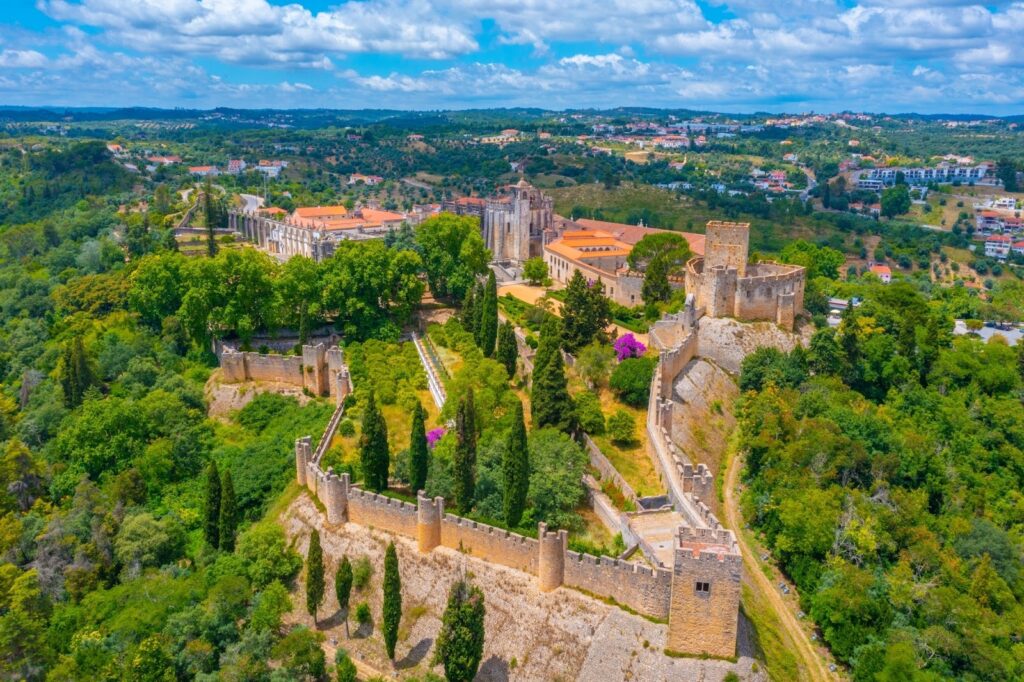
Central Portugal rewards travelers who previously hurried between the two largest cities. Allow two nights in Tomar, then two in Coimbra. Tomar’s Convent of Christ preserves the round Templar church, the Charola, within a complex expanded over subsequent centuries. Give it a morning rather than squeezing it into a roadside stop.
Use the following day for Almourol Castle, on an island in the Tagus, checking boat access and operating conditions before setting out. Continue to Coimbra for its hilltop university and an excursion to the Roman site of Conímbriga. This four-night sequence connects distinct historical periods without treating every day as a marathon.
3. A driver makes the countryside part of the holiday
On a return visit, the appeal often shifts from major monuments to places reached along smaller roads. Combine two nights in Porto with three around Pinhão in the Douro Valley. The journey into wine country takes roughly two hours without sightseeing stops, but winding roads and estate visits call for generous timing.
Portugal Magik provides private driver and guided touring services in Mercedes-Benz vehicles. A local driver/guide can shape the day around the guests, allowing a longer vineyard lunch or fewer walking stops. Wine tastings also become easier to plan when nobody in the party has to drive afterward; reserve estate visits ahead.
Browse our travel inspiration for ideas, or tell us what kind of day you have in mind.
4. Regional food gives each overnight stop a purpose
A second trip can follow regional appetites rather than famous restaurants alone. Spend three nights in Évora for açorda alentejana, a bread-based preparation with garlic and coriander, and porco preto dishes. Add two nights in Setúbal for choco frito, the city’s fried cuttlefish specialty, and grilled fish chosen from the day’s availability.
Évora to Setúbal takes around 90 minutes by road. On the coast, devote one morning to the Mercado do Livramento, checking opening days, then leave lunch unhurried. Visit Azeitão separately for its sheep’s milk cheese and nearby wine producers. Keeping market visits, tastings and substantial meals on different schedules avoids turning good food into an endurance exercise.
5. Familiarity makes independent time easier
Returning Americans already know some of Portugal’s everyday rhythms: later dinners, small coffees at the counter and steep streets that deserve sensible shoes. English is widely spoken in major visitor areas, hotels and many restaurants, although a few Portuguese greetings remain useful in smaller towns.
For a relaxed northern stay, spend four nights in Porto, with separate day trips to Braga and Guimarães. Both are roughly an hour away by road, traffic permitting. Keep another day free for Porto’s riverside and shops. Portugal is generally a comfortable destination for visitors, but ordinary precautions still matter, particularly around crowded transport, unattended belongings and slippery cobblestones.
6. Your budget can support more time, not just more stops
For Americans comparing another European holiday, Portugal merits a like-for-like budget check against France, Italy and Spain. Restaurant meals and regional accommodation can offer appealing value, especially outside the busiest locations and dates. That does not mean every Portuguese hotel or coastal resort is cheaper than its European counterpart.
Compare a five-night stay in Tavira with an equivalent stay in your shortlisted Mediterranean town, including room category, transfers and dining. Then build in two town days, a beach day reached by ferry and an outing to nearby Cacela Velha. Spending the difference on an extra night may improve the trip more than adding another destination.
7. Different generations can enjoy the same base
A return trip with children, parents or grandchildren works best when activities can be adjusted without relocating everyone. Cascais makes a practical four-night base: pair the town’s beaches and waterfront with a Lisbon day, then give Sintra its own day rather than combining both cities.
In Sintra, choose one principal monument and book required entry times before planning lunch. Pena Palace involves slopes and internal access logistics, while the National Palace of Sintra sits in the historic center, though it also has stairs. Back in Cascais, a free afternoon gives energetic walkers and guests who prefer a café equal room to enjoy themselves.
8. Another season reveals a different Portugal
Travelers who first visited in August have good reason to return in spring or autumn. Plan three nights in Lisbon followed by three in the Alentejo, using Évora as a base. Spring can bring green countryside and wildflowers; autumn offers a different agricultural landscape, although weather and seasonal timing vary.
Schedule exposed sites such as Monsaraz for cooler hours, even outside summer, and keep a museum or long lunch available for wet weather. September can still be hot, while winter days are shorter and some businesses reduce hours. Seasonal planning works best when it changes the day’s rhythm, not merely the packing list.
9. You can finally leave room for discovery
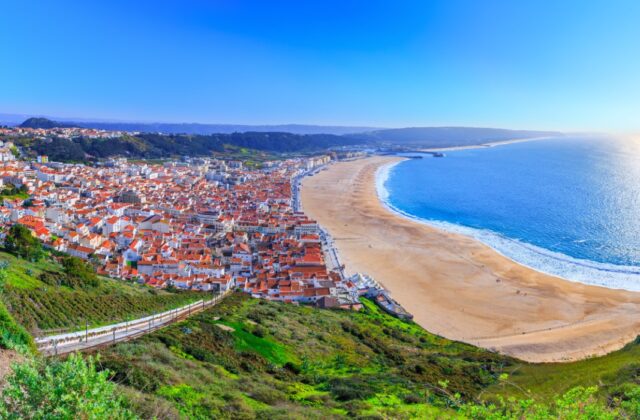
The strongest second-trip plan often leaves something out. Spend two nights in Lisbon, three in Tomar and two near Óbidos, allowing separate days for Batalha’s monastery and Nazaré’s fishing-town heritage. Do not promise yourself giant waves at Nazaré: those depend on particular swell conditions, most associated with the cooler months. A coastal walk and fish lunch remain worthwhile without them.
Return for depth rather than distance. Choose two or three bases, protect unplanned afternoons and let the places between your overnight stops become part of the journey.
Plan your own day
Share your dates, group size and interests, and we will suggest a tailored plan with a local driver/guide.