Pair two of the Alto Alentejo’s most atmospheric hill towns with Roman remains, regional food and the wooded slopes of the Serra de São Mamede. This four-day itinerary keeps travel manageable and gives each place time beyond its castle.
Start with three nights in the same place
Marvão and Castelo de Vide sit close enough together to share a base, but they reward separate days. One rises along a narrow granite ridge above the Spanish borderlands; the other spreads below its castle through lanes, squares and an important historic Jewish quarter. Add the Roman town of Ammaia and nearby Portalegre, and you have a varied four-day journey from Lisbon without changing hotels every morning.
Allow roughly three hours to reach this corner of the Alto Alentejo from Lisbon, depending on traffic and stops. Castelo de Vide is a practical base for evening meals and wandering between squares. Choose Marvão if staying inside a walled hilltop village matters more, while checking parking and luggage access before booking. Portugal Magik combines private driver services and guided tours with Mercedes-Benz vehicles; a local driver/guide can shape the day around guests’ walking pace, interests and preferred lunch timing. Keep three nights here, then use the fourth day for the journey onward.
Day 1: Arrive gently in Castelo de Vide
Leave Lisbon in the morning and aim for lunch in Castelo de Vide rather than squeezing another major destination into the transfer. Begin around Praça Dom Pedro V, where the church of Santa Maria da Devesa anchors the town centre. Coffee on the square is a useful pause before walking uphill. The streets become steeper as you approach the castle, so comfortable shoes with grip matter more than covering every lane.
Spend the afternoon between the castle area and the old Jewish quarter. Castelo de Vide’s Jewish heritage includes a building interpreted as a medieval synagogue, now a museum, and the lanes around the Fonte da Vila. The town received Jews fleeing Spain after the expulsion decree of 1492, before Portugal’s own forced conversions later that decade. Check museum access for your travel date, and give the neighbourhood time beyond a single photograph. Finish with dinner near your accommodation: Alentejo bread, olives and local cheese make a good opening to the regional table.
Day 2: Give Marvão a full, unhurried visit
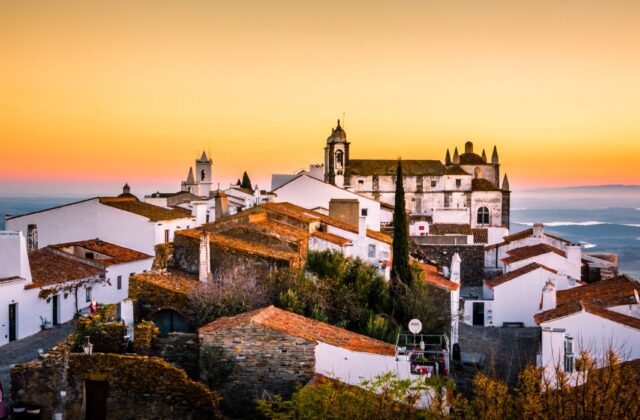
The drive from Castelo de Vide to Marvão takes about 20 minutes, but the change in setting is dramatic. Arrive in the morning, park where permitted near the village entrance and continue on foot. Marvão stands at roughly 860 metres above sea level, with wide views across Portugal and into Spain. Its name is associated with Ibn Marwan, the ninth-century rebel leader who used this stronghold during the period of Islamic rule.
Make the castle your first substantial stop. Its walls, keep and great cistern explain the practical business of defending a rocky frontier site. The fortifications developed over centuries, including important medieval work under Portuguese kings. Walk the accessible sections at your own pace; exposed steps and uneven stone deserve care, particularly in wind or rain. Afterwards, explore the whitewashed lanes and the garden beside the castle instead of immediately driving away.
Book lunch within the village if you want to avoid another transfer. Leave the afternoon for the municipal museum in the former church of Santa Maria, subject to opening hours, and a second circuit through quieter streets. Return to your base before tired legs turn the slopes into a chore.
Browse our travel inspiration for ideas, or tell us what kind of day you have in mind.
Day 3: Link Roman Ammaia with Portagem
Head down from the hill towns to São Salvador da Aramenha for the Roman ruins of Ammaia. This is a different historical layer from the castles: a Roman town whose excavated remains include parts of its monumental entrance, baths and forum area. Visit the museum as well as the archaeological site, since smaller finds help make sense of the foundations outside. Confirm current access before setting off, and bring water and a hat for the open ground.
Continue to Portagem, beside the River Sever, for lunch and a slower afternoon. Its historic bridge and riverside setting make a pleasant contrast to Marvão’s high walls. In warm weather, check whether the river bathing area is operating and what conditions are like rather than assuming swimming will be available. Otherwise, a short riverside walk and a shaded break are enough.
If everyone still wants activity, add a short walk on a marked route in the Serra de São Mamede Natural Park. Choose the route according to weather, daylight and fitness. These hills include oak and chestnut woodland, but paths can be stony and gradients surprisingly demanding.
Day 4: Stop in Portalegre before heading back
Use the final morning for Portalegre, roughly half an hour from Castelo de Vide by road. This gives the journey a worthwhile closing stop without committing to another overnight stay. Prioritise the Museu da Tapeçaria de Portalegre Guy Fino, which introduces the city’s distinctive tapestry tradition and the translation of artists’ designs into woven works. Check opening days before making it the centrepiece of your departure morning.
Follow with a short walk through the historic centre, including the cathedral area, then have lunch before returning to Lisbon. Portalegre also belongs to the Alentejo wine region, with vineyards influenced by the higher, cooler slopes around the Serra de São Mamede. If wine is a priority, arrange a producer visit in advance and replace part of the city programme rather than adding everything together. Allow around two and a half to three hours for the drive to Lisbon, plus a break, and leave additional margin if connecting with a flight.
Match meals and walking to the season
Spring and autumn generally suit this itinerary best, although rain can make granite paving slippery. Summer calls for earlier castle visits and longer lunches indoors. Winter brings shorter days and possible fog across the heights. Check attraction hours close to departure, especially for smaller museums, and reserve restaurants when travelling on weekends or holidays.
Look for migas, often served with pork, lamb dishes and açorda alentejana, the bread-based preparation commonly flavoured with garlic and coriander. Menus vary with season and kitchen. Chestnuts are especially associated with Marvão in autumn, while boleima, a traditional bake associated with Portalegre, makes a fitting final pastry stop. Keep lunches leisurely, but avoid making every meal a feast: these towns are best explored on foot, and another uphill lane usually waits around the corner.
Plan your own day
Share your dates, group size and interests, and we will suggest a tailored plan with a local driver/guide.