Give Aveiro three nights rather than a passing stop between Porto and Lisbon. This practical plan connects its canals with Costa Nova, Barra and Ílhavo, leaving time for local food and the changing moods of the lagoon.
Plan three nights around the lagoon
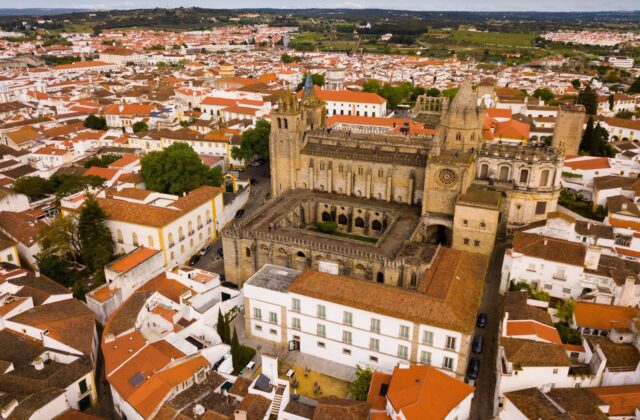
Aveiro works best when you treat the city and its coast as different parts of one landscape. The Ria de Aveiro is a coastal lagoon shaped by sand barriers, tides and human intervention, not simply a collection of picturesque waterways. Stay three nights in Aveiro to explore the central canals on arrival, spend a full day around Costa Nova and Barra, then visit Ílhavo and the salt pans before continuing your journey.
From Porto, allow roughly an hour by road to Aveiro in normal traffic. From Lisbon, the drive usually takes around two and a half to three hours before stops. Starting in Porto makes an easy southbound sequence: Porto, Aveiro, Coimbra, then Lisbon. If arriving from Lisbon, reverse the direction rather than repeatedly crossing the same ground.
Portugal Magik can connect these stops with private transport in Mercedes-Benz vehicles. A local driver/guide can shape the day around the guests, adjusting coastal time for the weather or giving a museum visit more room. Keep the central Aveiro sightseeing on foot where practical, with road transfers for the wider lagoon.
Day one: Walk the canals before taking to the water
Begin beside the Canal Central and Rossio, where bridges, waterside buildings and passing boats make the city’s geography easy to understand. Cross into the Beira Mar neighbourhood for narrow streets and the area around Praça do Peixe. Aveiro’s prosperity has long been linked to salt, fishing and maritime trade. The opening of an artificial inlet through the coastal barrier in 1808 was crucial to restoring the lagoon’s connection with the ocean.
The brightly painted moliceiro boats were traditionally used to gather aquatic vegetation, known as moliço, for agricultural fertiliser. Today’s sightseeing trips adapt that working heritage to the urban canals. Choose a scheduled canal excursion if it appeals, checking its route and duration locally. It provides a different angle on the city, but does not replace time walking through the neighbourhoods.
Afterwards, look for Art Nouveau facades around Rua João Mendonça and visit the Museu de Arte Nova in the Casa Major Pessoa, subject to opening hours. Break for ovos moles de Aveiro, the protected local sweet made with egg yolks and sugar, often enclosed in thin wafer shells shaped like fish or shells. Buy a small portion first: their richness rewards an unhurried coffee stop.
Day two: Give Costa Nova and Barra a full coastal day
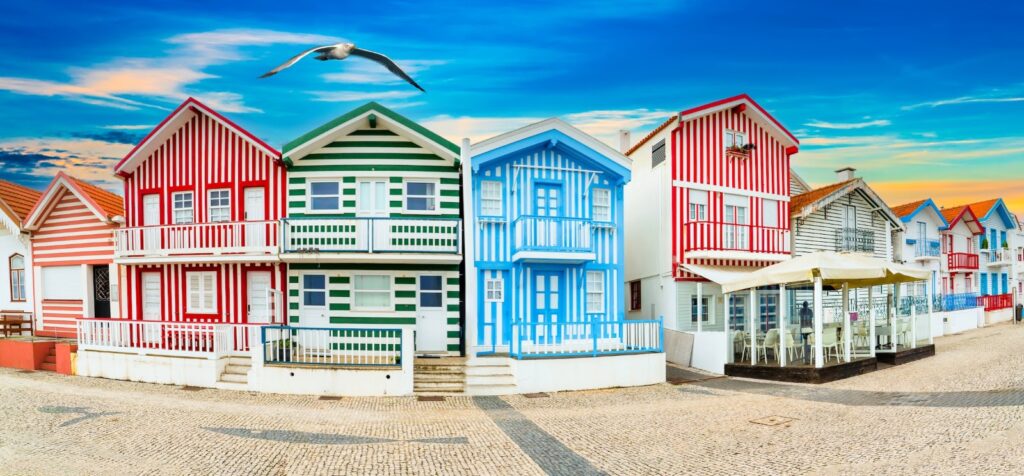
Head west after breakfast, allowing approximately twenty to thirty minutes to Costa Nova, depending on traffic. Start along Avenida José Estêvão on the lagoon side, where the striped palheiros are concentrated. These buildings recall the timber structures once used to store fishing equipment; many were later adapted as homes and holiday accommodation. The colourful fronts are not museum exhibits, so photograph them from public space without blocking doorways.
Walk across towards the Atlantic to understand Costa Nova’s narrow setting between lagoon and ocean. Boardwalks help protect the dunes and offer an easy way to enjoy the shore without committing to a long beach session. This is an exposed Atlantic coast: wind, surf and bathing conditions vary. Follow posted beach flags and lifeguard guidance rather than assuming that sunshine means calm water.
Plan lunch around fish or seafood, asking what is available that day. Caldeirada, a fish stew, makes sense here when offered, while tripa de Aveiro is a familiar sweet snack sold with various fillings. Continue north to Praia da Barra for the lighthouse, which entered service in 1893. Check current arrangements if you hope to go inside; the exterior and surrounding beach still justify the stop.
Browse our travel inspiration for ideas, or tell us what kind of day you have in mind.
Day three: Connect Ílhavo’s cod story with the salt landscape
Use the morning for the Museu Marítimo de Ílhavo, where Portugal’s distant-water cod fishing history becomes much more tangible. Exhibits explore life aboard fishing vessels and the small dories from which fishermen worked, while the museum’s cod aquarium brings the species itself into view. Check opening days before assigning this visit, especially if your stay includes a Monday.
Pair the museum with the Navio-Museu Santo André at Jardim Oudinot, near Gafanha da Nazaré. This former cod trawler offers a different perspective from the museum galleries, showing the working environment aboard a fishing ship. Expect steps and confined areas, and ask about access if anyone in your party has limited mobility. Leave a relaxed lunch interval between the two rather than treating them as quick photo stops.
Return towards Aveiro for the salt pans and the Ecomuseu Marinha da Troncalhada. The landscape explains a trade that helped shape the city for centuries. Outdoor salt production follows seasonal and weather-dependent rhythms, so visible harvesting is not assured. Even without active work, the shallow pans, banks and lagoon setting provide a useful contrast with the morning’s offshore fishing story.
Save Aveiro’s convent museum for departure morning
Before leaving, visit Museu de Aveiro/Santa Joana in the former Convent of Jesus, if its opening schedule fits. Princess Joana, daughter of King Afonso V, entered this Dominican convent in the fifteenth century. The church, gilded decoration and her elaborate tomb introduce a religious and artistic history that canal photographs alone cannot convey.
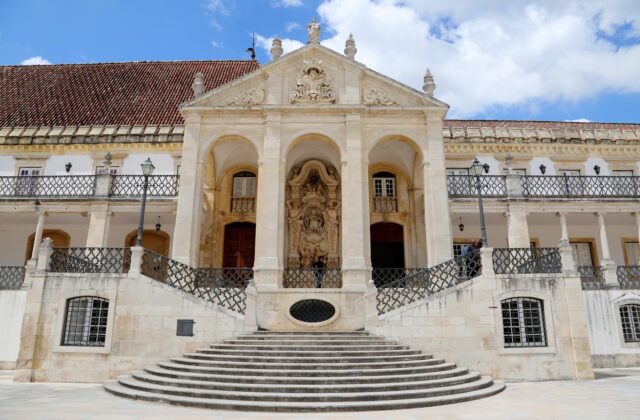
If Coimbra is next, allow around an hour for the drive in ordinary conditions, then give the university city the afternoon and preferably an overnight stay. Reserve any timed university visits separately. If returning to Porto for a flight, keep this morning lighter and build in a sensible airport buffer rather than adding another distant attraction.
Keep the order flexible, not the days crowded
The strongest version of this itinerary follows the forecast. Put Costa Nova on the clearest, least windy day and use the museums when rain moves in. Summer weekends can bring heavier beach traffic, so leave Aveiro early and settle lunch plans ahead. Outside the busiest season, verify restaurant and attraction opening days. Comfortable walking shoes, a windproof layer and time for an unscheduled waterside coffee will serve you better than a longer checklist.
Plan your own day
Share your dates, group size and interests, and we will suggest a tailored plan with a local driver/guide.