Build an eight-day journey around the Portuguese dishes worth traveling for, from Lisbon’s salt cod to Porto’s famously substantial sandwich. This south-to-north plan connects memorable meals with historic neighborhoods, coastal stops and manageable travel days.
1. Bacalhau à Brás, an easy first evening in Lisbon
Start with three nights in Lisbon rather than collecting hotel keys immediately after an overnight flight. Bacalhau à Brás combines shredded salt cod, finely cut fried potatoes, onions and eggs, usually finished with parsley and black olives. Its comforting texture makes it an approachable introduction for Americans who know fresh cod but rarely encounter Portugal’s preserved version. Salt cod reflects centuries of Atlantic fishing and trade, not a fish caught just outside Lisbon.
Spend the first afternoon around Baixa and Chiado, then reserve dinner near your hotel. English is widely spoken in central visitor areas, but explain allergies clearly. Save Lisbon’s steeper neighborhoods for after a proper night’s sleep.
2. Pastéis de nata, a reason to give Belém half a day
On day two, head west to Belém for custard tarts and the Jerónimos Monastery, whose construction began under King Manuel I in the early sixteenth century. Pastéis de Belém has sold its particular version since 1837. Elsewhere, look for the generic name pastel de nata, or pastéis de nata when ordering more than one. The appeal is immediate: crisp pastry, soft custard and a blistered surface.
Book the monastery separately and leave room for queues rather than treating breakfast as a timed attraction. Enjoy the tarts warm, with cinnamon if you like, then walk toward the river. This pairing puts food and maritime history together without another hotel move.
3. Amêijoas à Bulhão Pato, a lighter Lisbon dinner
After Belém, return to Lisbon for clams prepared with garlic, olive oil, coriander and lemon. Named after the nineteenth-century writer Bulhão Pato, this dish rewards a slow meal and good bread for the juices. Order it as a shared starter, checking portion sizes before adding a whole fish or another main course. Americans accustomed to creamy clam preparations will notice how little separates the shellfish from its cooking liquid.
A dry white from Bucelas makes a geographically appropriate pairing. Ask before accepting the bread, olives or cheese placed on the table: these couvert items are generally charged if consumed. That small ordering habit helps keep the bill understandable.
Browse our travel inspiration for ideas, or tell us what kind of day you have in mind.
4. Choco frito, a coastal lunch in Setúbal
Use day three for Setúbal, roughly an hour south of Lisbon by road when traffic cooperates. Its signature choco frito is fried cuttlefish, commonly served in strips with fries and lemon. It is not squid, although the family resemblance makes it familiar to calamari lovers. Visit Mercado do Livramento in the morning on an operating day, then settle into lunch near the center rather than rushing straight to the beaches.
Add a viewpoint in the Arrábida hills if conditions and access allow. A local driver/guide can shape the day around the guests, choosing a short waterfront stroll or more scenery without requiring anyone to navigate unfamiliar roads.
5. Carne de porco à alentejana, best understood in Évora
On day four, leave Lisbon for two nights in Évora, about ninety minutes away by road. Pork and clams might sound unlikely together, but carne de porco à alentejana combines marinated pork, shellfish and fried potato cubes into a satisfying whole. Despite its name, the dish’s precise regional origins are debated. Enjoy it in the Alentejo without assuming every part of its history is settled.
Visit Évora’s Roman temple and cathedral before lunch, then keep the afternoon flexible. The compact historic center suits walking, although cobbles call for sturdy shoes. An Alentejo wine by the glass lets couples try different styles without committing to a bottle.
6. Açorda alentejana, the simplest meal with the strongest sense of place
Keep day five for Monsaraz, approximately an hour from Évora, and seek out açorda alentejana at lunch. In its characteristic Alentejo form, this is a bread-based broth flavored with garlic, coriander and olive oil, often served with a poached egg. Preparations vary, and some include cod. Do not expect the thicker bread mixtures also called açorda elsewhere in Portugal.
Explore Monsaraz’s fortified streets before the hottest part of the day, especially in summer, then return to Évora. The dish illustrates the region’s resourceful use of bread and pantry staples. Ask what accompanies it if your family prefers a more substantial midday meal.
7. Leitão da Bairrada, a worthwhile stop on the longest driving day
Day six is the substantial transfer: Évora to Coimbra takes roughly three hours by the faster road routes, before stops. Continue about half an hour north to Mealhada for leitão da Bairrada, suckling pig roasted until the skin is crisp, traditionally seasoned with a peppery garlic mixture. Restaurants commonly serve it with sliced oranges and potatoes. Confirm service times rather than arriving late and assuming roast pork remains available.
Bairrada sparkling wine is a classic match because its acidity balances the meat’s richness. Overnight in Coimbra, leaving its university and historic streets for the following morning. This breaks the northbound journey instead of stacking sightseeing onto a long transfer.
8. Francesinha, Porto’s deliberately oversized lunch
After a morning in Coimbra on day seven, allow about ninety minutes to reach Porto. Save the francesinha for a genuinely hungry lunch or early dinner. Usually layered with steak, ham and sausages, covered in melted cheese and surrounded by a hot tomato-and-beer-based sauce, it is substantial even before fries or an optional egg. Versions differ, so read the ingredients rather than treating it as an ordinary grilled sandwich.
Spend two nights in Porto and follow this meal with a gentle walk, not an ambitious climb. Central Porto is hilly; arranging convenient pickup points makes a real difference for retirees and families balancing different walking abilities.
9. Tripas à moda do Porto, a final taste of the city’s identity
On day eight, try Porto’s tripe stew with white beans and assorted meats if you enjoy traditional European dishes. Residents are nicknamed tripeiros, a connection often explained through the story that the city provisioned the 1415 expedition to Ceuta with its best meat and kept the offal. Treat that account as local tradition rather than a fully established origin. For less adventurous companions, choose a restaurant with several regional mains.
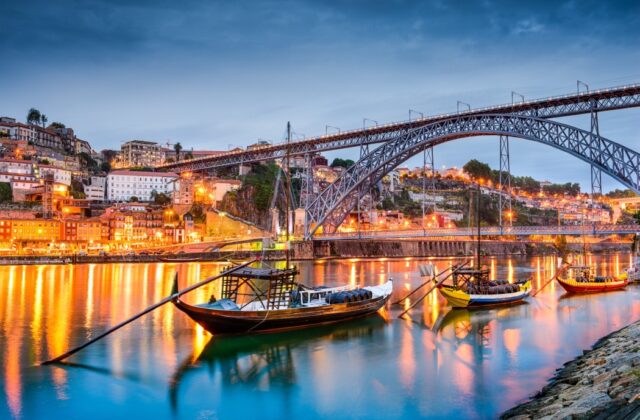
Finish with time along the Douro rather than another distant excursion. Portugal Magik’s private tours in Mercedes-Benz vehicles connect these food stops without guests driving themselves. The lasting reward is a coherent journey, with enough time to enjoy each place between meals.
Plan your own day
Share your dates, group size and interests, and we will suggest a tailored plan with a local driver/guide.