Portugal makes a European trip feel manageable through approachable cities, widely spoken English in visitor settings, and rewarding stops within comfortable driving distances. This ten-day outline links Lisbon, Sintra, central Portugal, Porto, and the Douro without turning every morning into a departure.
1. Lisbon lets you settle in before tackling a busy itinerary
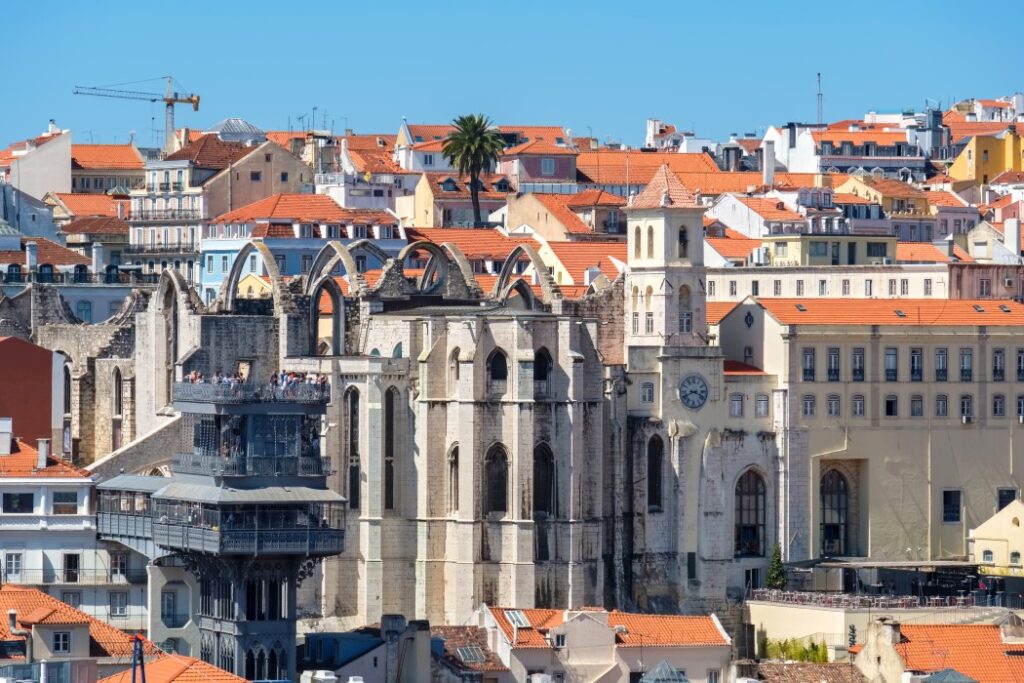
Begin with three nights in Lisbon rather than collecting a rental car after an overnight flight. On day one, explore Praça do Comércio and the lower streets of Baixa, the district rebuilt after the 1755 earthquake. These relatively level streets make an easier introduction than heading straight into Alfama’s steep lanes. Leave the castle and longer museum visits until you have slept.
Portugal is generally a comfortable destination for independent sightseeing, but sensible city precautions still matter. Keep phones and wallets secure on crowded trams, particularly route 28, and do not leave bags unattended at café tables. A relaxed first afternoon helps you learn your surroundings without navigating unfamiliar streets while exhausted.
2. English makes the practical details easier to handle
English is widely spoken in hotels, major attractions, and restaurants serving international visitors in Lisbon, Sintra, and Porto. That makes questions about ingredients, tickets, and meeting points less daunting for Americans who do not speak Portuguese. Smaller towns and neighborhood establishments vary, so learning bom dia and obrigado or obrigada is both useful and courteous.
Use day two for Belém, grouping the Jerónimos Monastery with a riverside walk and a stop at Pastéis de Belém, whose pastry business dates to 1837. Check current opening arrangements and book applicable entry slots ahead. For severe food allergies, carry a written Portuguese explanation rather than relying entirely on conversational English or an online menu.
3. Nearby highlights do not require constant hotel changes
On day three, visit Sintra from your Lisbon base. The journey commonly takes around 40 to 60 minutes by road, although traffic can lengthen it. Choose Pena Palace and one other substantial stop, such as the National Palace of Sintra, rather than trying to collect every palace and garden. Pena’s timed admission and uphill approaches deserve proper planning.
Cascais works well as a separate coastal day if you extend your stay, or as an alternative to a second Sintra monument. Its town center and waterfront offer a gentler afternoon. Short distances are reassuring, but they are not permission to overfill the schedule: Sintra’s winding roads, queues, and walking distances can consume more time than the map suggests.
Browse our travel inspiration for ideas, or tell us what kind of day you have in mind.
4. You can enjoy the journey without driving yourself
For travelers accustomed to driving everywhere at home, Portugal offers a welcome opportunity to hand over navigation, parking, and toll logistics. Portugal Magik provides private driver and guided touring services in Mercedes-Benz vehicles. A local driver/guide can shape the day around the guests, allowing for a slower lunch, an earlier return, or fewer uphill walks.
On day four, leave Lisbon for Coimbra with a stop in Óbidos. Walk through the tiled Porta da Vila gateway and explore the streets inside the medieval walls. The wall walk has exposed stretches and uneven steps, so it is not necessary for a satisfying visit. Continue to Coimbra for two nights, keeping luggage out of sight whenever the vehicle is parked.
5. A slower pace makes historic places more approachable
Give Coimbra day five rather than treating it as a lunch stop between capitals. Its university was founded in Lisbon in 1290 and later settled permanently in Coimbra in 1537. The hilltop university complex, including the Joanina Library, rewards advance booking and a focused morning. Check the ticket conditions for the spaces you particularly want to enter.
Coimbra also illustrates an important distinction: feeling safe does not mean every street is easy underfoot. Steep slopes and polished paving can challenge knees or become slippery in rain. Arrange a convenient drop-off, wear shoes with grip, and save the lower town for the afternoon. Couples, grandparents, and children need not follow identical walking ambitions to enjoy the same day.
6. Good food does not demand a formal evening
Continue to Porto on day six and stay three nights. Start with lunch and a modest walk rather than immediately booking a full afternoon of attractions. Look for caldo verde, a soup commonly made with potatoes, finely shredded greens, and sausage, or bacalhau à Gomes de Sá, Porto’s baked combination of salt cod, potatoes, onions, eggs, and olives.
Portugal can offer appealing value, particularly in neighborhood restaurants and regional wines, although central Porto and Lisbon are not uniformly inexpensive. Compared with prestigious addresses in Paris, Rome, or Barcelona, a simpler Portuguese restaurant may leave more room in the budget for longer stays. Check menus rather than assuming: bread, olives, and other starters brought to the table are generally charged if consumed.
7. Porto rewards familiar routines and flexible afternoons
Spend day seven between São Bento station’s tile panels, the cathedral area, and Ribeira. Porto’s hills make this more demanding than the short distances suggest. Break the route with a seated lunch, and use transport for the return uphill if needed. Busy riverfront streets call for the same attention to belongings as any popular European sightseeing district.
On day eight, cross to Vila Nova de Gaia for a booked port lodge visit, or choose a quieter museum afternoon. Tastings are optional, not the organizing principle for every family. Portugal’s emergency number is 112; keep your accommodation address and insurance details accessible. These ordinary preparations provide more useful reassurance than any promise that a destination is entirely risk-free.
8. The Douro gives your final days room to breathe
Finish with two nights near Peso da Régua or Pinhão, leaving Porto on day nine. Allow roughly two hours to reach Pinhão by road, depending on traffic and route. The Douro’s terraced vineyards form part of a UNESCO-listed cultural landscape shaped by generations of winegrowing. Book one estate visit rather than several, and leave time for lunch and the riverfront.
On day ten, combine a viewpoint with an unhurried meal and wines from the Douro DOC, which includes still wines as well as the region’s separate port tradition. Arrange your departure around the actual transfer time, staying nearer Porto airport if an early flight warrants it. Portugal feels most welcoming when the itinerary leaves space to notice it: fewer rushed departures, clear arrangements, and time to enjoy each place.
Plan your own day
Share your dates, group size and interests, and we will suggest a tailored plan with a local driver/guide.