The meals that become stories back home often belong to a particular town, landscape or afternoon. This eight-day route connects Lisbon, Setubal, Evora, Bairrada, Porto and the Douro through six dishes worth making time for.
1. Bacalhau à Brás: start with Lisbon, not a long drive
Give Lisbon your first two nights, with bacalhau à Brás as an introduction to Portuguese comfort food. Shredded salt cod, finely cut fried potatoes, onions and eggs become a soft, savory mixture, usually finished with parsley and black olives. Despite Portugal’s Atlantic coastline, the cod behind this national staple traditionally comes from colder northern waters, preserved through salting and drying. It is a useful distinction for Americans expecting every Portuguese fish dish to begin with the local morning catch. Order it at lunch in Chiado or Bairro Alto, then leave the afternoon open rather than committing to another substantial meal.
Spend arrival day near your hotel and use day two for Belém, where the Jerónimos Monastery puts Portugal’s maritime history into perspective. English is widely spoken in visitor-facing restaurants, but explain allergies clearly: this dish contains fish and eggs. Lisbon’s hills and polished paving reward comfortable shoes. A local driver/guide can shape the day around the guests, balancing monuments, walking tolerance and a properly unhurried lunch.
2. Choco frito: give Setúbal a seafood day of its own
On day three, head south to Setúbal, roughly an hour from central Lisbon in ordinary traffic. Its signature choco frito is cuttlefish, not squid, cut into pieces, seasoned, coated and fried. It commonly arrives with fries and lemon, making it approachable for families while still tasting unmistakably of this fishing port. Check whether a restaurant serves a full plate or a shareable portion before ordering several seafood dishes. Fried cuttlefish is filling, and the texture is firmer than the calamari many Americans know.
Visit the Mercado do Livramento in the morning when open, both for its fish counters and its tile panels, then sit down to lunch nearby. Add Azeitão for a short village stop or an Arrábida viewpoint if weather and road access allow; do not try to include every beach. Return to Lisbon for a third night rather than repacking for a single coastal stay. As in any busy market, keep belongings secure without letting routine precautions dominate the day.
3. Carne de porco à Alentejana: connect Évora’s monuments with its table
Leave Lisbon on day four for Évora, allowing around ninety minutes to two hours depending on your starting point and traffic. Carne de porco à Alentejana combines marinated pork with clams, typically accompanied by fried potatoes and coriander. The pairing surprises diners accustomed to treating meat and shellfish as separate courses. Although its name points to the Alentejo, its precise origins are debated, so enjoy it without requiring a tidy invention story. Ask about the preparation if you avoid shellfish or have strong feelings about coriander.
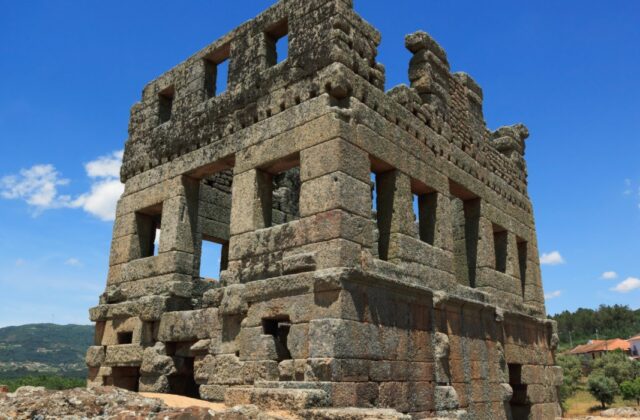
Stay overnight in Évora and divide sightseeing around lunch: the Roman Temple and cathedral in one session, quieter streets and the public garden in another. The historic center is compact, but summer heat makes a midday break sensible, particularly for retirees and families. Try an Alentejo white with the clams or a moderately structured red with the pork. Regional wines can help the dining budget stretch, though comparisons with France, Italy or Spain depend on the restaurant and bottle.
Browse our travel inspiration for ideas, or tell us what kind of day you have in mind.
4. Leitão da Bairrada: make the northbound transfer a proper lunch stop
Day five is the longest transfer of this plan. Travel from Évora toward Mealhada, allowing roughly three and a half hours before breaks, and reserve lunch rather than hoping to arrive whenever hunger strikes. Leitão da Bairrada is suckling pig roasted with a forceful seasoning of garlic, salt and pepper until the skin becomes crisp. Restaurants around Mealhada specialize in it, commonly serving portions with sliced potatoes, salad and orange. The contrast between brittle skin and tender meat explains why this meal deserves more attention than a roadside snack.
Bairrada’s sparkling wine is a particularly good match for the richness. With someone else handling the driving, neither traveler needs to miss the pairing, though a tasting pour may be enough before sightseeing. Continue about half an hour south to Coimbra for the night. That small backtrack buys a relaxed university-city evening instead of another long push to Porto. Book the University of Coimbra’s ticketed interiors ahead if they matter to your next morning.
5. Francesinha: leave room for Porto’s most substantial sandwich
After a Coimbra morning on day six, continue to Porto, usually around ninety minutes by road. Save the francesinha for a late lunch or the following day rather than placing it immediately after another heavy meal. Associated with Porto since the 1950s, this layered sandwich generally contains steak, ham and sausage beneath melted cheese and a hot tomato-and-beer-based sauce. Recipes differ, and an egg or fries may be additions. It is not simply Portugal’s answer to a grilled cheese sandwich, either in composition or portion size.
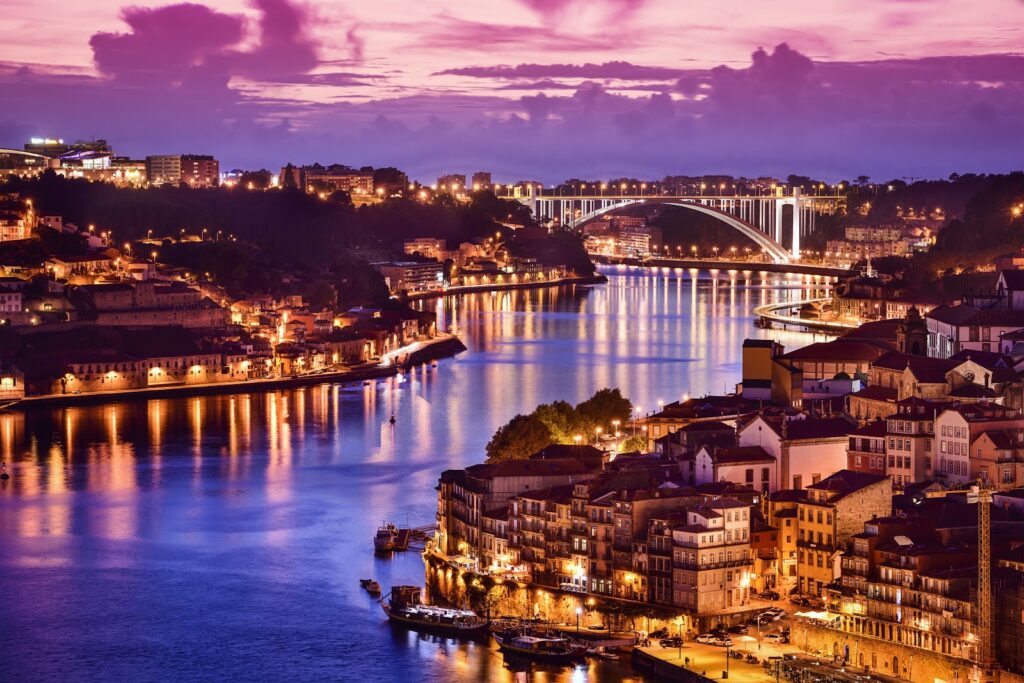
Spend nights six and seven in Porto so the city is more than a meal between transfers. Pair the sandwich with a walking route around São Bento station and the city center, then explore Ribeira separately. Steep streets make modest walking blocks more comfortable than one continuous circuit. Ask whether sharing is possible if you prefer a smaller lunch. Central restaurants often provide English menus, but check sauce ingredients and heat rather than assuming every version is identical.
6. Cabrito assado: finish slowly in the Douro
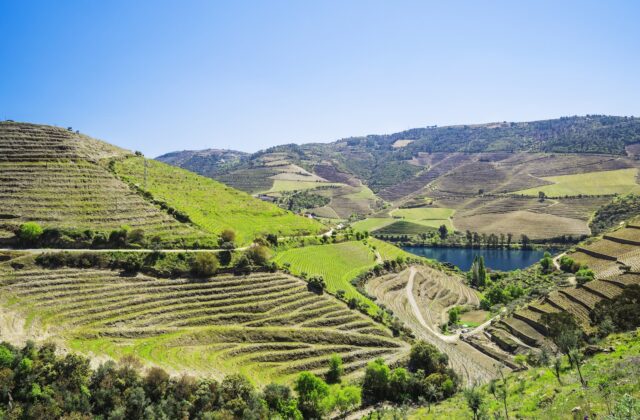
On day eight, travel from Porto toward Peso da Régua or Pinhão for cabrito assado, roast kid goat often served with potatoes and rice. It belongs to a broader northern Portuguese tradition rather than exclusively to the Douro. Availability varies, and some restaurants prepare it only on particular days or by advance order. Confirm before building lunch around it. Allow roughly two hours to Régua, longer for Pinhão and scenic stops, then choose one winery visit instead of stacking appointments around a substantial meal.
Stay in the valley if your schedule permits, or plan the return to Porto with realistic driving time. Portugal Magik’s private tours use Mercedes-Benz vehicles, keeping this sequence manageable without guests navigating city streets and winding vineyard roads themselves. The best souvenir is not six dishes checked off a list, but enough time in each place to remember why the meal belonged there.
Plan your own day
Share your dates, group size and interests, and we will suggest a tailored plan with a local driver/guide.