Plan seven days around custard tarts, Sintra specialties and northern pastry counters, with time for monasteries, neighborhood walks and proper lunches. This south-to-north itinerary makes the sweets part of the journey rather than a checklist.
1. Pasteis de Belem, the custard tart that deserves its own morning
Start day one in Lisbon’s Belém district, where Pastéis de Belém has been making its namesake tarts since 1837, following a recipe associated with the nearby Jerónimos Monastery. The contrast is the attraction: crisp, layered pastry around soft egg custard, with cinnamon available to sprinkle on top. Order a coffee and eat your first tart before committing to a box.
Combine the bakery with a separately planned monastery visit and a riverside walk, rather than crossing Lisbon repeatedly. Check current opening arrangements and tickets for Jerónimos. Belém’s relatively level waterfront is useful for families and retirees, although the distances between sights still justify comfortable shoes.
2. Manteigaria, a second Lisbon tasting without a second excursion
On day two, try Manteigaria at Rua do Loreto, beside Largo do Camões. This is a convenient place to compare a pastel de nata with yesterday’s Belém version, not a reason to declare one universally superior. Watch the pastry work where visible, order at the counter and enjoy the tart while its shell is still crisp.
Build the rest of the morning around Chiado’s shops and cafés, then choose lunch before descending toward the river. English is widely spoken in central visitor areas, making ordering approachable for Americans. Lisbon is generally comfortable to explore with normal city precautions, but keep phones and wallets secure in crowded streets and transport.
3. Piriquita, Sintra’s travesseiros between palace visits
Make day three a Sintra excursion, allowing roughly 40 to 60 minutes from central Lisbon in ordinary traffic, with longer journeys possible. At Piriquita, founded in 1862, order a travesseiro: an elongated puff pastry filled with an almond and egg mixture and finished with sugar. Its name means pillow, an apt description of its shape.
Pair the stop with the National Palace of Sintra and time in the historic center. If Pena Palace is essential, reserve its timed entry and plan the hillside access separately. A local driver/guide can shape the day around the guests, leaving room for a seated break instead of squeezing several demanding palace visits around a hurried pastry.
Browse our travel inspiration for ideas, or tell us what kind of day you have in mind.
4. Queijadas da Sapa, a different Sintra tradition for the same afternoon
Stay in Sintra for a second specialty at Queijadas da Sapa, near the approach to the historic center. Queijadas are small cheese-based tarts, typically combining fresh cheese, sugar, eggs and cinnamon inside a thin pastry shell. They are quite different from both custard tarts and travesseiros, so sharing a few gives couples or families a broader tasting without another full meal.
Buy these after sightseeing rather than carrying delicate pastries through palace grounds. Sintra’s cheese-tart tradition stretches back centuries, but there is no need to turn the afternoon into a history examination. Ask about storage and freshness, and save any extras for that evening rather than assuming they will travel well all week.
5. Alcoa, convent-inspired sweets beside Alcobaca’s monastery
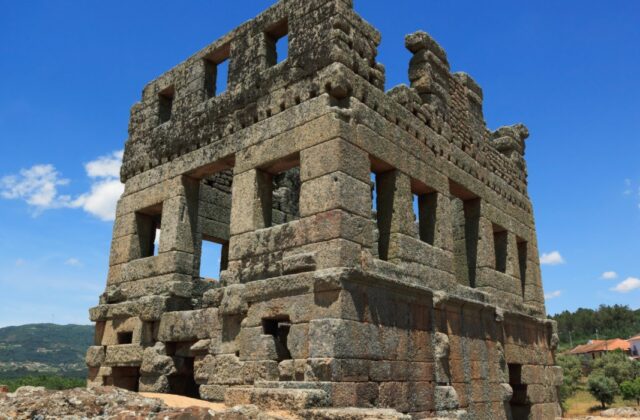
On day four, leave Lisbon for Alcobaça, roughly an hour and a half to two hours by road depending on traffic. Pastelaria Alcoa, established in 1957, stands opposite the monastery and specializes in Portuguese convent confectionery. Its counter offers a useful introduction to the rich combinations of egg yolks, sugar and nuts that recur in this tradition.
Choose two contrasting sweets to share, asking staff which contain almonds or other nuts. Then visit the Monastery of Alcobaça, founded in the twelfth century and home to the celebrated tombs of Pedro and Inês. Have a savory lunch before continuing toward Coimbra for the night. This keeps the journey moving north without treating Alcobaça as merely a roadside sugar stop.
6. Tentugal, delicate pastry on a quieter Coimbra day
Use day five for Coimbra and nearby Tentúgal, about 30 minutes away by road. Pastéis de Tentúgal have protected geographical indication status and a history rooted in the town’s Carmelite convent. Their defining feature is exceptionally thin pastry wrapped around a sweet egg filling. At a specialist such as O Afonso, order one to eat before buying more.
Combine the outing with a manageable Coimbra program, perhaps the university area and a leisurely lunch, rather than adding another distant town. The pastry’s fragile shell rewards immediate eating. Travelers with limited mobility should also account for Coimbra’s steep streets when choosing where to walk and where to arrange a vehicle pickup.
7. Maria da Apresentacao da Cruz, Aveiro’s ovos moles
Travel from Coimbra to Aveiro on day six, usually around an hour by road. Seek out Maria da Apresentação da Cruz for ovos moles de Aveiro, another geographically protected specialty. The sweet egg-yolk and sugar filling often comes enclosed in thin wafer shells shaped like fish, shells or other maritime motifs.
Walk beside the central canals, have lunch, and decide whether Costa Nova’s striped houses merit an afternoon detour before continuing to Porto. That flexibility is more pleasant than fixing every hour in advance. Ask the shop for storage guidance, particularly in warm weather. These are rich sweets, so a small shared selection makes more sense than ordering as though each piece were a breakfast pastry.
8. Confeitaria do Bolhao, a Porto breakfast with neighborhood context
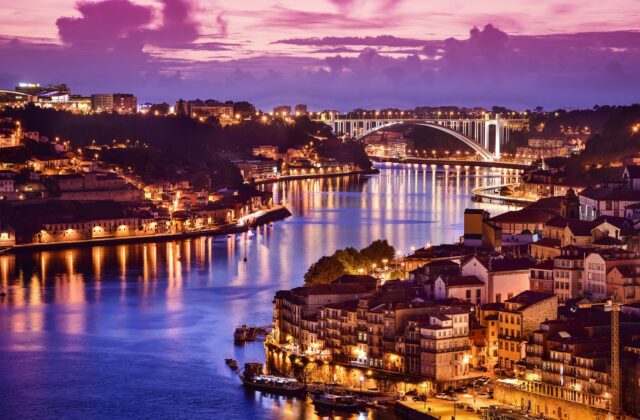
Begin day seven at Confeitaria do Bolhão on Rua Formosa, an established Porto bakery dating to 1896. Instead of hunting only for another custard tart, inspect the day’s counter for pão de ló, Portugal’s light egg-based sponge cake, or other traditional cakes. Availability varies, so let the actual display guide your order.
The restored Mercado do Bolhão is directly across the street, making this an easy breakfast-and-market pairing. Continue toward Rua de Santa Catarina rather than scheduling a cross-city transfer. A pastry and coffee can be an accessible pleasure within a higher-budget European trip, but compare actual menus rather than assuming everything in Portugal costs less than in France, Italy or Spain.
9. Leitaria da Quinta do Paco, chocolate eclairs before the journey ends
Finish at Leitaria da Quinta do Paço near Praça de Guilherme Gomes Fernandes. Founded in 1920 as a dairy business, it is known for éclairs filled with whipped cream, with chocolate among the classic toppings. The French pastry format offers a familiar reference for Americans comparing European food destinations, while the filling distinguishes this Porto favorite.
Pair the stop with nearby Clérigos, allowing extra time if you intend to climb the tower. Portugal Magik’s private tours in Mercedes-Benz vehicles make it possible to connect these towns without driving yourself or managing parking. Keep the final lesson simple: choose a few memorable counters, leave room for good lunches and regional wines, and let seven days taste different.
Plan your own day
Share your dates, group size and interests, and we will suggest a tailored plan with a local driver/guide.