Experience the living traditions of Portugal by synchronizing your travel itinerary with its rich calendar of regional festivals, from spring flower carpets to autumn harvests.
The Rhythm of the Portuguese Calendar
Every month in Portugal brings a shift in weather, agriculture, and community life. While medieval castles and coastal viewpoints remain constant throughout the year, the country reveals its deepest personality when a town gathers to celebrate its heritage. Rather than treating local festivals as accidental encounters, thoughtful travelers build multi-day routes around them. Aligning your itinerary with seasonal gatherings allows you to witness centuries of religious devotion, agricultural rites, and folklore, all while experiencing the standard cultural highlights along the way.
A successful festival-oriented journey requires strategic logistics. Street closures, altered museum hours, and shifting regional crowds can complicate travel if you try to manage tight parking and unfamiliar roads yourself. Traveling between historic towns in a comfortable Mercedes-Benz vehicle removes these friction points. Having a local driver and guide allows you to step directly into the festivities, knowing that your route, vehicle transfers, and timing remain smooth and adaptable.
Spring Devotions: Holy Week Across Minho and Central Portugal
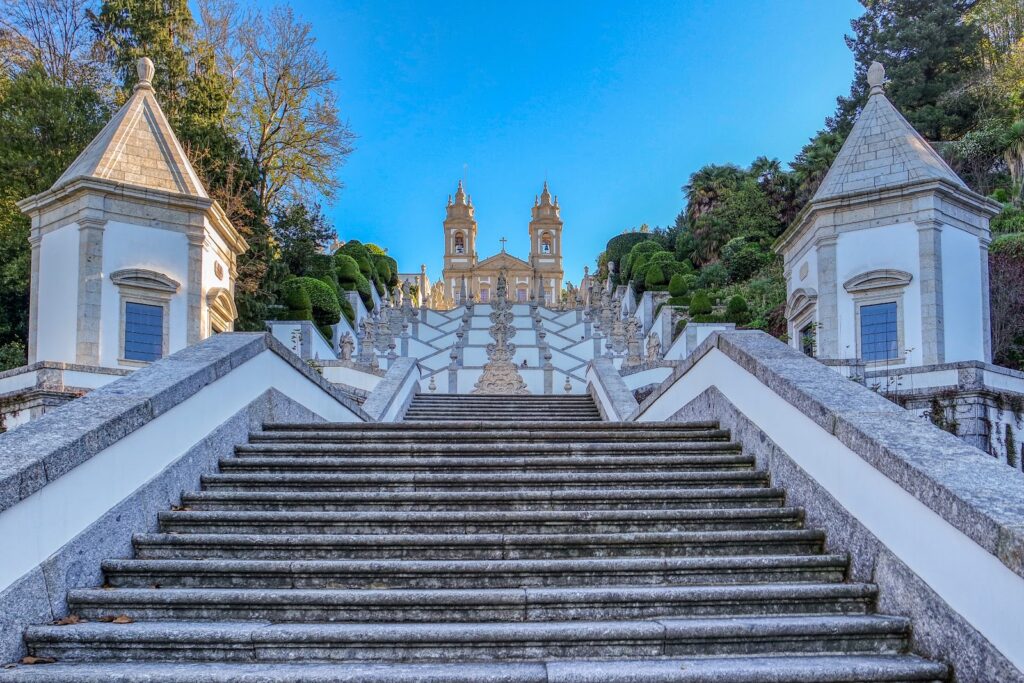
Spring begins with dramatic religious observances across the north and center. The city of Braga hosts the most solemn Semana Santa in the country. During Holy Week, the ancient granite streets fill with silent, barefoot penitents carrying torches, while dark banners drape across Baroque balconies. Spending two days in Braga gives you ample time to walk through the oldest cathedral in Portugal, explore the hilltop sanctuary of Bom Jesus do Monte, and attend the evening processions.
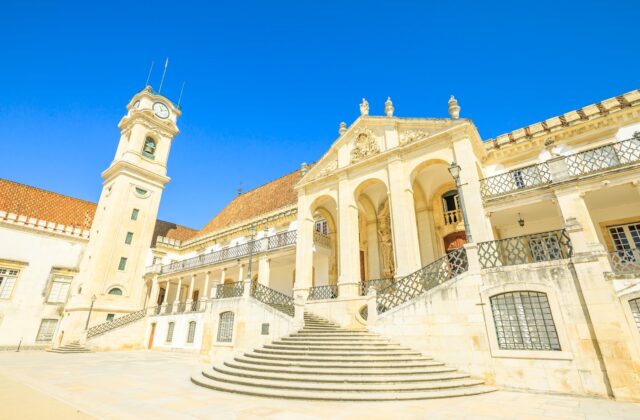
From Braga, you can easily shape a four-day spring circuit through the Minho and down toward the Mondego River valley. After Braga, continue southeast toward Guimaraes to see where Portuguese national identity took root, then transition south to Coimbra. In this university city, spring brings the Queima das Fitas celebration in May, marking the end of the academic year with traditional serenades and black-caped scholars filling the streets. Along this route, regional dining highlights seasonal dishes such as roast spring kid, known as cabrito assado, accompanied by crisp local Vinho Verde.
Midsummer Evenings: Connecting Saint Anthony and Saint John
June is dominated by the Festas dos Santos Populares, when entire neighborhoods transform into outdoor community kitchens scented with grilled sardines, garlic, and fresh basil plants called manjericos. The celebrations begin in Lisbon for Santo Antonio on the night of June 12. Alfama, Mouraria, and Bica come alive with brass marching bands, colorful streamers, and folk music. Spending three days in Lisbon during this period allows you to pair daytime visits to the Jeronimos Monastery in Belem and the palace estates of Sintra with festive, illuminated evening neighborhood walks.
A classic summer transition takes you north from Lisbon to Porto in mid-June, stopping in Coimbra and the Aveiro lagoon along the way. Arrive in Porto ahead of June 23, the eve of Sao Joao. This is arguably the most energetic night in northern Portugal. Crowds fill the Ribeira riverfront, carrying plastic toy hammers to playfully tap passersby, while paper hot-air lanterns drift across the Douro River toward the Port wine lodges of Vila Nova de Gaia. Your local driver and guide can shape the day around the guests, ensuring you explore the historic center before the major street closures take effect, keeping you well positioned for scenic viewpoints over the Dom Luis I Bridge.
Browse our travel inspiration for ideas, or tell us what kind of day you have in mind.
Late Summer Pageantry: Northern Romarias and Maritime Traditions
In late August, religious folk festivals known as romarias reach their peak in northern coastal communities. The premier event is the Romaria de Nossa Senhora da Agonia in Viana do Castelo, held over several days along the mouth of the Lima River. The streets are paved with carpets of colored salt and flower petals, while women parade in traditional Minho costumes adorned with intricate heirloom gold filigree jewelry. These processions reflect centuries of maritime devotion by families praying for the safe return of local fishermen.
Viana do Castelo anchors a fantastic five-day northern coastal itinerary. You can pair the festivities in Viana with quiet day trips up the Lima River valley to Ponte de Lima, the oldest chartered town in Portugal, famous for its Roman bridge and hearty platters of sarrabulho. From there, your route can head south into the coastal fishing town of Matosinhos near Porto for fresh sea bass grilled over charcoal, followed by historic touring in the Douro borderlands. Combining these distinct northern landscapes showcases how deeply geography and sea life shape regional festivities.
Autumn Harvests and Saint Martin Fires: Douro to the Alentejo
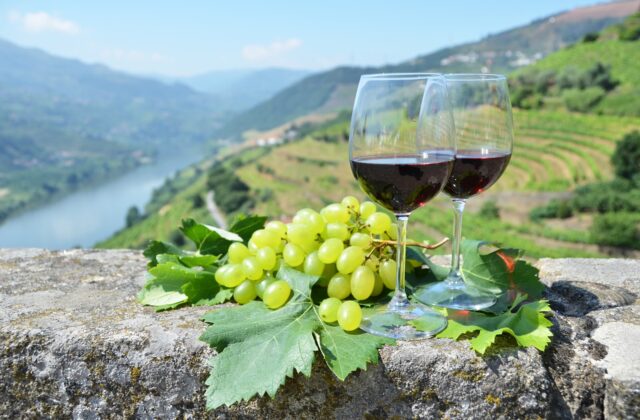
As summer heat softens into autumn, Portugal turns its attention to the land. September brings the vendima, the grape harvest, across the terraced schist hillsides of the Douro Valley. Villages such as Pinhao and Peso da Regua hum with activity as pickers harvest bunches from steep river terraces. A four-day autumn itinerary based in the Douro offers peaceful drives along the scenic Estrada Nacional 222, visits to historic quintas, and quiet river vistas framed by golden vineyard foliage.
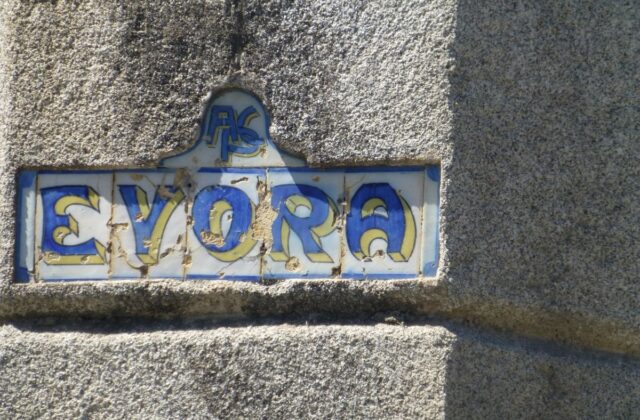
By November, seasonal celebrations shift toward Saint Martin Day, or Sao Martinho. Throughout rural Portugal, communities celebrate the Magusto by lighting open fires in village squares, roasting sweet chestnuts, and tasting the young wine, or agua-pe. You can spend several autumn days winding from the Douro down through the broad plains of the Alentejo, basing yourself in Evora. The historic marble towns of Estremoz and Vila Vicosa, along with the hilltop village of Monsaraz, offer an unhurried look at autumn traditions centered on wild game, roasted chestnuts, and robust red wines from clay talhas.
Winter Feasts: Traditional Fires in the Borderlands
Winter provides a distinct festival atmosphere far removed from summer crowds. In central and northern inland towns, December and January are marked by ancient solstice traditions, such as the lighting of communal bonfires known as madeiros in the main squares outside medieval parish churches. Towns like Castelo Branco, Belmonte, and Braganca maintain these ancient gatherings, where neighbors share warm sweet wine, filhoses pastries dusted with cinnamon and sugar, and hearty cured meats.
A winter heritage journey through eastern Portugal combines well with visits to granite border fortresses like Marvao, Castelo de Vide, and Almeida. Traveling through the crisp winter landscapes allows for deep historical context and serene sightseeing among medieval castles and Roman ruins. Returning each evening to a comfortable Mercedes-Benz car makes cold-weather exploration effortless. With your private driver and guide managing the timing between mountain settlements, you can fully enjoy authentic regional meals like cozido a portuguesa and slow-roasted pork before retiring to quiet historic lodgings.
Plan your own day
Share your dates, group size and interests, and we will suggest a tailored plan with a local driver/guide.