From Atlantic-cooled coastal plots to sun-baked schist terraces, explore seven distinct Portuguese wines and how to seamlessly link their regions across a relaxed vacation.
1. Crisp Vinho Verde from Moncao and Melgaco
Many American visitors know Vinho Verde only as a light, fizzy summer wine found on supermarket shelves back home. Traveling north toward the border with Galicia reveals a completely different reality. In the sub-region of Moncao and Melgaco, the Alvarinho grape produces concentrated, dry whites with vibrant minerality, notes of stone fruit, and remarkable aging potential. Paired with fresh Atlantic lamprey or grilled sea bass, it challenges any top white from Burgundy or the Loire Valley while offering exceptional value.
A day in the Minho region combines historic towns like Ponte de Lima with quiet quinta estates tucked into green hillsides. Having a dedicated vehicle eliminates the stress of navigating narrow country roads. A local driver can shape the day around the guests, timing private estate tastings and riverside lunches to avoid crowds and keep the morning entirely unhurried.
2. Rich Touriga Nacional Blends in the Douro Valley
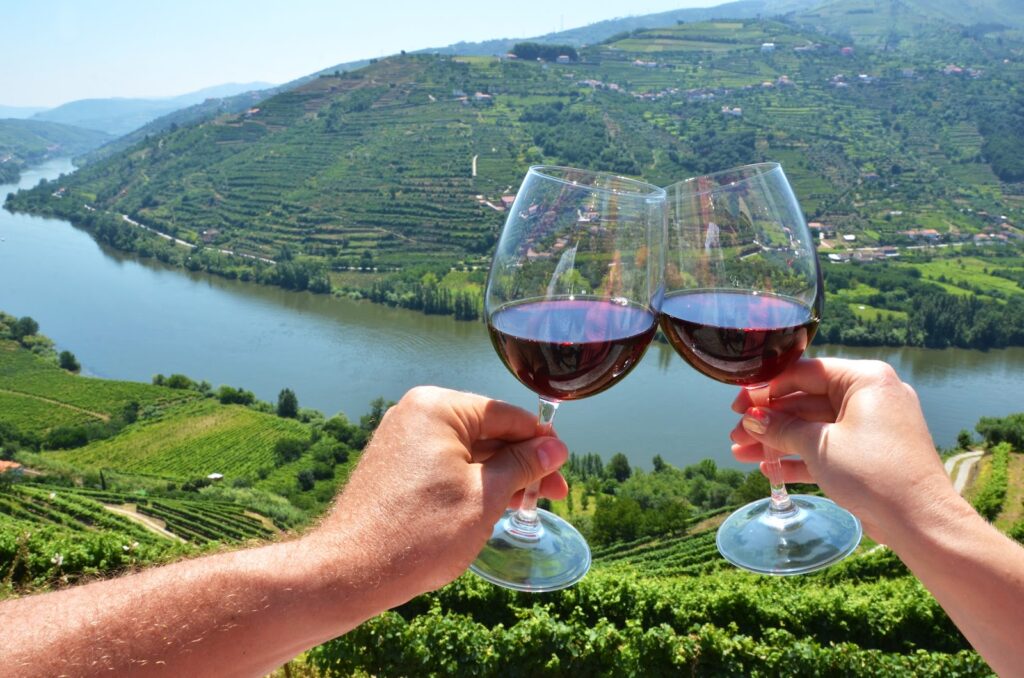
The Douro Valley is the oldest demarcated wine region in the world, celebrated for dramatic terraces carved into sheer slate cliffs along the river. While famous for dessert Port, the region has spent recent decades perfecting bold, unfortified red table wines. Touriga Nacional stands as the flagship grape here, delivering intense aromas of dark berry, wild violet, and wet slate. It drinks with the stature of a Napa Valley Cabernet Sauvignon or top-tier Bordeaux, yet retains a distinctive rustic elegance.
Planning two or three nights based in Pinhao or near Peso da Regua allows travelers to tour historic river estates, such as Quinta do Bomfim or Quinta do Vallado. Distances between valleys can look deceivingly short on a map, but winding mountain curves take time. Leaving the steering to an expert allows couples and families to simply soak in the dramatic views over the river while stopping at scenic lookouts along the way.
3. Elegant Encruzado from the High Granite Slopes of the Dao
Nestled in the interior south of the Douro, the Dao region sits sheltered by mountain ranges that shield its vineyards from harsh Atlantic storms and interior continental heat. The star white grape here is Encruzado, widely considered Portugal’s most sophisticated indigenous white. Crisp, textured, and subtly herbal, it acquires hazelnut complexity when lightly aged in oak. It pairs seamlessly with Portugal’s beloved Bacalhau dishes and cured mountain cheeses like Serra da Estrela.
The Dao works brilliantly as a central stop when connecting northern river landscapes to the central heritage hubs. Americans accustomed to crowded California tasting rooms appreciate the unpretentious hospitality at family-run quintas around Viseu and Nelas, where estate owners often pour their own bottlings and explain centuries of regional heritage.
Browse our travel inspiration for ideas, or tell us what kind of day you have in mind.
4. Sandy Terroir Ramisco from Coastal Colares
Just outside Lisbon, near the windswept headlands of Cabo da Roca and the town of Sintra, lies Colares. This tiny DOC appellation produces one of the rarest wines on earth. The vines grow directly in deep sand dunes, which successfully prevented the nineteenth-century phylloxera blight from destroying their root systems. The ungrafted Ramisco vines produce reds that are deeply savory, high in acidity, and rich in maritime saltiness, showing dried fig and tobacco notes after patient cellar aging.
Visiting the regional cooperative in Colares fits naturally into a day trip exploring Sintra palaces and the rugged Atlantic coastline. Travelers can enjoy a relaxed oceanfront lunch of grilled turbot in Azenhas do Mar followed by a tasting, without worrying about tight train connections or parking on narrow cliffside lanes.
5. Robust Alicante Bouschet from the Plains of the Alentejo
South of the Tagus River, the landscape rolls into golden wheatfields and cork oak groves under wide open skies. The Alentejo is the sun-drenched heartland of Portuguese winemaking, beloved by Americans for its generosity and warmth. While French in origin, the red-fleshed Alicante Bouschet grape has found its true home in the soils around Evora, Reguengos, and Estremoz. The wines are full-bodied, deep purple, and packed with ripe blackberry, cocoa, and spice.
A multi-day loop through the Alentejo combines tastings at grand estates such as Herdade do Esporao with quiet strolls through whitewashed marble villages. The relaxed tempo of southern Portugal appeals especially to retirees seeking warm weather, wide horizons, and excellent dining at half the cost of neighboring European capitals.
6. Golden Moscatel de Setubal from the Arrabida Peninsula
Directly across the river from Lisbon lies the Setubal Peninsula, protected by the dramatic limestone ridges of the Arrabida Natural Park. Here, the historic grape Moscatel de Setubal produces complex, amber-hued fortified wines that have graced royal courts since the Renaissance. Aged in oak barrels, superior reserves develop layers of candied orange peel, dried apricot, honey, and roasted almonds, balancing richness with crisp coastal acidity.
This region makes an effortless addition to any Lisbon itinerary, requiring less than an hour of driving. Guests can tour the centuries-old cellars of Azeitao, sample creamy local sheep cheese, and watch traditional tile workshops before settling into an afternoon tasting on an estate terrace overlooking the blue waters of the Sado Estuary.
7. Salty, Mineral Arinto from Historic Bucelas
Just fifteen miles north of Lisbon sits Bucelas, a postage-stamp appellation whose crisp white wines captured the affection of British officers during the Peninsular Wars. The grape is Arinto, an indigenous variety known for bright, enduring acidity and notes of fresh green apple and lemon zest. Because of its lively structure, it serves as the foundation for Portugal’s finest sparkling wines and cellar-worthy still whites that clean the palate after rich regional stews.
Bucelas is an ideal morning visit when traveling north from Lisbon toward Obidos or Coimbra. With comfortable Mercedes-Benz transportation, you avoid the complications of airport rentals and unfamiliar toll transponders. Your local driver can shape the day around the guests, pausing for cellar doors that fit your taste before reaching your next historic hotel in the center of the country.
8. Linking the Regions into an Unhurried Journey
What makes Portugal so rewarding for American travelers is the ease with which these distinct wine zones connect. In the span of a single week, you can travel from the misty Atlantic slopes of the Minho through the carved river valleys of the Douro and down to the sunlit cork forests of the Alentejo, all without spending entire days in transit. With widespread English, exceptionally friendly hosts, and extraordinary safety, traveling here feels entirely seamless.
Exploring these regions with a private Mercedes-Benz vehicle and local driver-guide removes all logistical friction. You gain the freedom to enjoy authentic tastings, stop at village markets on a whim, and experience the real culture behind each bottle at your own pace.
Plan your own day
Share your dates, group size and interests, and we will suggest a tailored plan with a local driver/guide.