
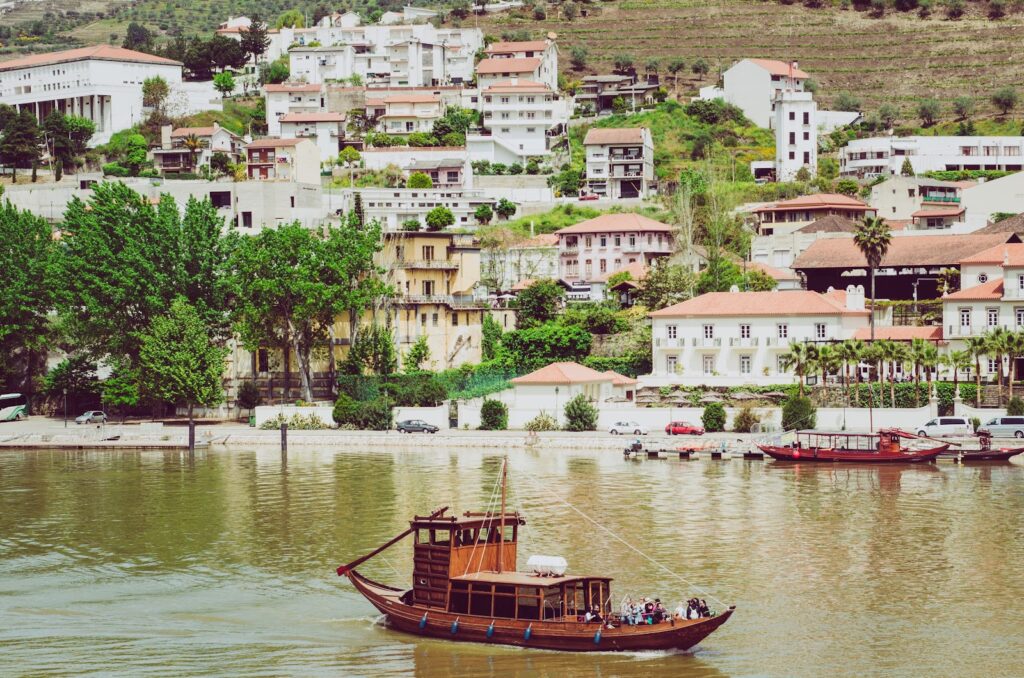
Discover how to plan a balanced four day journey across the Douro Valley, connecting historic riverside towns, dramatic mountain lookouts, and traditional estate visits.
Understanding the Three Subregions Before You Map Your Days
The Douro demarcated wine region spans nearly one hundred miles of rugged river canyon, officially established back in 1756 by the Marquis of Pombal. To build an efficient multi-day itinerary, it helps to understand its three distinct geographic zones. The westernmost section is the Baixo Corgo, centered near Peso da Regua, where rainfall is higher and the hills are lush green. Further east lies the Cima Corgo, focused around Pinhao, where world-famous Vintage Ports and complex table wines originate among dramatic slate terraces. Beyond that, reaching toward the Spanish border, the Douro Superior is wider, hotter, and home to vast modern plantings alongside ancient rock art.
Attempting to cover all three areas in a single day leads to hours spent on tight mountain hairpins with little time to taste wine or enjoy regional gastronomy. By spreading your journey over four relaxed days, you can match your lodging to regional clusters and avoid backtracking on winding riverside roads.
Day One: Historic Lamego and the Gateway of the Baixo Corgo
Begin your route by traveling inland from Porto or Central Portugal toward the southern slope of the river valley. Make your anchor stop the ancient episcopal city of Lamego, known for its rich Baroque architecture and distinct culinary specialties. The defining landmark here is the Sanctuary of Our Lady of Remedies, where a grand staircase of 686 steps zigzags down through forested parkland, lined with monumental fountains, statues, and blue-and-white tile panels.
After walking the historic center and sampling local bôla de Lamego, a savory yeast bread baked with cured ham, continue downhill toward Peso da Regua on the northern bank of the river. Regua served for centuries as the primary shipping hub where flat-bottomed rabelo boats were loaded with barrels destined for the wine lodges of Vila Nova de Gaia. Visit the Museu do Douro along the riverfront to gain historic perspective on the manual labor, schist geology, and strict vintage classifications that shaped this UNESCO World Heritage landscape.
Day Two: Traversing the N222 to Pinhao and Heart of the Terraces
Set out along the scenic Estrada Nacional 222, which follows the river curves between Regua and Pinhao. This section of road regularly earns praise as one of the most picturesque drives in Europe, hugging the water while stone-walled terraces climb straight up into the clouds. Plan your morning stops among historic quintas producing fresh white Douro blends made from Rabigato and Viosinho grapes, as well as classic Touriga Nacional reds.
Arrive in Pinhao by midday. This quiet town sits at the confluence of the Douro and Pinhao rivers. Take time to walk along the platform of the historic Pinhao railway station, decorated with twenty-four hand-painted azulejo panels depicting harvest workers treading grapes in granite lagares and guiding wooden boats downstream. A local driver and guide can shape the day around the guests, timing your estate appointments so you avoid mid-afternoon heat and step into cooler cellars during the warmest hours.
Browse our travel inspiration for ideas, or tell us what kind of day you have in mind.
Day Three: Mountain Ridges, High Viewpoints and Upper Valley Heights
Leave the river level behind for a morning dedicated to dramatic vantage points. Climb the narrow roads leading up to the Miradouro de Sao Salvador do Mundo, perched on a granite promontory near Sao Joao da Pesqueira. The viewpoint overlooks the historic Cachao da Valeira, a steep gorge where treacherous river boulders once blocked boat traffic until they were cleared with explosives in the late eighteenth century. The panorama sweeps across vast stretches of river framed by terraced slopes that seem impossible to harvest by hand.
From the lookout, travel down into the village of Provesende, an intact wine settlement showcasing granite manors and seventeenth-century pillories. For lunch, seek out traditional regional cooking, such as slow-roasted cabrito assado (tender kid goat prepared in clay roasters with rice and potatoes) or feijoada a transmontana, a robust pork and bean stew. Having an experienced driver handling the Mercedes-Benz sedan or minivan allows everyone to enjoy regional red wines at lunch without stress over tight turns on steep cliffs.
Day Four: The Quiet Vastness of the Douro Superior
For the final leg of your journey, push further east toward Vila Nova de Foz Coa and the borders of the Douro Superior. Here the landscape shifts dramatically. The canyon opens into broad, golden hillsides where olive trees, almond orchards, and expansive modern vineyards replace the narrow slate staircases of the lower valley. This region is famous for producing full-bodied, fruit-driven table wines and exceptional extra virgin olive oils.
Dedicate your afternoon to the Parque Arqueologico do Vale do Coa, an open-air museum preserving thousands of Paleolithic animal carvings etched into schist stone along the riverbanks between 22,000 and 10,000 BC. Visiting the contemporary Coa Museum building gives you expansive views over the meeting point of the Coa and Douro rivers. It provides a striking contrast between prehistoric human settlements and centuries of intensive wine culture.
A knowledgeable driver guide can shape the day around the guests on this return trip, whether that means making an impromptu stop at an artisanal olive oil press or pausing along a scenic overlook as the late afternoon light warms the slate mountainsides.
Plan your own day
Share your dates, group size and interests, and we will suggest a tailored plan with a local driver/guide.