Give Nazaré several days rather than a quick viewpoint stop. This four-day route from Lisbon connects its fishing traditions with Peniche, São Martinho do Porto and Alcobaça, leaving time for markets, seafood lunches and the changing Atlantic.
Plan four days with three nights in Nazaré
Nazaré makes more sense when you stay long enough to see both the beach town and the working coast around it. Its fishing heritage lives in dried fish, family memories, local dress and dishes shaped by the catch. The giant waves are only one chapter. Plan four days from Lisbon, stopping in Peniche on the outward journey and returning through Alcobaça after three nights in Nazaré.
Choose accommodation near Praia da Nazaré if you want straightforward evening walks and restaurants close by. Sítio, the district above the cliffs, offers a different perspective but requires more thought about getting between upper and lower town. Portugal Magik can connect these stops in Mercedes-Benz vehicles, while a local driver/guide can shape the day around the guests, adjusting walking time, lunch stops and the balance between coastal scenery and cultural visits.
Day one: Lisbon to Peniche, then north to Nazaré
Allow roughly 90 minutes from Lisbon to Peniche, depending on your starting point and traffic. Begin around the harbour, observing working activity from public areas without entering operational quays. Peniche remains an important fishing port, making it a useful introduction before Nazaré. Continue to Cabo Carvoeiro for the limestone coastline and views towards the Berlengas when visibility allows. Wind can be strong here even when Lisbon feels warm.
For lunch, look for caldeirada, a fish stew generally built around potatoes, onions, tomatoes and a mixture of fish. Recipes and availability differ, so ask what is being prepared that day. Grilled sardines are especially associated with summer, rather than a dependable year-round order. Keep the afternoon simple: the onward drive to Nazaré usually takes about an hour, leaving time to check in and walk the seafront before dinner.
If twentieth-century history interests you, substitute a visit to the National Museum of Resistance and Freedom inside Peniche Fortress for the headland stop. The fortress served as a political prison under the Estado Novo dictatorship. Check opening arrangements beforehand rather than trying to fit every attraction into the first day.
Day two morning: Read the fishing town at beach level
Start around Nazaré’s municipal market, checking its current opening days before you travel. Fish counters, produce stalls and ordinary shopping routines offer context that a scenic overlook cannot. This is a working market, not a staged demonstration. Ask before photographing vendors, and avoid assuming that every fish on display was landed locally that morning.
Continue towards the traditional fish-drying area on the sand, often referred to as the estendal. Fish laid out on racks illustrate a preservation practice rooted in the need to keep food beyond the day’s catch. What you see depends on weather and ongoing activity. The nearby display of traditional boats helps explain an earlier shoreline where crews launched and hauled vessels directly across the beach, before the modern harbour changed daily operations.
You may see women wearing the layered skirts strongly associated with Nazaré. The familiar seven-skirt tradition carries several popular explanations, so treat a single romantic account cautiously. More important is the role women played in selling, processing and managing the catch. For lunch, consider grilled carapau, or horse mackerel, and ask whether dried fish is available as a small tasting rather than expecting it on every menu.
Browse our travel inspiration for ideas, or tell us what kind of day you have in mind.
Day two afternoon: Sítio, local memory and the Atlantic
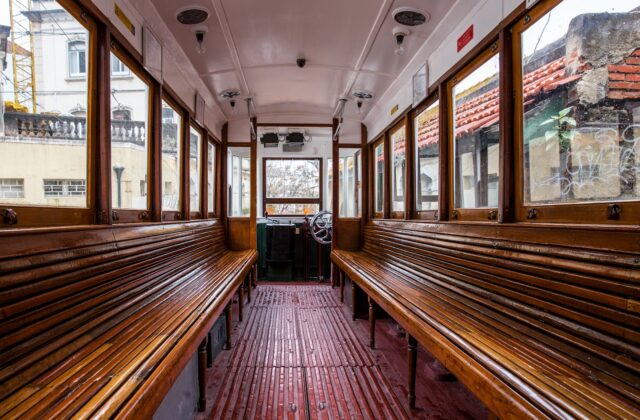
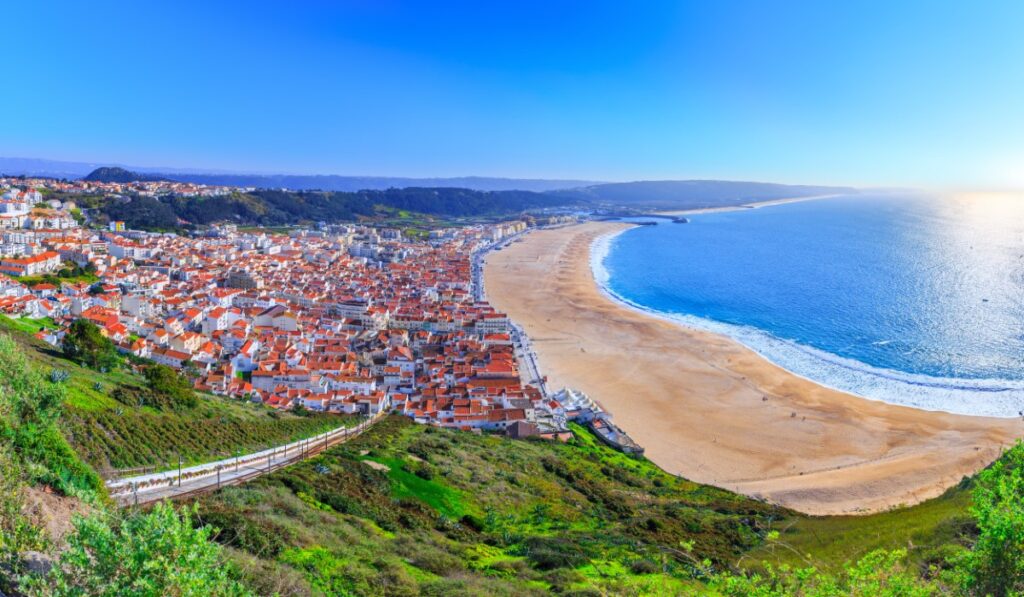
After lunch, head to Sítio by road or use the funicular if it is operating. From the Miradouro do Suberco, the broad curve of the town beach makes the geography immediately clear. Visit the Sanctuary of Nossa Senhora da Nazaré and the nearby Ermida da Memória. The chapel is associated with the legend of Dom Fuas Roupinho, said to have been saved from riding over the cliff in 1182.
The Museu Dr. Joaquim Manso adds useful context through collections connected with local life, dress and maritime traditions. Check opening hours and any access restrictions before building the afternoon around it. Then, if conditions suit, continue towards Forte de São Miguel Arcanjo, overlooking Praia do Norte. The submarine Nazaré Canyon helps produce the exceptional waves for which this stretch of coast is known.
Large swells are more commonly associated with autumn and winter, but spectacular surf is never assured on a particular day. Follow closures and warning signs, stay away from exposed edges, and never treat Praia do Norte as an ordinary swimming stop. A calm afternoon still offers a valuable contrast between the sheltered-looking town frontage and the open Atlantic beyond the headland.
Day three: Slow the pace at São Martinho do Porto
After a full day in Nazaré, make the short drive south to São Martinho do Porto. Its shell-shaped bay provides a striking contrast with Praia do Norte. Walk the waterfront in the morning, then continue towards Salir do Porto for views across the bay and its dune landscape. Conditions are generally more sheltered inside the bay, but swimming decisions should still follow local flags and lifeguard advice.
This is the day for a longer lunch rather than another checklist. Arroz de marisco, a brothy seafood rice, suits an unhurried table; confirm ingredients and whether the portion is intended for two. Return to Nazaré for a free afternoon, or linger beside the bay. Keeping this day light also gives the itinerary room to absorb poor weather earlier in the trip.
Day four: Alcobaça before returning to Lisbon
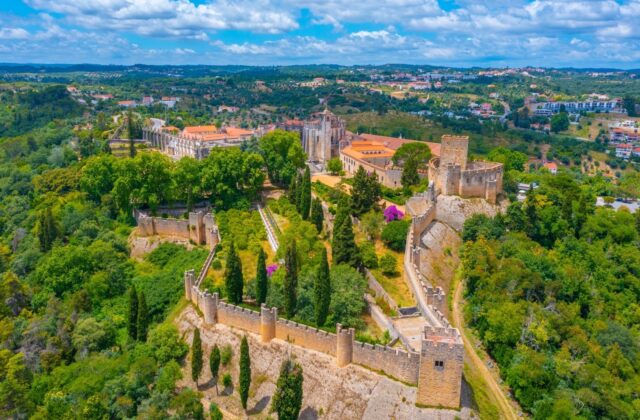
Drive inland to Alcobaça, roughly 20 minutes from Nazaré, for a final change of setting. Founded in the twelfth century, its Cistercian monastery is a UNESCO World Heritage Site. The church contains the elaborate fourteenth-century tombs of Pedro I and Inês de Castro. Allow time for the monastic rooms as well as the church, checking current ticketing and access arrangements.
A pastry stop introduces the region’s conventual sweet tradition, with egg yolks and sugar central to many recipes. Then return to Lisbon, allowing around 90 minutes to two hours depending on traffic and destination. For an airport departure, add a sensible buffer rather than squeezing in another town. The route works because each stop contributes something different: Peniche’s active port, Nazaré’s beach-based heritage, São Martinho’s sheltered bay and Alcobaça’s inland history.
Plan your own day
Share your dates, group size and interests, and we will suggest a tailored plan with a local driver/guide.