
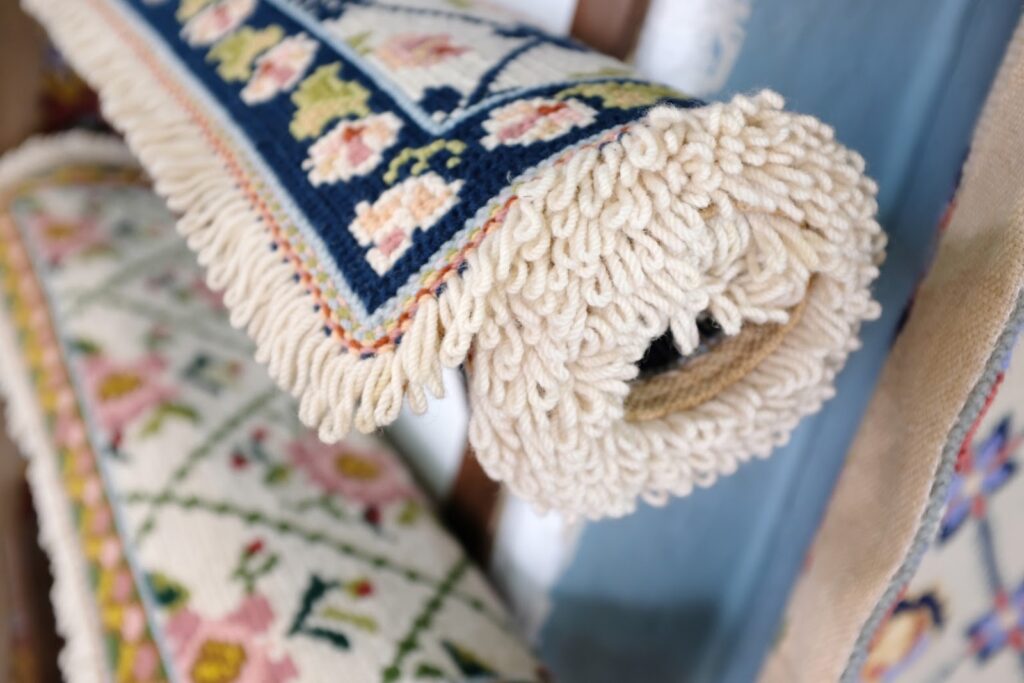
Build five days around the Alentejo’s cork landscapes, embroidered carpets, clay figures and pottery villages. This route links working traditions with manageable drives, regional meals and time to meet the makers.
Plan five days with Évora as your base
The Alentejo’s crafts make more sense when you see the countryside that supports them. Cork oaks shade grazing animals, wool becomes embroidered carpets, and local clay supplies pottery workshops. Allow five days from Lisbon, with four nights in Évora, to connect these traditions without turning every afternoon into a race. The route starts around Montemor-o-Novo, continues through Arraiolos, Estremoz and Redondo, then finishes with São Pedro do Corval and Monsaraz.
Spring and autumn usually offer more comfortable conditions for village walks, although rain remains possible. Summer requires earlier starts and indoor visits during the hottest hours. Portugal Magik can link these stops in Mercedes-Benz vehicles, while a local driver/guide can shape the day around the guests, balancing workshop appointments, walking time and longer lunches. Confirm visits with makers and rural properties before travelling, since a workshop may be open for sales without offering demonstrations.
Day 1: Enter cork country through Montemor-o-Novo
Leave Lisbon after breakfast and allow roughly an hour and a half to reach Montemor-o-Novo, depending on traffic and your starting point. Arrange a visit to a cork-growing estate in the surrounding countryside before continuing to Évora. Look for a guided introduction to the montado, the managed landscape of cork and holm oaks, pasture and agricultural activity. Much of this land is privately owned, so an open gate is not an invitation to explore.
Cork is the outer bark of Quercus suber, harvested without felling the tree. In Portugal, a cork oak generally reaches its first harvest at around 25 years, with at least nine years between subsequent harvests. Bark stripping is skilled seasonal work, usually undertaken in warmer months when conditions allow. Do not build the day around seeing it happen unless the estate has confirmed an opportunity; a woodland visit is worthwhile without a harvest demonstration.
Return to Montemor-o-Novo for lunch, perhaps migas with pork or a seasonal vegetable dish, then walk within the ruined castle enclosure if temperatures permit. Continue about half an hour to Évora. Keep the first evening simple: check in, stroll around Praça do Giraldo and try a bowl of açorda alentejana, the garlic, coriander and bread preparation often served with an egg.
Day 2: Follow the thread to Arraiolos
Drive approximately 25 minutes north of Évora to Arraiolos. Start at the Centro Interpretativo do Tapete de Arraiolos, housed in a former hospital building, to understand the town’s carpet tradition before visiting shops. These carpets are embroidered with wool onto a canvas ground rather than woven on a carpet loom. Their documented history extends back centuries, with floral compositions and other decorative patterns changing over time.
Leave the late morning for a carpet shop or workshop. Ask whether stitching can be observed that day, and compare the density of the embroidery, materials and finishing rather than choosing by colour alone. For a substantial purchase, discuss dimensions, care and shipping directly with the seller. The castle above the town makes a useful walking break, with broad views that connect the craft visit to the surrounding agricultural landscape.
Have lunch in Arraiolos before returning to Évora for an unhurried afternoon. Visit the Roman temple and nearby cathedral, checking admission hours first. This is also a sensible day for indoor sightseeing if the weather turns. At dinner, look for queijo de Évora, a protected sheep’s milk cheese, followed by sericaia, the region’s cinnamon-topped egg dessert.
Browse our travel inspiration for ideas, or tell us what kind of day you have in mind.
Day 3: Pair Estremoz clay figures with Redondo pottery
Set off for Estremoz, roughly 45 minutes northeast of Évora. The town is known for marble, but its small painted clay figures deserve the morning. The craftsmanship of Estremoz clay figures was inscribed on UNESCO’s Representative List of the Intangible Cultural Heritage of Humanity in 2017. The tradition includes religious subjects and figures depicting everyday occupations, with knowledge passed between generations of makers.
Begin at the Museu Municipal Professor Joaquim Vermelho, then seek out an artisan’s workshop by prior arrangement. Ask how the figures are modelled, fired and painted, and which subjects belong to longstanding local traditions. If your visit falls on Saturday, the market in Rossio Marquês de Pombal can add another stop. Allow extra time rather than squeezing the market between fixed appointments.
After lunch, continue south to Redondo, around 35 minutes away. Its Museu do Barro provides context for another local pottery tradition, making a useful contrast with Estremoz’s figurative work. Check current opening hours before committing to both museums. Return to Évora for the night, keeping any winery visit optional: two craft towns already provide a full day.
Day 4: Give São Pedro do Corval time at the wheel
Head east through Reguengos de Monsaraz to São Pedro do Corval, allowing around 45 minutes from Évora. This village has a notable concentration of pottery workshops, many producing hand-painted plates, bowls, jugs and decorative pieces. Visit two or three rather than trying to enter every doorway. Differences in shape, brushwork and glaze become easier to appreciate when you have time to look closely.
Ask before photographing makers or entering working areas. A demonstration depends on the potter’s schedule, not simply on the shop being open. For pieces intended for everyday use, confirm whether they are suitable for food, dishwashers and microwaves. Arrange protective packing before continuing roughly 20 minutes to Monsaraz.
Have lunch either before the climb or inside the walled village, then explore Monsaraz on foot. The castle and lanes offer views over the Alqueva reservoir and surrounding countryside. Wear shoes with good grip on uneven paving, and leave the pottery safely packed in the vehicle. Return to Évora rather than adding another overnight move.
Day 5: Finish in Évora, then return to Lisbon
Use the final morning for Évora’s Mercado Municipal and any unfinished sightseeing. When shopping for cork objects, ask where they were manufactured and what other materials they contain. Visiting cork country does not mean every souvenir on sale was made locally. Pack ceramics separately from heavier purchases, and keep makers’ contact details for care questions or future orders.
Allow about an hour and a half for the drive back to Lisbon, with additional margin for traffic or an airport connection. If departure timing is tight, omit the morning sightseeing rather than rushing lunch and packing. Across five days, the reward is the connection between landscape and object: bark on a living oak, wool beneath a needle, and clay shaped by a maker you have actually met.
Plan your own day
Share your dates, group size and interests, and we will suggest a tailored plan with a local driver/guide.


