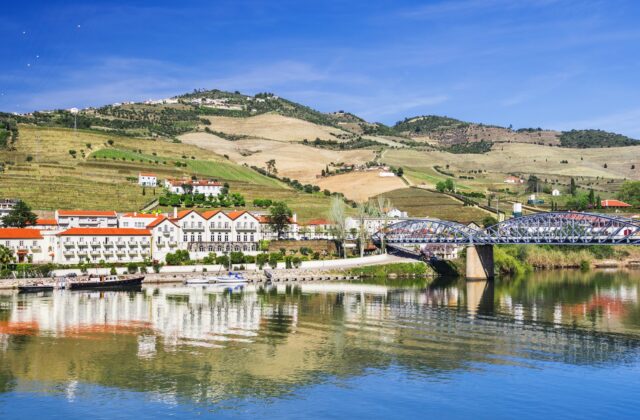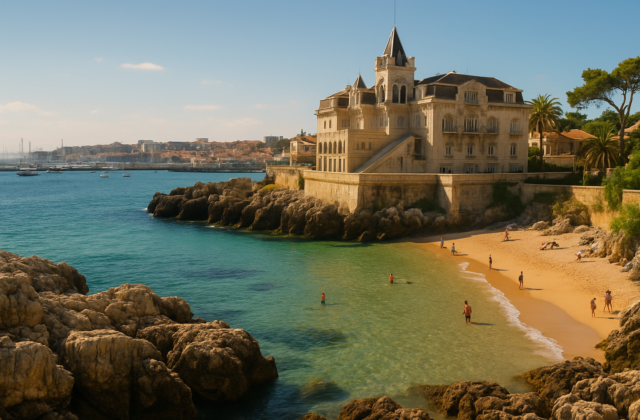
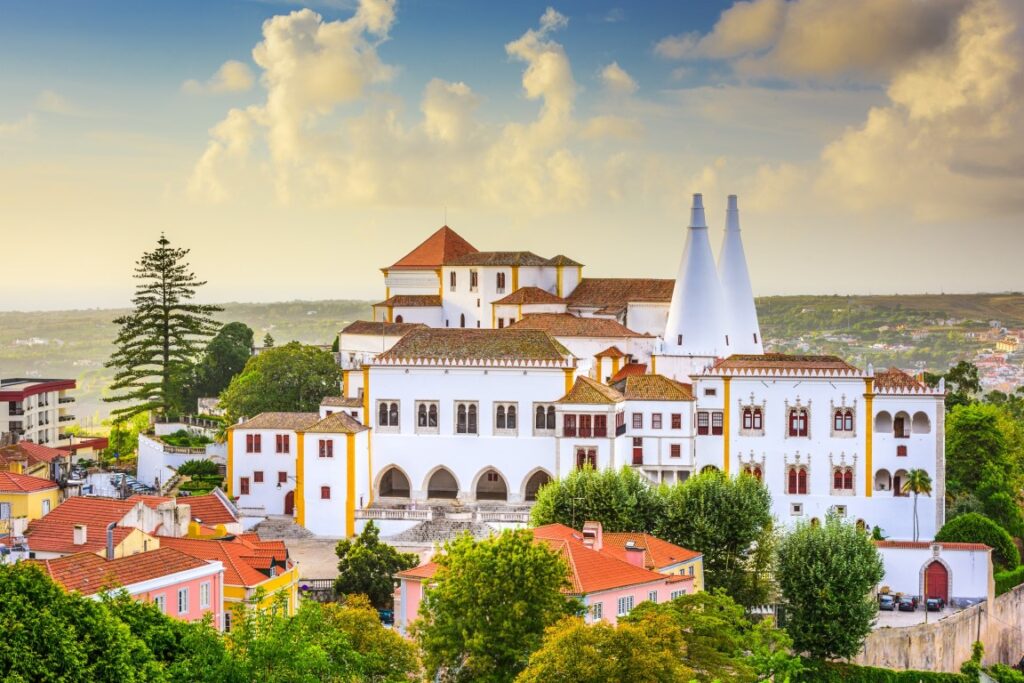
Escape the crowded ticket lines and explore the ancient cork woods, rugged Atlantic coastline, and historic vineyards that make the Sintra region truly extraordinary. Here is how to seamlessly weave these lesser known treasures into a broader central Portugal itinerary.
Reframing Sintra on a Broader Itinerary
Most first time visitors treat Sintra as a hurried checklist of royal residences, spending hours waiting in crowded queues at Pena Palace and Quinta da Regaleira. While those estates hold undeniable architectural interest, Sintra is fundamentally a vast natural park characterized by ancient granite massifs, cool microclimates, historic vineyards, and wild coastal headlands. Focusing solely on palace interiors causes travelers to miss the true spirit of this UNESCO protected landscape.
When planning a comprehensive multi day journey through central Portugal, Sintra functions best not as an isolated morning sprint, but as a transitional region connecting the historic quarters of Lisbon with the Atlantic shores of Cascais and the fishing heritage of Ericeira. Dedicating a full day exclusively to Sintra outside the palace gates unlocks centuries of monastic seclusion, prehistoric geology, and rare agricultural traditions that provide a much richer cultural context.
Morning Sanctuary at the Convent of the Capuchos
Begin the morning deep within the Serra de Sintra at the Convento dos Capuchos, founded in 1560 by Dom Alvaro de Castro. This Franciscan retreat stands in direct contrast to the opulent decoration of Sintra royal estates. Built entirely into natural granite boulders and wrapped in dense oak and fern forest, the hermitage was designed around principles of radical poverty and contemplative silence.
Walking through its tiny corridors, visitors notice how the friars used cork bark to insulate small cell doors, ceilings, and communal benches against the damp Atlantic mist. Exploring this sanctuary early in the morning allows you to absorb the cool forest scents and quiet isolation that drew monastic orders here more than four centuries ago. It offers a meditative foundation before heading toward the coastal shelf.
Wine Traditions in the Deep Sands of Colares
Continuing west from the mountain ridges brings you into the historic parish of Colares, one of Portugal most remarkable and threatened wine regions. Vines here grow in trenches carved into deep coastal sand dunes, with roots reaching several meters down to find clay subsoil. Because the phylloxera aphid could not survive in these shifting coastal sands during the late nineteenth century, Colares preserves original, ungrafted European vines.
At the historic Adega Regional de Colares, founded in 1931, travelers can learn about the native Ramisco red grape and Malvasia de Colares white grape. The resulting wines are distinctively structured, showing notable maritime acidity and saline minerality. Pairing a tasting stop here with an ongoing itinerary through the Estremadura wine country illustrates the dramatic variety of Portuguese terroirs found just miles apart.
Browse our travel inspiration for ideas, or tell us what kind of day you have in mind.
Coastal Hamlets and Fresh Atlantic Seafood
By midday, the route winds toward the Atlantic coastline where dramatic cliffs drop directly into the open ocean. Azenhas do Mar is an essential stop, perched on a steep ocean bluff above a natural tidal pool. The whitewashed houses of this former mill town cling tightly to the rock face, providing sweeping views across the crashing surf.
Lunch in this coastal corridor should focus on the day fresh catch brought in by local regional fishing vessels. Order grilled sea bass, sea bream, or percebes, also known as gooseneck barnacles, harvested by daring foragers from wave battered rocks. Pair the meal with crisp regional white wines from the surrounding vineyards. A local driver guide can easily shape the day around the guests, adjusting timing so you avoid peak seaside lunch crowds and secure a relaxed table overlooking the ocean.
Windswept Headlands at Cabo da Roca and Sanctuary Trails
After lunch, follow the coastal roads south toward Cabo da Roca, the westernmost extent of continental Europe. While the lighthouse grounds attract travelers seeking photos at the stone marker, the real reward lies in walking the rugged cliff trails slightly north of the viewpoint. Wild herbs like rosemary and rock rose scent the ocean air, while granite cliffs plunge over one hundred meters into the churning Atlantic.
Nearby sits the quiet sanctuary of Peninha, set high on an exposed granite outcrop overlooking the entire coastline. The chapel dates to the late seventeenth century, built on the site of a reported Marian apparition. From this high elevation on a clear afternoon, the panorama stretches south to Cabo Espichel and north toward the Berlengas Islands, providing an expansive geographic perspective that palace courtyards simply cannot match.
Connecting Sintra into Your Multi Day Travel Route
To make the most of this regional landscape, structure your overall route so that Sintra acts as an active day between urban Lisbon and coastal stays. After a full day discovering the quiet forests of Capuchos, tasting native Ramisco in Colares, and watching the sunset from the western cliffs, your Mercedes Benz vehicle can carry you smoothly down the Atlantic coastal highway through Guincho Beach into Cascais for the night.
This approach removes the fatigue of backtracking into city traffic and keeps your journey flowing naturally forward. From a coastal base in Cascais, subsequent days can branch northward toward the medieval village of Obidos, the fishing port of Peniche, or inland toward the monumental monasteries of Mafra and Alcobaca. Working with a local driver guide ensures that these connections remain effortless, allowing stops to adapt instantly to local weather patterns, seasonal road conditions, and individual traveler interests.
Plan your own day
Share your dates, group size and interests, and we will suggest a tailored plan with a local driver/guide.