Discover the enduring maritime culture of Nazare and the Central Coast across four well-paced days. Learn how to connect historic fishing communities, cliffside viewpoints, and fresh seafood harbors seamlessly.
The Atlantic Core: Understanding Nazare Beyond the Big Waves
Nazare has earned worldwide fame in recent years for the monster winter swells generated at Praia do Norte, where the deep underwater Nazare Canyon channels immense oceanic energy directly toward the headland. Yet long before big wave surfers arrived, Nazare was defined by one of the most resilient fishing communities in southern Europe. Walking the town reveals deep-rooted customs, from the iconic seven-layered skirts worn by local fishwives to the wooden drying racks standing on the wide sand beach.
Planning a multi-day trip focused on Atlantic maritime life allows you to experience this living culture without rushing. Setting base around the central coastline opens up quiet morning markets, historic cliff lookouts, and authentic seaside dining. With comfortable transport in a Mercedes-Benz vehicle, you avoid the hassle of winding coastal parking and regional bus schedules, letting you move easily between working harbors, clifftop shrines, and neighboring coastal enclaves.
Day One: The Cliffside Origins and Sands of Nazare
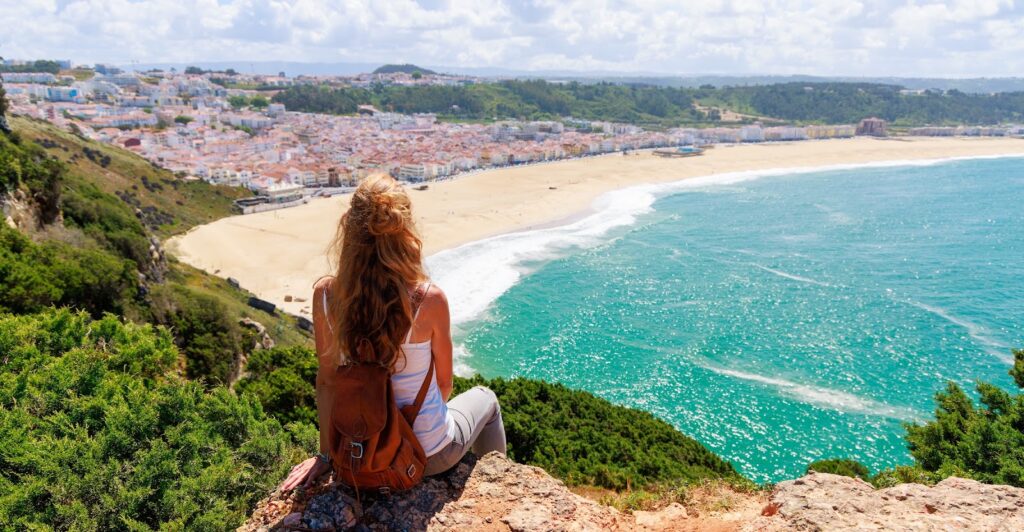
Begin your journey on the high promontory of Sitio, perched over three hundred feet above the beach. This ancient neighborhood centers on the Sanctuary of Our Lady of Nazare, founded on a miracle legend dating back to 1182 involving the nobleman Dom Fuas Roupinho. Standing at the lookout of Miradouro do Suberco, you gain a panoramic perspective of the lower village, the crescent coastline, and the sheer power of the rolling Atlantic surf.
A short walk brings you to the Fort of Sao Miguel Arcanjo, built in the sixteenth century to guard against Atlantic pirates and now serving as a lighthouse and museum dedicated to the immense local surf dynamics. From Sitio, descend via the funicular or drive down to the Praia neighborhood. Spend your afternoon along the beachfront watching the traditional drying of fish, known locally as peixe seco, where rows of horse mackerel and octopus cure under salt and sea air. For dinner, sit down at a neighborhood tasca to sample caldeirada a nazarena, a layered fisherman stew rich with fresh catch, onions, tomatoes, and potatoes.
Day Two: Peniche, Carvoeiro Cape, and Working Harbors
On your second day, trace the coastline south toward the Peniche peninsula, one of the most active commercial fishing ports in Portugal. Peniche was once an island before ocean currents formed the sand spit that connects it to the mainland today. Start at the historic fishing port, where you can watch trawlers unload their morning haul of sardines, sea bass, and Atlantic crab. A visit to the nearby Fortress of Peniche provides a striking historic counterpoint, revealing how this coastal bastion defended the coast before later serving as a political prison during the twentieth century.
Continue west around the peninsula to Cabo Carvoeiro, where weathered limestone formations, sea arches, and crashing spray dominate the landscape. In Peniche, lunch is a serious matter centered on fresh catch. Taste regional specialities such as arroz de marisco or grilled sea bream seasoned simply with sea salt and olive oil. On the return drive north, stop at the quiet tidal lagoon of Foz do Arelho, where calm waters meet the Atlantic breakers, offering a gentle contrast to the dramatic ocean cliffs.
Browse our travel inspiration for ideas, or tell us what kind of day you have in mind.
Day Three: Sao Pedro de Moel, Historic Lighthouses, and Pine Forests
Head north on day three to explore how maritime industry intertwines with Portugal inland landscapes. Drive through the Pinhal de Leiria, also known as the King Pine Forest. King Dinis planted this vast pine woodland in the thirteenth century to stabilize ocean dunes and provide timber for the caravels that launched the Portuguese Age of Discovery. The fresh scent of resin and sea breeze makes this route exceptionally memorable.
Arrive at Sao Pedro de Moel, an understated seaside resort characterized by aristocratic nineteenth-century summer residences and timber balconies. Stroll down to the Farol do Penedo da Saudade, a striking lighthouse standing watch over jagged Atlantic reefs since 1912. For lunch, sample grilled octopus or robalo in one of the oceanfront restaurants perched above the rocks. Traveling with a local driver guide means you can easily adjust your pace, perhaps detouring to a secluded cove or stopping for coffee at a seaside village cafe away from crowded tour routes.
Day Four: Maritime Faith and Coastal Towns Around Sao Martinho do Porto
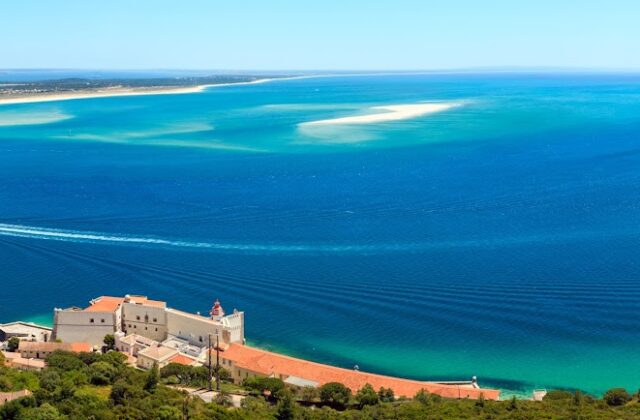
Conclude your coastal journey by linking maritime traditions with local heritage in Sao Martinho do Porto. Unlike the exposed ocean fronts of Nazare and Peniche, Sao Martinho do Porto features a nearly enclosed, scallop-shaped bay formed by two protective headlands. The calm, shell-strewn waters provided safe anchorage for wooden fishing fleets and commercial ships over centuries. Walk out to the small lighthouse at the bay opening to watch how the ocean tides surge through the narrow harbor bar.
In the afternoon, head slightly inland to Alcobaca to visit the Monastery of Santa Maria, where royal tombs and medieval cloisters illustrate how central Portugal monarchs funded and protected coastal communities. Pairing religious history with sea traditions gives full context to the everyday rituals of Atlantic fishermen. A private driver guide can shape the day around your preferred stopping points, ensuring you sample the best coastal pastries, like Nazare sweet tamarcos, before heading on to your next Portuguese destination with complete ease.
Practical Tips for Planning Your Central Coast Journey
When organizing a multi-day trip along Portugal Atlantic coast, timing matters. The dramatic giant waves at Praia do Norte generally appear between late October and March, bringing crisp ocean air and dramatic swell watching. Spring and autumn provide ideal temperatures for coastal walks, market exploration, and comfortable village dining without summer crowds. Summer brings lively beach traditions, outdoor sardine grilling, and warm village festivals.
Footwear should be sturdy with non-slip soles, as limestone cobbles and cliff walkways can become slick with sea mist. Having a dedicated vehicle allows you to keep luggage safely stowed while you stop at coastal viewpoints, working docks, and tucked-away village squares along the route. By combining Nazare with nearby peninsulas, lagoons, and pine forests across several days, you gain an authentic connection to Portugal enduring Atlantic spirit.
Plan your own day
Share your dates, group size and interests, and we will suggest a tailored plan with a local driver/guide.