Pair two of the Alto Alentejo’s most memorable hill towns with Roman ruins, regional food and the landscapes of the Serra de São Mamede. This three-day plan keeps driving manageable and leaves time to explore beyond the castle gates.
Plan two nights in the northern Alentejo
Marvão and Castelo de Vide are close enough to visit together, but treating them as quick stops misses much of their appeal. Give this corner of eastern Portugal three days and two nights. You can explore Castelo de Vide on arrival, devote the second day to Marvão and the Roman city of Ammaia, then return towards Lisbon through Portalegre. The route combines fortified settlements with the wooded slopes and small agricultural valleys of the Serra de São Mamede Natural Park.
From Lisbon, allow roughly three hours of driving to Castelo de Vide before breaks, depending on traffic and your starting point. The two main towns are approximately 20 to 25 minutes apart by road. Castelo de Vide makes a convenient base for evening meals and wandering; Marvão suits travelers who want to sleep within the walls and experience the village after daytime visitors leave. Check parking and luggage access with your accommodation before choosing.
Portugal Magik can arrange the journey in a Mercedes-Benz vehicle, with a local driver/guide shaping the day around the guests’ walking pace, interests and preferred lunch timing. That flexibility is useful here: short distances do not necessarily mean quick visits, especially when steep lanes and castle steps are involved.
Day one: Castelo de Vide from the square to the castle
Arrive in time for lunch, then begin around Praça de Dom Pedro V, beside the large church of Santa Maria da Devesa. This lower part of town provides an easy introduction before the climb into older streets. Walk uphill gradually, pausing at granite doorways and small squares rather than following the shortest route straight to the castle. Allow a full afternoon, including a café break, instead of trying to add Marvão immediately.
The streets traditionally associated with Castelo de Vide’s Jewish quarter spread below the castle. The building identified as the medieval synagogue now houses a museum interpreting the town’s Jewish history. This is an important place to understand a community whose story includes the arrival of Jews fleeing Spain after the expulsion decree of 1492, followed by Portugal’s own persecution and forced conversions. Confirm current opening hours before making the museum the centerpiece of your afternoon.
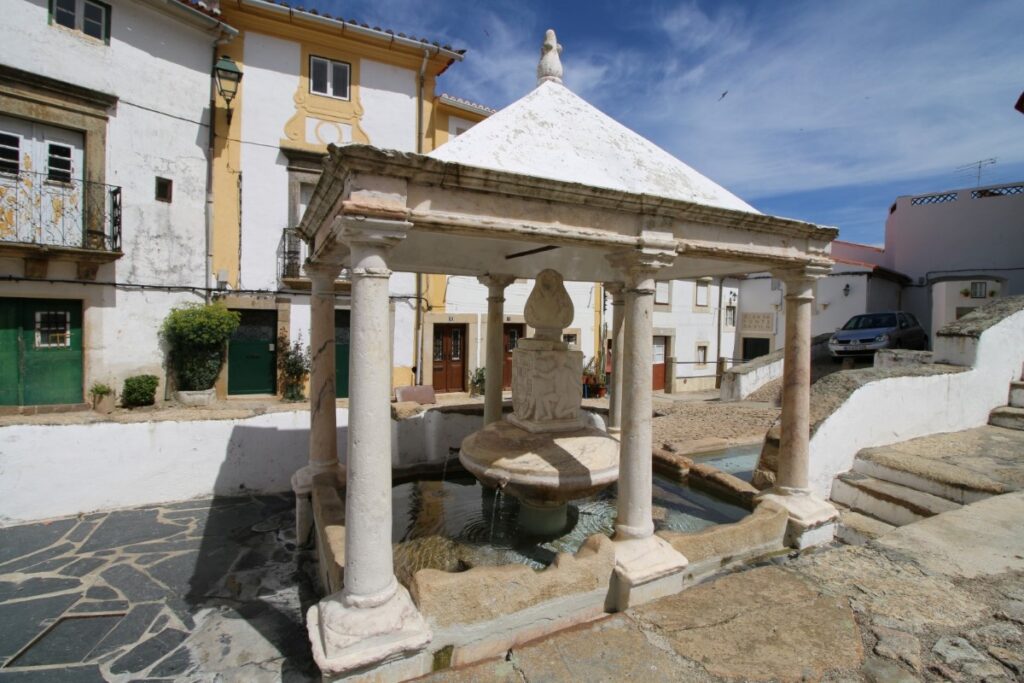
Continue to the castle and its surrounding medieval settlement for views across tiled roofs towards the hills. On the descent, seek out Fonte da Vila, the distinctive Renaissance fountain beneath its columned shelter. Keep the evening simple: dinner in town and a short walk through the illuminated streets are enough after the journey from Lisbon.
Day two morning: give Marvão the unhurried hours
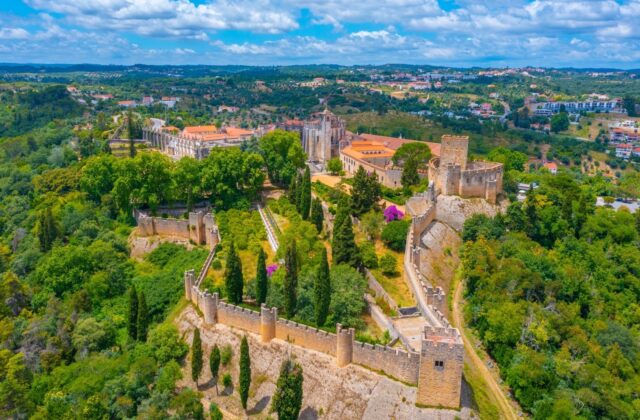
Leave after breakfast for Marvão, whose walls crown a granite ridge close to the Spanish border. Park in an appropriate area outside the gates and explore on foot. The village’s name is associated with Ibn Marwan, the ninth-century rebel leader who established a stronghold in this region. Its later importance lay in defending the Portuguese frontier, a role made immediately understandable by the wide views from its fortifications.
Head towards the castle while temperatures are comfortable. Its large cistern is as revealing as the defensive walls: storing water was essential to surviving a siege on this exposed summit. Explore only the sections that suit your balance and confidence. Some wall walks and stairs are narrow or exposed, and strong wind can make the highest areas uncomfortable. There is no need to complete every circuit to appreciate the setting.
Afterwards, walk back through the whitewashed village, passing the church of Santa Maria, which houses the municipal museum, subject to opening hours. Leave room for a quiet pause in the garden near the castle. Lunch can be inside the village or down in Portagem, but book ahead on busy weekends rather than assuming a small restaurant will have space.
Browse our travel inspiration for ideas, or tell us what kind of day you have in mind.
Day two afternoon: Roman Ammaia and the valley below
Descend to São Salvador da Aramenha for the archaeological site of Ammaia. Founded under Roman rule in the first century AD, this settlement offers a useful contrast with Marvão: urban life here developed in the valley rather than on a defensive summit. The museum and excavated remains, including the southern gate area and bath complex, help explain the city’s scale, although much of the ancient settlement remains underground.
Allow around an hour to an hour and a half, depending on your interest and which areas are accessible. Check opening arrangements beforehand and bring water, sun protection and shoes suitable for uneven ground. Ammaia works particularly well after Marvão because it changes both the historical period and the physical setting without adding a long transfer.
Finish in nearby Portagem beside the River Sever. Its historic stone bridge and riverside setting make a gentle final stop before returning to your accommodation. In warm weather, resist adding another hilltop walk merely because daylight remains. A drink by the river and a leisurely dinner often make a better ending.
Make regional meals part of the route
Look for Alentejo dishes rather than expecting identical menus in every village. Migas, often made with bread and garlic, commonly accompany pork; lamb stew, or ensopado de borrego, is another regional staple. Açorda alentejana brings together bread, garlic, coriander and olive oil in a broth, often with an egg. Ask how each kitchen prepares it, particularly if you have dietary restrictions.
For something distinctly local, try Queijo de Nisa, a protected-origin sheep’s milk cheese from the northern Alentejo. Chestnuts are closely associated with Marvão, especially in autumn, though their appearance on menus is seasonal. Portalegre wines provide another regional connection, with some vineyards benefiting from the cooler conditions around the São Mamede hills. Keep lunch moderate before an afternoon outdoors, and save a longer meal for the evening.
Day three: Portalegre before the road home
After breakfast, drive to Portalegre, roughly half an hour from either base. Prioritize the Museu da Tapeçaria de Portalegre Guy Fino, which introduces the city’s distinctive tapestry tradition and its relationship with modern artists. Check its opening day before fixing the sequence, then add a walk through the historic center and a look at the cathedral if accessible.
Have lunch before returning to Lisbon, allowing roughly two and a half to three hours for the drive without extended stops. Spring and autumn generally suit this itinerary best, though mountain weather remains changeable. In summer, move exposed sightseeing earlier; in winter, expect shorter daylight and possible fog. Keep one flexible slot each day so weather or a closed museum changes the order, not the enjoyment.
Plan your own day
Share your dates, group size and interests, and we will suggest a tailored plan with a local driver/guide.