Discover how to plan three days exploring Cascais as a historic fishing port, combining coastal seafood taverns, rugged Atlantic headlands, and traditional maritime heritage.
Understanding the Traditional Roots of Cascais
Before Cascais became a favored summer retreat for nineteenth-century royalty, it existed for centuries as a modest fishing community battling the open Atlantic. Local mariners navigated the unpredictable waters around the mouth of the Tagus River, supplying Lisbon with fresh sardines, sea bass, and octopus. Even as grand manor houses arose along the bay, the daily rhythm of the tides remained the true heartbeat of the town.
Today, travelers can still peel back modern layers to find working slipways, family-run fish houses, and quiet cobblestone lanes where fishermen once mended hemp nets. Structuring a three-day visit around Cascais allows you to appreciate this maritime heritage while seamlessly connecting neighboring coastal highlights, dramatic headlands, and classic Atlantic viewpoints without rushing.
Day One: The Old Harbor, Citadel, and Fish Markets
Begin your first morning at the Mercado da Vila, the bustling municipal market where local fishmongers display the morning catch on beds of crushed ice. Look for silver scabbardfish, sea bream, and red mullet sourced straight from the surrounding shelf. This is the ideal spot to observe everyday life as residents choose produce and chat over morning espresso.
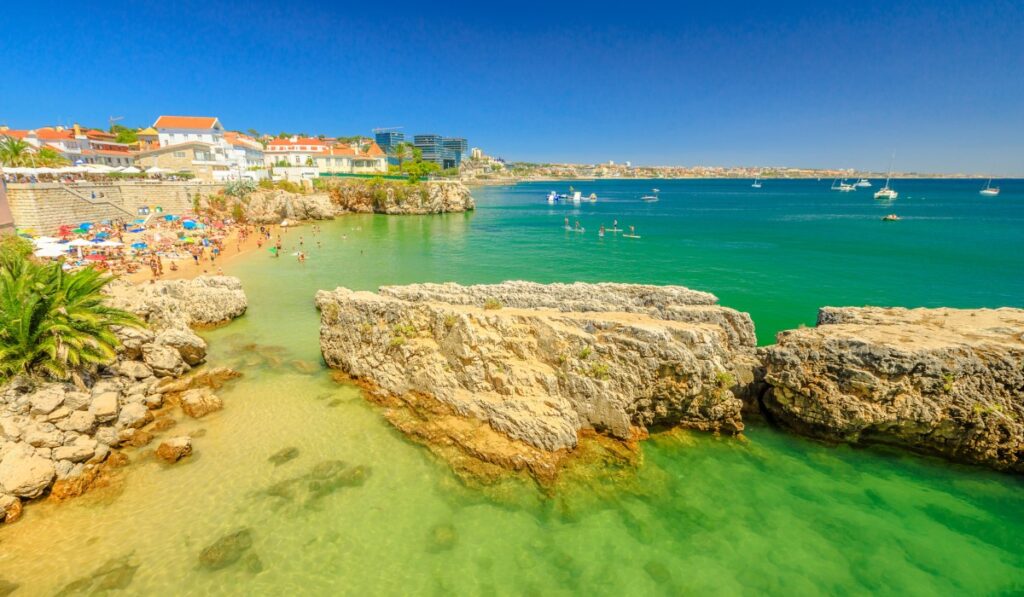
From the market, wander down toward Praia dos Pescadores, or Fishermen Beach. Colorful boats still pull up along the slipway beside the historic fishing guild, reminding visitors of the town origins. Nearby, the Fortaleza da Cidadela stands watch over the bay. Originally built in the fifteenth century to defend against corsairs and invaders, its stone ramparts provide panoramic views across the protected anchorage where fishing vessels once gathered before heading into deeper water.
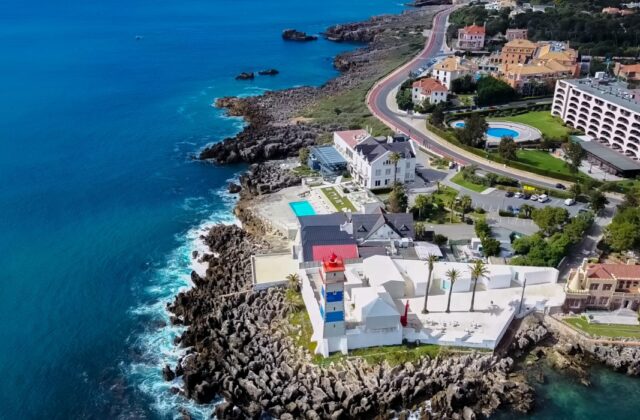
In the afternoon, explore the narrow alleys of the historic center behind the town hall. Stop for lunch at a modest tavern serving grilled sardines or polvo a lagareiro, whole octopus roasted with garlic, olive oil, and crushed baked potatoes. Finish the day watching boats return at sunset near the Santa Marta lighthouse.
Day Two: Coastal Defenses, Boca do Inferno, and Guincho
The second day focuses on the wild coastline west of town, where generations of seamen faced Atlantic squalls. Follow the seaside path toward Boca do Inferno, an imposing chasm carved into sea cliffs by relentless waves. Here, seawater surges into natural caverns with a resounding boom, offering a vivid demonstration of why early sailors regarded this coast with immense respect.
Continue past historic seaside forts along the coastal road toward Praia do Guincho. This wide stretch of golden sand and rolling dunes sits exposed to Atlantic winds and powerful swells. While sunbathers fill sheltered town beaches, Guincho remains raw and elemental. Stop along the coastal highway at a traditional seafood restaurant to taste percebes, the wild goose barnacles harvested by daring local pickers from wave-battered rocks, followed by a steaming pan of arroz de marisco.
Traveling along these windswept coastal roads is effortless when using a private vehicle. Having a dedicated local driver and guide allows you to pause at quiet viewpoints, explore secluded stone fortifications, and adjust your afternoon schedule according to sea breezes and sunlight.
Browse our travel inspiration for ideas, or tell us what kind of day you have in mind.
Day Three: Maritime Links to Cabo da Roca and Colares
Use your third day to expand outward from Cascais, connecting the bay to the broader maritime geography of the Estoril coast and the Sintra-Cascais Natural Park. Head north toward Cabo da Roca, the westernmost point of continental Europe. The towering granite cliffs rise over four hundred feet above the ocean, crowned by a lighthouse that has warned incoming ships away from treacherous shallows since 1772.
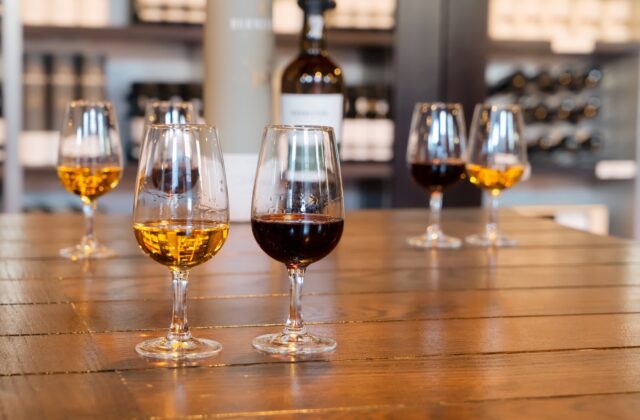
After walking the windswept headland, curve inland to the historic wine-growing parish of Colares. Maritime breezes and deep sand dunes protect ungrafted vines that produce distinctive Ramisco grapes, creating acidic, savory red wines that pairs naturally with salted fish. Visit a traditional cellar or enjoy a quiet lunch in the nearby village of Azoia before returning south toward Cascais.
Working with a local driver and guide ensures your route between dramatic sea cliffs and small interior villages remains smooth, shaping the day around your personal interests so you can savor every ocean view without navigating winding rural roads or parking bottlenecks.
Practical Tips for Your Coastal Itinerary
To experience Cascais at its best, plan your visit during spring or early autumn. Months like May, June, September, and October offer clear Atlantic light, comfortable walking temperatures, and quieter harbor docks compared to midsummer.
When choosing meals, look for restaurants displaying whole fish on ice near the entrance, priced by weight. Ask what came off the boats that morning, as seasonal catches shift from spring mackerel to autumn sea bass. Pair your meals with crisp, young Vinho Verde or a mineral white from the nearby Bucelas region. By treating Cascais as a historic harbor rather than just a seaside suburb, you unlock a rewarding connection to authentic Portuguese seafaring life.
Plan your own day
Share your dates, group size and interests, and we will suggest a tailored plan with a local driver/guide.