Discover iconic pastry counters from Lisbon to the north, weaving convent confectionery into a relaxed multi-day itinerary.
1. Pasteis de Belem in Lisbon, where warm custard tart traditions began
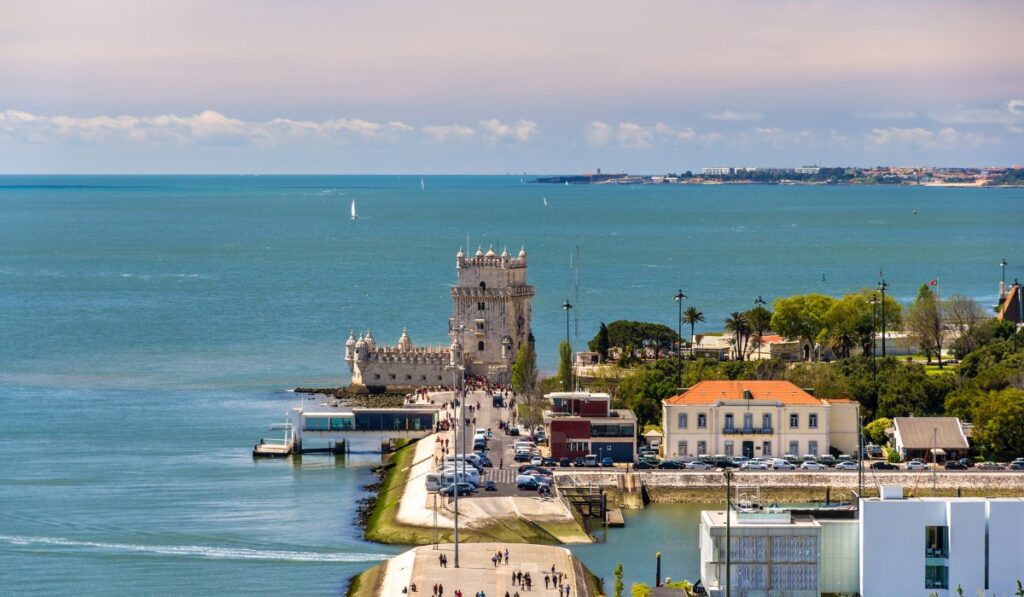
For American travelers landing in Lisbon, the quest for authentic Portuguese pastry almost always starts along the riverfront in Belem. Established in 1837, Casa Pasteis de Belem still uses the original secret recipe created by monks from the neighboring Jeronimos Monastery following the liberal revolution. The crisp, flaky puff pastry shells are filled with fresh egg custard and baked in specialized ovens at high heat, emerging blistered on top and served warm with shakers of powdered sugar and cinnamon on every marble table.
Beginning a multi-day trip here allows you to settle comfortably into local coffee culture. Pairing a freshly pulled bica espresso with warm tarts offers an energetic introduction to the capital. Having a private driver waiting outside means you can easily transition from the bustling counter of Belem to scenic viewpoints across the Tagus River without wrestling with busy public transit or steep cobblestone hills.
2. Confeitaria Nacional in Central Lisbon, nineteenth century elegance on Praca da Figueira
Operating continuously since 1829 on Praca da Figueira, Confeitaria Nacional is Lisbon’s oldest operational bakery and a favorite morning pause for travelers exploring downtown. Its mirrored ceilings, carved woodwork, and gleaming brass fixtures recall European grand cafes of the nineteenth century. While famous for introducing Bolo Rei, the traditional fruit-studded holiday cake, its daily glass displays present delicate almond tarts, Jesuita puff pastries, and golden empadas that pair wonderfully with afternoon tea.
Americans frequently appreciate how central Lisbon can be paired with easy stops across Baixa and Chiado. Visiting mid-morning fits naturally between touring historic squares and admiring tile facades. Because English is spoken with warmth and patience across the counter, ordering and learning the background of each specialty feels entirely welcoming.
3. Piriquita in Sintra, sweet pillowy travesseiros amidst mountain palaces
When leaving Lisbon for a day in the cool granite hills of Sintra, Piriquita is an essential culinary landmark. Founded in 1862 by royal decree from King Carlos I, this family-run institution sits in the heart of the pedestrian village. The signature draw is the travesseiro, a warm puff pastry pillow wrapped around sweet egg cream and crushed almonds, dusted lightly with granulated sugar. Another classic is the queijada de Sintra, a centuries-old small tart made from fresh cow cheese, sugar, cinnamon, and thin pastry dough.
Sintra’s steep, narrow roads and restricted traffic zones can overwhelm independent drivers. Exploring with a dedicated driver allows you to visit Pena Palace or Quinta da Regaleira in the morning, pause at Piriquita without parking stress, and relax during the scenic descent toward the Atlantic coast.
Browse our travel inspiration for ideas, or tell us what kind of day you have in mind.
4. Pastelaria Alcoa in Alcobaca, century-old convent confectionery beside a Gothic abbey
Heading north toward central Portugal, the town of Alcobaca offers a profound encounter with doces conventuais, the rich egg-and-sugar confections perfected by medieval nuns and monks. Facing the facade of the Royal Abbey of Santa Maria, Pastelaria Alcoa displays gleaming award-winning sweets such as Cornucopias, crisp horn-shaped cones filled with golden doce de ovos, and Castanhas de Ovos, delicate molded egg treats.
This stop is an ideal mid-point when traveling between Lisbon and northern destinations. It reveals how religious houses used egg whites to starch habits and clarify wine, turning the surplus yolks and cane sugar into lasting art forms. A local driver guide can shape the day around your pace, timing arrival so you tour the abbey cloister just as the morning baking trays emerge fresh from the ovens.
5. Pastelaria Briosa in Coimbra, academic heritage and sweet arrufadas along the Mondego
Situated at the edge of Praca do Comercio in Coimbra, Pastelaria Briosa has anchored the university city’s cafe life since 1955. Inside its inviting room, travelers find iconic central sweets such as Arrufadas de Coimbra, lightly spiced sweet yeast buns, alongside delicate Pastis de Santa Clara and dense almond tarts. These sweets sustained generations of scholars studying at the historic university uphill.
Stopping in Coimbra breaks the journey northward into an easy, rewarding morning. You can spend an hour wandering through the baroque Joanina Library, stroll down historic pedestrian alleys, and enjoy a quiet table at Briosa before continuing on. The overall ease of travel, clear highway connections, and exceptional value for money make these cultural pauses deeply satisfying compared to similar routes in France or Italy.
6. Confeitaria do Bolhao in Porto, Belle Epoque storefronts and northern hospitality
Opposite Porto’s restored Bolhao Market, Confeitaria do Bolhao has welcomed morning patrons since 1896. Stepping inside reveals a striking Belle Epoque interior featuring ornamental plasterwork, marble accents, and long glass cases laden with northern regional classics. Visitors can sample Jesuitas, triangular glazed puff pastries filled with cinnamon custard, and broa de mel alongside fresh savory lanches filled with ham and cheese.
Porto’s northern hospitality immediately puts American visitors at ease, offering high standards of service and fluent English communication. Exploring the city over two or three days allows you to make Confeitaria do Bolhao your baseline for breakfast before touring the riverside Ribeira district, visiting historic cellars in Gaia, or taking day trips into the nearby Douro Valley.
7. Confeitaria Moura in Santo Tirso and Porto, crisp jesuitas crafted since 1892
Founded in the northern textile town of Santo Tirso in 1892 and now also welcoming guests at its shop in downtown Porto, Confeitaria Moura holds the gold standard for authentic Jesuitas. The bakery’s pastry masters hand-fold layers of dough around sweet egg cream, topping the triangle with a signature crisp royal icing that crackles on the first bite. Alongside these are limonetes, delicate lemon-scented pastries that highlight the citrus heritage of northern orchards.
Adding Confeitaria Moura to your route provides a delicious window into northern heritage that many travelers overlook. Whether as an afternoon reward during a walking exploration of Porto or an easy excursion toward nearby historic centers like Guimaraes, the unhurried setting lets you savor authentic flavors without feeling rushed.
A Sweeter Way to Connect Portugal’s Historic Regions
Exploring Portugal through its historic confectioneries connects architecture, monastic history, and daily community life into a seamless journey. With modest driving distances, exceptional safety, and comfortable travel in a Mercedes-Benz vehicle, you can savor regional specialties at an enjoyable pace while your private driver handles every turn of the road.
Plan your own day
Share your dates, group size and interests, and we will suggest a tailored plan with a local driver/guide.