Sintra combines royal history, wooded hills, distinctive food and an Atlantic coastline within easy reach of Lisbon. Give it several days rather than one crowded excursion, and the appeal becomes clearer.
1. You can unpack once and explore several different worlds
For Americans accustomed to covering long distances between major sights, Sintra offers a satisfying change of scale. Lisbon, Sintra, Colares and Cascais fit into one compact region, although winding roads and visitor traffic mean distance alone does not predict journey time. Central Lisbon to Sintra often takes roughly 40 to 60 minutes by road, depending on conditions.
Build four days around a Lisbon or Sintra base: the historic center first, the hilltop monuments second, Monserrate and Colares third, and the Atlantic coast fourth. Staying in Sintra brings quieter evenings after many day visitors leave; Lisbon provides more city dining and nightlife.
2. The history rewards more than a quick palace photograph
Begin day one at the National Palace of Sintra, recognizable by its two enormous conical kitchen chimneys. Its rooms reveal layers of Portuguese royal life, including Manueline details and important collections of decorative tiles. The Swan Room and Magpie Room provide memorable examples of how royal interiors communicated stories and status.
After lunch in the historic center, choose Quinta da Regaleira rather than another royal residence. Built for António Augusto Carvalho Monteiro around the turn of the twentieth century, its estate includes tunnels, symbolic architecture and the famous Initiation Well. Reserve ahead and allow time for uneven paths, stairs and possible queues.
3. Its famous skyline comes with a genuinely distinctive landscape
Sintra’s cultural landscape became a UNESCO World Heritage Site in 1995. The distinction matters because the attraction is not simply a collection of buildings: wooded slopes, gardens and carefully positioned residences form a connected landscape. Visitors comparing European palace destinations find something different here from a formal estate surrounded by flat countryside.
Dedicate day two to Pena Palace, transformed in the nineteenth century under Ferdinand II around an earlier monastery. Book the appropriate ticket and timed palace entry, then allow extra time to reach the entrance. Fog can obscure the panoramic views, but it also gives the surrounding park a very different atmosphere.
Browse our travel inspiration for ideas, or tell us what kind of day you have in mind.
4. Families and couples can choose different levels of activity
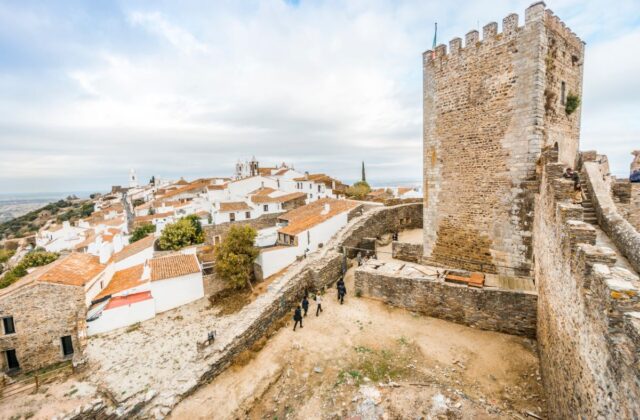
The Moorish Castle makes a strong companion to Pena for travelers who enjoy walking. Its origins lie in the period of Islamic rule, and its ramparts offer broad views when the weather cooperates. However, exposed steps and uneven surfaces make it a poor automatic addition for anyone uncomfortable with heights or sustained climbing.
Treat the castle as an optional second stop, not a compulsory achievement. Active families might welcome the climb; couples or retirees might prefer more time in Pena’s park or a leisurely lunch afterward. Even garden visits involve slopes, so assess each person’s mobility before booking several demanding sites on the same day.
5. You do not have to navigate the hill roads yourself
Sintra is not an ideal place to improvise a self-drive palace circuit. Traffic restrictions, narrow roads and limited parking complicate access, particularly around the most visited monuments. A car also cannot eliminate the walking required inside estates or between permitted drop-off points and entrances.
Portugal Magik offers private driver and guided tours in Mercedes-Benz vehicles, useful for connecting a hotel, monuments and lunch without managing parking yourself. A local driver/guide can shape the day around the guests, adjusting the sequence to their interests and energy while respecting booked entry times. Confirm access arrangements and walking expectations before finalizing the itinerary.
6. Familiar travel comforts leave room for real discovery
English is widely spoken at Sintra’s major visitor attractions, hotels and many restaurants, which helps Americans handle practical details without giving up the pleasure of being somewhere culturally distinct. Portugal is generally considered a safe travel destination, but ordinary precautions still matter: keep valuables secure in crowded areas and never leave bags visible in a parked vehicle.
For day three, visit Monserrate Palace and its park. The nineteenth-century estate associated with British merchant Francis Cook combines Gothic, Indian and Moorish influences, with gardens shaped by plants from different regions. It offers a useful contrast to Pena, though its sloping grounds still require comfortable shoes.
7. Pastries and local wine make the itinerary more personal
Sintra has its own pastry identity. Queijadas are small cheese-based tarts, while travesseiros are puff-pastry sweets with an egg-and-almond filling. Try them during the historic-center day rather than saving every food stop for the coast. Piriquita, founded in 1862, is a longstanding address associated with both.
After Monserrate on day three, continue toward Colares for a prearranged wine visit. The region is known for Ramisco reds and Malvasia de Colares whites, including wines from vines grown in sandy soils. Check the producer’s visiting schedule beforehand. This is a distinctive local pairing, not a substitute for a full vineyard day in another Portuguese wine region.
8. An Atlantic day balances the palaces beautifully
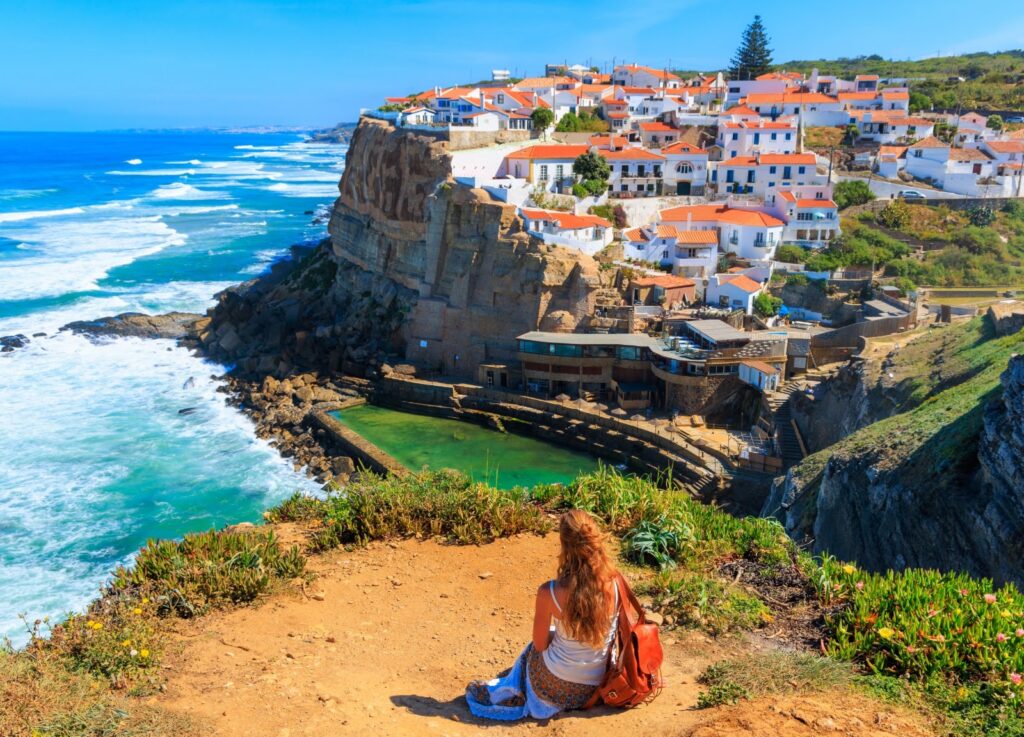
Use day four to link Cabo da Roca with Cascais, stopping near Guincho if conditions suit. Cabo da Roca is the westernmost point of continental Europe, with dramatic cliffs and frequently strong winds. Stay behind barriers and bring a layer even when Lisbon feels warm.
Continue to Cascais for lunch and a walk around the historic center and harbor. Grilled fish, octopus or seafood rice provide a natural change from palace sightseeing, with availability depending on the restaurant and season. Families hoping to swim should distinguish sheltered beaches from exposed Atlantic surf beaches; scenery alone does not indicate safe bathing conditions.
9. Value comes from a better-shaped trip, not a packed checklist
For Americans comparing Portugal with France, Italy or Spain, Sintra’s strongest value argument is how much variety fits around one base. Restaurant, accommodation and transport costs vary by season and standard, so blanket claims that everything is cheaper are unhelpful. Multiple monument tickets also add up, especially for families.
Choose the interiors that genuinely interest you, reserve those carefully, and leave room for gardens, meals and weather changes. Four days need not mean four days of nonstop touring. Sintra wins when a palace morning, a Colares tasting and an Atlantic afternoon become separate experiences you can actually enjoy, rather than stops squeezed into a single photograph-filled day.
Plan your own day
Share your dates, group size and interests, and we will suggest a tailored plan with a local driver/guide.