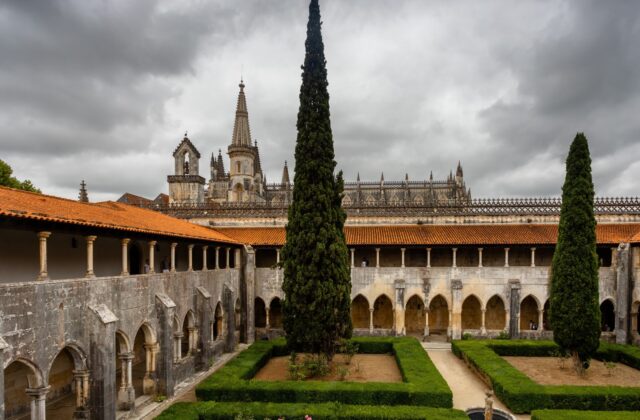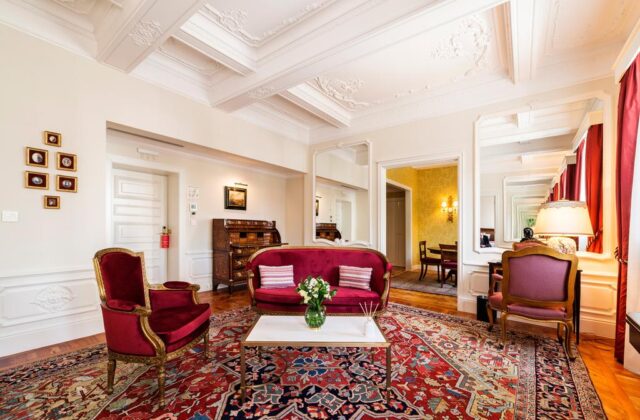
Build a five-day journey around Évora’s historic streets, the open countryside near Monsaraz and the marble towns farther north. This practical route balances monuments, regional food and manageable drives without changing hotels every night.
Set the route before filling the days
The Alentejo rewards a journey planned in clusters rather than a checklist of scattered sights. Begin with three nights in Évora, using the city for its own monuments and a day east toward Monsaraz. Then move to Vila Viçosa for a fourth night before returning to Lisbon through Estremoz. That gives you five days with distinct characters: an arrival afternoon, a full city day, a countryside excursion, a move into marble country and a measured return.
Lisbon to Évora usually takes around an hour and a half by road, depending on traffic and your departure point. Spring brings greener fields and wildflowers; early autumn can offer warm days and vineyard activity. Summer requires earlier starts and proper midday breaks. Portugal Magik’s private tours use Mercedes-Benz vehicles, and a local driver/guide can shape each day around the guests, adjusting walking time, meal stops and the balance between towns and countryside.
Day one: Arrive in Évora and learn its layout
Travel directly from Lisbon rather than loading the arrival day with detours. After leaving your bags, start at Praça do Giraldo, the arcaded square that helps make sense of the historic centre. Walk up toward the cathedral and Roman Temple, allowing time for the sloping streets and uneven paving. Évora’s historic centre is a UNESCO World Heritage Site, but its appeal also lies in ordinary details: whitewashed houses, yellow borders and small shops beneath old stone arches.
The Roman Temple dates to the first century AD. Its familiar association with Diana is a later attribution, not an established ancient dedication. See it outside on this first afternoon, then save paid interiors for tomorrow. Nearby Jardim de Diana offers a useful pause before dinner. Choose a regional dish such as ensopado de borrego, a lamb stew commonly served over bread, and keep the evening uncomplicated. An early night makes the next day’s walking considerably more enjoyable.
Day two: Give Évora a full day, with one optional rural detour
Begin at the cathedral, whose construction started in the late twelfth century and whose architecture bridges Romanesque and Gothic traditions. If you choose a ticket including the roof terrace, expect steps and exposed outdoor areas. Continue to the Church of São Francisco and its Chapel of Bones, created by Franciscan friars as a reminder of mortality. The chapel’s human remains warrant some thought before visiting with younger children. Check current opening hours and ticket arrangements rather than assuming every part of each monument is accessible.
For lunch, look for açorda à alentejana, a garlic, coriander, olive oil and bread preparation often served with an egg. Afterwards, choose between the Museu Nacional Frei Manuel do Cenáculo, with archaeology and paintings beside the temple, and a prearranged countryside outing toward Guadalupe. The Almendres Cromlech is a major prehistoric stone enclosure, but access conditions and visitor arrangements should be checked beforehand. Do not treat it as a guaranteed roadside stop. If staying in town, finish with a walk beside the sixteenth-century Aqueduto da Água de Prata.
Browse our travel inspiration for ideas, or tell us what kind of day you have in mind.
Day three: Combine Monsaraz with one wine or pottery stop
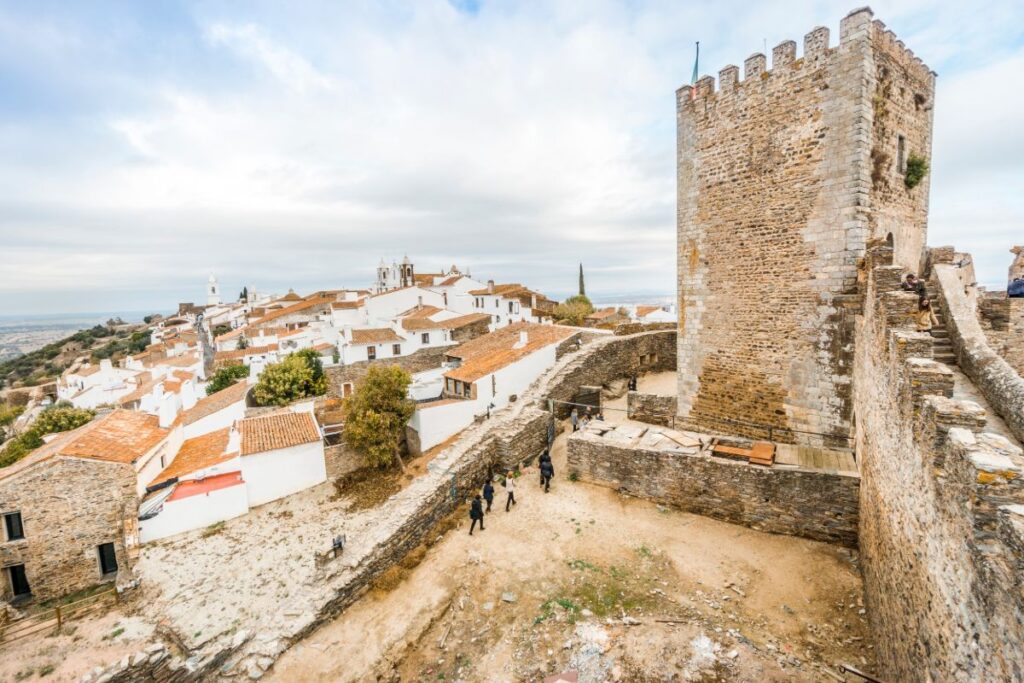
Leave Évora after breakfast for Monsaraz, roughly an hour away by road. Approach this day as a hilltop visit with one supporting stop, not a race around the Alqueva reservoir. Monsaraz’s compact lanes, castle and broad views deserve the cooler morning hours. Park outside the walls and wear shoes that grip polished stone. The landscape below combines olive groves, fields and the waters of Alqueva, a reservoir created by damming the Guadiana River.
After lunch, choose according to your interests. São Pedro do Corval, near Reguengos de Monsaraz, is known for pottery workshops where you can browse hand-painted earthenware; individual workshop hours vary. Alternatively, reserve a visit at Herdade do Esporão, outside Reguengos, and allow sufficient time for the particular wine experience booked. Trying to fit both into an already leisurely lunch day can make the return feel rushed. Back in Évora, consider migas, a bread-based accompaniment often paired with pork, and a glass of Alentejo wine.
Day four: Move north through Redondo to Vila Viçosa
Check out and head toward Redondo, a useful stop between Évora and Vila Viçosa. Its pottery tradition offers a different perspective on the region, while the surrounding countryside reveals the montado landscape of cork and holm oaks. Cork harvesting takes place seasonally and only on eligible trees, so freshly stripped trunks are something to notice if present, not an activity to expect on demand. Keep Redondo to a short walk and coffee unless a specific workshop visit has been arranged.
Continue to Vila Viçosa and make the Paço Ducal the principal visit. Closely associated with the House of Braganza, the palace has a striking marble façade and interiors that explain the town’s importance beyond its modest size. Confirm current visiting arrangements, including any scheduled guided entry, before fixing lunch. Staying here tonight removes the need to return to Évora and leaves room for a quiet walk around the palace square. For something sweet, ask about sericaia, the regional egg-and-cinnamon dessert often accompanied by preserved Elvas plums.
Day five: Use Estremoz as the final stop before Lisbon
From Vila Viçosa, drive to nearby Estremoz and divide your visit between the lower town and the upper fortified quarter. The marble keep above the town recalls its medieval royal connections, while the streets below show how extensively local stone enters everyday buildings. Estremoz is also known for its clay figures, a craft recognised by UNESCO as intangible cultural heritage. If this day falls on Saturday, the market at Rossio Marquês de Pombal is worth considering, with timing adjusted to current arrangements.
Have lunch before returning to Lisbon, allowing roughly two hours for the drive plus traffic and your final transfer. For an airport departure, calculate the day backwards from the required check-in time and shorten Estremoz accordingly. Otherwise, let this be the last substantial stop rather than adding another castle. The route works because each day has one clear focus, with enough room left for a shaded table, a longer conversation or a view across the plains.
Plan your own day
Share your dates, group size and interests, and we will suggest a tailored plan with a local driver/guide.