Discover eight picturesque seaside destinations you can seamlessly connect across an unhurried multi-day Portuguese journey.
1. Cascais, seaside elegance close to the capital
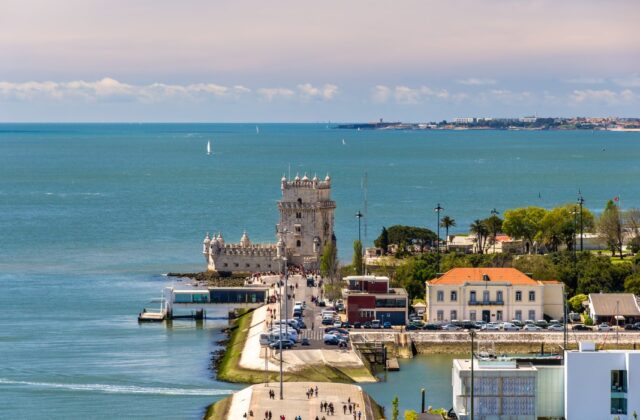
For American travelers arriving at Lisbon airport, Cascais serves as an immediate reminder of why Portuguese coastal life feels so effortless. Located barely forty minutes west of the capital along the Tagus estuary where river meets Atlantic, this former royal summer retreat offers smooth pedestrian lanes, shaded parks, and protected coves. Visitors used to the bustle of the French Riviera find Cascais strikingly calm and welcoming, with English widely spoken throughout its cafes and waterfront seafood taverns.
Cascais makes an exceptional base for a two or three day stay before heading north. You can spend a quiet morning exploring the historic Citadel and walking the paved seawall toward Boca do Inferno, then pause for lunch over grilled sea bass and crisp Arinto white wine. Because Portugal Magik operates clean, air-conditioned Mercedes-Benz vehicles across the country, guests often choose to have a local driver guide pick them up here for a relaxed afternoon loop through the pine forests of the Sintra-Cascais Natural Park.
2. Nazare, ocean drama rooted in deep traditions
Situated midway between Lisbon and Porto on the Silver Coast, Nazare captivates American visitors with its dual personality. Worldwide, it is famous for the winter monster swells generated by the deep Nazare Canyon just off Praia do Norte. Yet during regular travel seasons, the town retains an authentic, working-harbor charm. In the lower town, dry-cured fish still hangs on wooden racks along the sand, and older women wear the traditional seven petticoats while selling roasted nuts.
Nazare fits brilliantly into a multi-day itinerary connecting central monasteries like Batalha and Alcobaca. Instead of dealing with parking lots or rental car paperwork, travelers can ride smoothly to the Sitio promontory perched three hundred feet above the shore. Here you can tour the historic chapel of Nossa Senhora da Nazare and take in panoramic views of the curving bay before enjoying a bowl of traditional caldeirada fish stew.
3. Ericeira, cobblestones and fresh shellfish above the surf
Just fifty minutes northwest of Lisbon, Ericeira is an Atlantic fishing town that holds rare international recognition as a World Surfing Reserve. Unlike crowded coastal resort strips, Ericeira has preserved its historic core of whitewashed cottages accented with deep marine blues. Well-traveled couples and retirees love strolling the cliffside overlooks where traditional wooden fishing boats are still winched up the steep ramp away from crashing tides.
Ericeira makes an ideal stop when traveling between Lisbon and the central coast. The town is legendary for local vivendas, salt-water nurseries where ocean crustaceans thrive. At long-established tables overlooking the waves, you can sample barnacles, rock crabs, and fresh lobster alongside a bottle of mineral-rich Bucelas wine. A dedicated driver guide can easily coordinate an afternoon stop here after a morning visit to the nearby National Palace of Mafra.
Browse our travel inspiration for ideas, or tell us what kind of day you have in mind.
4. Peniche, rugged headlands and maritime grit
Positioned on a dramatic peninsula jutting straight into the Atlantic, Peniche provides American travelers with a genuine look at Portugal working maritime heart. Long celebrated for its bobbin lace and thriving sardine fleet, the town also witnessed crucial twentieth-century history. The seventeenth-century fortress of Peniche was used as a high-security political prison during the Estado Novo regime and now houses an evocative National Museum of Resistance and Freedom.
Adding Peniche to your travel days between Lisbon and Porto allows for striking coastal scenery without detouring far off the main highways. The surrounding cliffs of Cabo Carvoeiro reveal dramatic limestone formations sculpted by ocean storms, along with sweeping vistas out toward the Berlengas archipelago. A short midday stop lets you savor a comforting pot of arroz de marisco, rich seafood rice prepared with clams, prawns, and monkfish, before continuing your journey.
5. Costa Nova, painted stripes and lagoon flavors
Located just outside Aveiro along the silver waters of the Ria de Aveiro lagoon, Costa Nova is instantly recognizable by its whimsical palheiros. Originally built by local fishermen in the nineteenth century as wooden storage sheds for nets and gear, these buildings feature bright vertical and horizontal stripes in cherry red, navy, and emerald green against bright white boards. Today, many serve as family holiday cottages along a quiet wooden boardwalk.
Costa Nova provides a colorful, relaxed pause when transitioning between central Portugal and the northern wine country. Travelers can walk the soft dunes toward the open ocean, watch traditional moliceiro boats glide across the inner channels, and visit open-air stalls selling tripa, a warm, crepe-like local pastry filled with sweet ovos moles cream. Having a private vehicle ready allows you to enjoy these scenic photo stops without waiting around for regional public transit schedules.
6. Tavira, gentle river tides and Moorish heritage
For American travelers heading south into the eastern Algarve, Tavira offers an entirely different atmosphere than the golf-centered resorts further west. Straddling the slow-moving Gilao River, Tavira feels tranquil and preserved, filled with whitewashed houses crowned by four-sided hip roofs known as telhados de tesoura. Roman, Moorish, and Renaissance architectural layers blend peacefully across its quiet garden squares.
Tavira is a highlight of any multi-day southern Portugal loop. The town borders the protected wetlands of the Ria Formosa Natural Park, where flamingos feed in tidal flats and traditional sea salt is harvested by hand from shimmering evaporation pans. After walking the battlements of the ancient hilltop castle ruins, settle in for a lunch of fresh octopus cooked slowly in copper cataplana dishes, followed by sweet local almond pastries.
7. Ferragudo, a sleepy estuary haven opposite Portimao
Nestled along the eastern bank of the Arade River, Ferragudo gives travelers a glimpse of old-world Algarve that many assume has vanished. While modern marinas stand across the water in Portimao, Ferragudo remains a cluster of flower-filled alleys and whitewashed chimneys climbing gently toward the church of Nossa Senhora da Conceicao. At the foot of the hill, traditional wooden skiffs bob peacefully near the village quay.
Ferragudo works wonderfully on a coastal route connecting the central cliffs of the southern shore with the wilder western headlands. You can spend an easy morning exploring the quiet stairs of the old town, then walk south along the sand toward the sixteenth-century Fort of Sao Joao do Arade. A local driver guide can shape the day around your preferred pace, ensuring you reach scenic coastal viewpoints right as the afternoon light settles over the water.
8. Vila Nova de Milfontes, where the river meets the wild Atlantic
Set along the sunlit coastline of the Alentejo region, Vila Nova de Milfontes sits precisely where the gentle Mira River empties into the Atlantic surf. American travelers who value wide open landscapes, quiet trails, and low-density tourism find this town one of the most rewarding discoveries on the map. It offers access to the famous Rota Vicentina walking trails while remaining completely free from commercial clutter.
Incorporating Vila Nova de Milfontes into a route between the southern beaches and the rolling cork plains of Evora creates a deeply satisfying travel rhythm. Here you can savor slow-cooked pork with Alentejo clams, crisp salads dressed in local olive oils, and smooth regional wines. Looking out from the ramparts of the Forte de Sao Clemente at sunset, travelers consistently appreciate how safe, spacious, and remarkably preserved this corner of southwestern Europe remains.
Plan your own day
Share your dates, group size and interests, and we will suggest a tailored plan with a local driver/guide.