Discover how to seamlessly link medieval fortifications, dramatic Atlantic headlands, and regional seafood traditions across central Portugal’s Silver Coast.
Mapping an Unrushed Journey Along the West
Stretching northward from the edge of the Lisbon district toward the mouth of the Mondego River, the Silver Coast offers one of Portugal’s most diverse landscapes. Travelers often reduce this region to a quick stop inside the ramparts of Obidos on their way to Porto. However, spending several dedicated days in the area reveals dynamic coastal cliffs, storied fishing ports, royal monasteries, and quiet agricultural valleys where fruit orchards meet salty ocean winds.
A well-structured four-day route lets you experience the distinct character of each stop without feeling rushed. By establishing a comfortable central base or moving systematically along the shore in a premium Mercedes-Benz vehicle, you spend less time navigating complex coastal exits and more time absorbing centuries of maritime and monastic history. Having a local driver and guide can shape the day around the guests, adjusting departure times to skip heavy parking lines at major monuments or timing afternoon walks when coastal light is best.
Day One: Medieval Obidos and the Calm Waters of Foz do Arelho
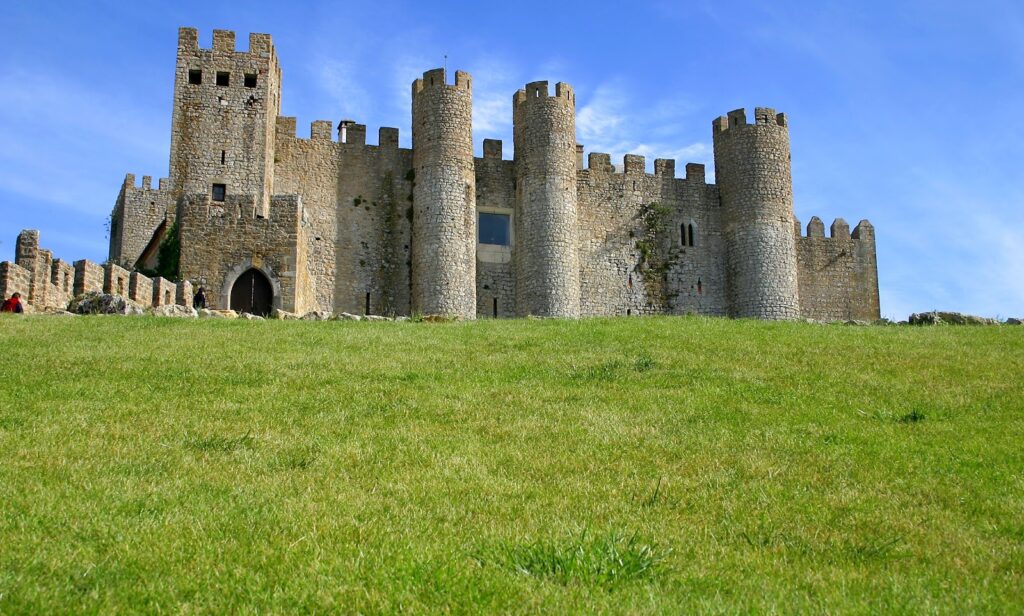
Begin your route within the fourteenth-century walls of Obidos. Gifted by King Dinis to Queen Isabel of Aragon in the late thirteenth century, the town preserves its whitewashed residences adorned with bougainvillea and cobalt blue borders. Enter through the Porta da Vila, where eighteenth-century glazed tiles illustrate the Passion of Christ, then stroll along Rua Direita toward the imposing stone castle, now functioning as a historic inn.
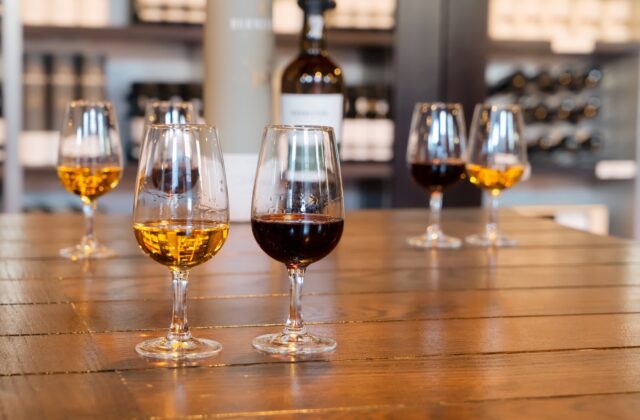
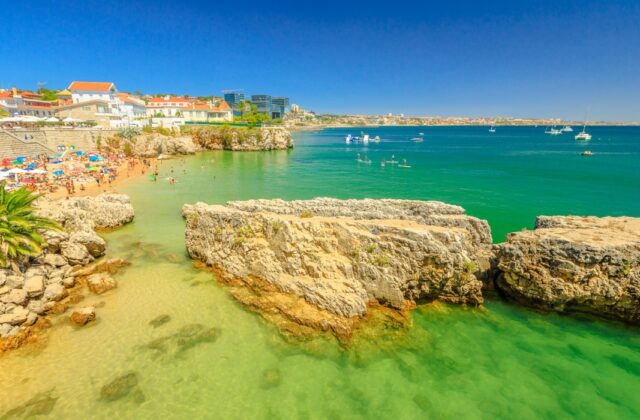
While exploring, sample a sip of Ginja de Obidos, a traditional sour cherry liqueur infused with sugar and cinnamon, served in tiny chocolate cups. In the afternoon, venture ten miles west to the Obidos Lagoon and the wide sandy shores of Foz do Arelho. Here, the salt water meets the Atlantic in a protected bay. The calm lagoon shallows contrast sharply with the pounding ocean breakers on the opposite side of the sand spit. Conclude the afternoon with a walk along the wooden cliffside footpaths of Foz do Arelho before dining on local sea bass or fresh cockles harvested directly from the lagoon.
Day Two: Peninsula Fortresses and Coastal Traditions in Peniche
On the second morning, head southwest to the rugged peninsula of Peniche, one of the country’s most active fishing harbors and a bastion of coastal heritage. Peniche sits on a block of Jurassic limestone surrounded by turbulent water. Visit the Fortress of Peniche, a sixteenth-century stronghold overlooking the Atlantic that later served as a political prison during the Salazar regime. Today, its municipal museum provides deep context on twentieth-century Portuguese history and maritime survival.
Continue past the historic center toward Cabo Carvoeiro, a dramatic headland featuring sea stacks and weathered limestone arches carved by ocean storms. For lunch, settle into an authentic harborside eatery to taste Caldeirada de Peniche, a rich fisherman stew prepared with layered onions, tomatoes, potatoes, dogfish, ray, and red gurnard, seasoned with bay leaf and regional white wine. In the late afternoon, watch local women practice the intricate art of bobbin lace, known as Rendas de Bilros, a craft passed down through generations while their families were out at sea.
Browse our travel inspiration for ideas, or tell us what kind of day you have in mind.
Day Three: Big Waves, High Cliffs, and Ancient Monasteries
Travel north on the third day to Nazare, a seaside settlement famous for both its deep seafaring culture and its towering winter waves. Begin at the Sitio, the clifftop promontory that looks down over the crescent-shaped beach. Visit the Santuario de Nossa Senhora da Nazare, a seventeenth-century pilgrimage church linked to the legend of Dom Fuas Roupinho, whose hunting horse was miraculously halted at the cliff edge through divine intervention.
From the Sitio square, follow the path out to the Sao Miguel Arcanjo Fort. Perched directly over the North Canyon, an underwater geological trench over sixteen thousand feet deep, this lighthouse fort showcases how unique ocean topography generates monster surf during winter storms. In the afternoon, shift inland to Alcobaca to visit the Monastery of Santa Maria, founded by Afonso Henriques in 1153. Within the soaring Cistercian abbey, pay respects at the ornate gothic tombs of King Pedro I and Ines de Castro, whose tragic fourteenth-century love story remains one of the foundational narratives of Portuguese history.
Day Four: Coastal Heritage in Sao Martinho and Caldas Ceramics
Dedicate your final day to the hidden bays and artistic traditions that define the Silver Coast interior. Start your morning at Sao Martinho do Porto, a nearly circular natural bay sheltered from the open Atlantic by a narrow channel between two rocky cliffs. The tranquil water here creates an ideal setting for an unhurried morning walk along the waterfront promenade, pausing for an espresso and a slice of Queijada de Sao Martinho, a sweet cheese pastry typical of the town.
Travel slightly inland for the afternoon to Caldas da Rainha, a city founded around thermal springs by Queen Leonor in the late fifteenth century. Explore the daily fruit and vegetable market in Praca da Republica, where local growers sell regional produce, honey, and fresh cheeses beneath striped umbrellas. Nearby, the Museu de Ceramica and the Bordallo Pinheiro factory store highlight the whimsical, naturalistic ceramic work that put Caldas on the international map. Because daily opening hours and local market schedules vary, a local driver and guide can shape the day around the guests, ensuring your transition between inland historic sites and coastal lookouts feels seamless from start to finish.
Plan your own day
Share your dates, group size and interests, and we will suggest a tailored plan with a local driver/guide.