
Lisbon looks compact on a map, but its hills, waterfront neighborhoods and nearby palace country reward thoughtful planning. These six surprises help American travelers build a comfortable five-day stay without turning every outing into a checklist.
1. A short walk can involve a surprisingly steep climb
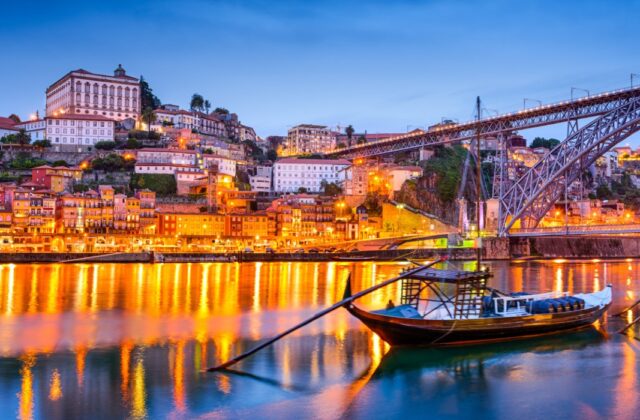
Americans accustomed to walking through Paris or central Madrid may underestimate Lisbon’s terrain. Baixa occupies relatively level ground, but Alfama, Chiado and the castle district rise above it. A restaurant that looks close to your hotel may sit up several steep streets, sometimes paved with polished limestone that becomes slippery when wet. For arrival day, keep the route gentle: start at Praça do Comércio beside the Tagus, follow Rua Augusta through the downtown grid, and finish around Rossio. Much of this district reflects the rebuilding that followed the earthquake, tsunami and fires of 1755.
Save the castle hill for your first full morning. Arrange the highest practical vehicle drop-off, then explore downhill through Alfama toward the cathedral, allowing for steps and uneven surfaces. Vehicles cannot reach every doorway in the old quarters. Supportive shoes matter more than dressy footwear, and families or retirees should plan seated breaks rather than judge the day’s effort by mileage alone.
2. The famous tram is not always the easiest way around
Tram 28 is a working public transport service, not a sightseeing ride with reserved seats. Its historic cars pass through appealing neighborhoods, but queues and crowded interiors can make it an awkward centerpiece for a carefully paced day. If riding is important, choose a quieter period and treat it as one experience rather than your entire transport strategy. Lisbon generally feels approachable to visitors, but crowded trams and busy tourist areas warrant ordinary city precautions: keep phones and wallets secure, and avoid carrying valuables in an open bag.
On day two, combine the castle area, Alfama and the Portas do Sol viewpoint instead of repeatedly crossing town. English is widely spoken in visitor-facing businesses, although a few Portuguese greetings are appreciated. A local driver/guide can shape the day around the guests, adjusting walking stretches, lunch timing and pickup points. Portugal Magik’s Mercedes-Benz vehicles provide comfortable transfers between areas, while the narrowest historic lanes remain best explored on foot.
3. Lisbon’s riverfront deserves a day of its own
The broad water beside central Lisbon is the Tagus estuary, not the open Atlantic. That distinction helps explain the city’s geography and why Belém works better as a separate outing than as an extra stop after Alfama. Dedicate day three to this western district, starting with the Jerónimos Monastery. Commissioned under King Manuel I in the early sixteenth century, it connects Lisbon’s maritime history with elaborate Manueline architecture. Check current opening arrangements and book applicable admission ahead; sightseeing plans should not depend on walking straight into a major monument.
Follow with Pastéis de Belém, which has sold its celebrated custard pastries since 1837, then choose one substantial afternoon visit. The National Coach Museum suits travelers interested in ceremonial vehicles and craftsmanship; MAAT offers art, architecture and a riverside setting. Leave time to look across the water rather than rushing between every attraction. Belém’s monuments are spread out, and railway tracks and major roads mean waterfront access is not always a simple straight-line walk.
Browse our travel inspiration for ideas, or tell us what kind of day you have in mind.
4. Good value does not mean American restaurant conventions
Lisbon can offer attractive value for food and Portuguese wine, particularly outside the most heavily visited squares. However, it is not automatically cheaper than every destination in Spain, France or Italy, and location matters. One small surprise is the couvert: bread, olives, cheese or other starters brought to the table may be charged if you accept and eat them. Ask what is included, decline what you do not want, and check the menu. Tipping is appreciated for good service, but the customary American percentage is not an automatic expectation.
Build meals into the geography of each day. After exploring Baixa and Chiado, look for bacalhau à Brás, shredded salt cod mixed with eggs and thin fried potatoes, or grilled fish with straightforward accompaniments. Sardines are especially associated with summer and Lisbon’s June festivities, so do not make them a year-round requirement. For dinner, reservations help at sought-after restaurants, and Americans who prefer eating early should confirm service times. Ask for Portuguese wines by the glass to compare regions without committing to several bottles.
5. Sintra is close, but it is not a quick palace stop
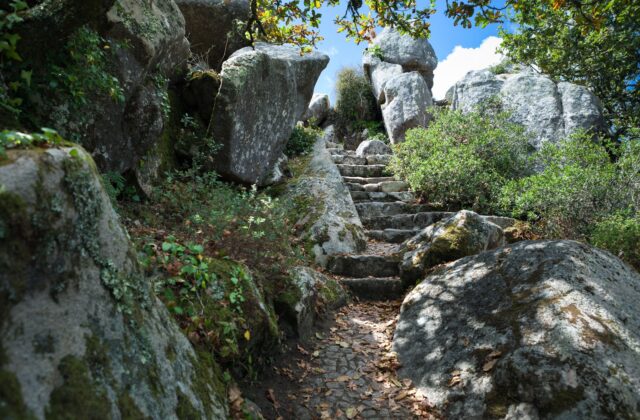
Day four belongs to Sintra, but resist combining every palace with an ambitious coastal circuit. The town lies roughly 30 kilometers west of Lisbon, yet traffic, restricted roads, timed admissions and uphill approaches make distance a poor measure of effort. Pena Palace occupies a wooded hilltop above town; reaching its interiors involves more than arriving at a roadside entrance. Choose a timed visit and allow for the access arrangements stated on your ticket. The hilltop can also be cooler, wetter and windier than central Lisbon.
For a balanced first visit, pair Pena with lunch and time in the historic center, including a travesseiro, the flaky almond-filled pastry associated with Sintra. Alternatively, combine the National Palace of Sintra with Quinta da Regaleira, whose gardens include the famous Initiation Well. Regaleira still involves slopes, steps and uneven ground. Choose according to your interests and mobility rather than reputation alone. Not driving yourselves removes parking concerns, but it does not remove the need to leave breathing room between visits.
6. An Atlantic day works best when you leave room for it
Keep day five for Cascais instead of treating it as a compulsory finale to Sintra. This former fishing settlement became a royal seaside retreat in the nineteenth century, and its compact center rewards an unhurried walk around the harbor and nearby streets. Pair the town with the Casa das Histórias Paula Rego, checking opening days before committing, or continue to Boca do Inferno for views of the rocky shore. A seafood lunch gives the day a natural midpoint without requiring another major attraction.
Cascais is roughly 30 kilometers west of Lisbon, but travel time depends on traffic and route. Guincho offers a wilder Atlantic setting nearby, although wind and surf mean it should not be treated as a reliably calm swimming beach. For couples, families and retirees alike, the strongest Lisbon itinerary is often the simplest: two central-city days, one in Belém, one in Sintra and one by the coast. Leave enough space to enjoy the places between the reservations.
Plan your own day
Share your dates, group size and interests, and we will suggest a tailored plan with a local driver/guide.