Porto combines a walkable historic core, Atlantic seafood and vineyard country without requiring a new hotel every night. Here is how to turn its unexpected strengths into a well-paced five-day stay.
1. The historic center rewards a slower first day
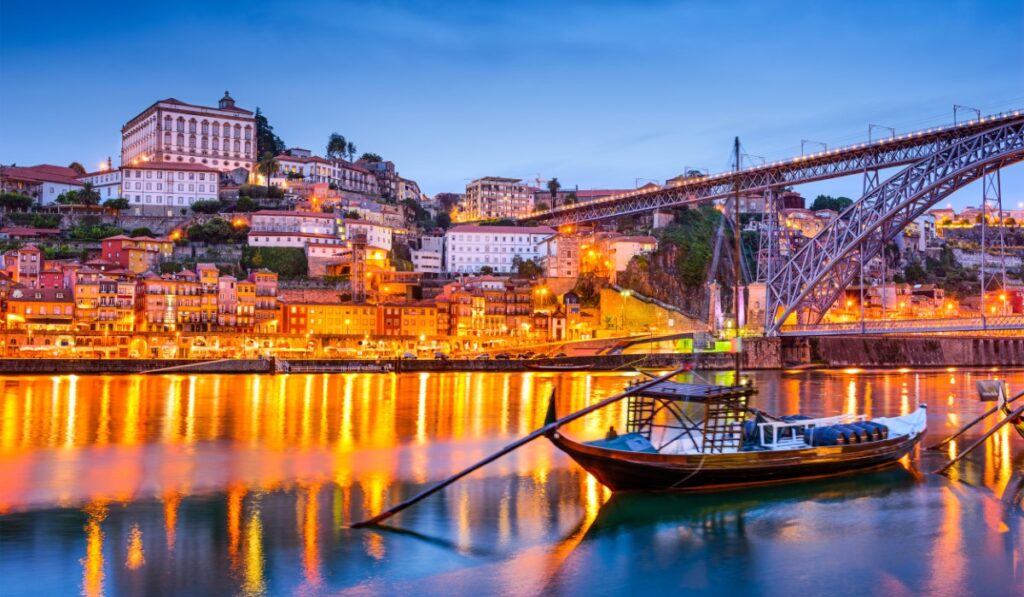
Americans accustomed to dividing European cities into separate sightseeing districts often find Porto pleasantly concentrated. São Bento station, the cathedral and the Ribeira waterfront fit into one coherent route, although the hills make distances deceptive. Start your first full morning at São Bento, where Jorge Colaço’s tile panels depict episodes from Portuguese history and scenes of rural life. Continue uphill to the cathedral, then descend through the older streets toward the Douro. Porto’s historic center is UNESCO-listed, but its appeal also lies in the ordinary shops, laundry balconies and neighborhood cafés between monuments.
Resist adding every major interior on arrival day. Choose either the gilded church of São Francisco or a guided visit to the Palácio da Bolsa, then leave room for lunch beside the river. Comfortable shoes matter on steep, sometimes slippery paving. For retirees or families, arranging a pickup after the waterfront walk avoids turning a rewarding downhill route into a tiring climb back.
2. English makes settling in easier than expected
English is widely spoken in Porto’s hotels, visitor attractions and restaurants serving international travelers, making the first couple of days relatively straightforward. It is not universal, particularly in small neighborhood businesses, and a greeting in Portuguese is appreciated. On day two, pair the restored Mercado do Bolhão with nearby Rua de Santa Catarina. Bolhão remains a food market as well as a visitor destination, so go during trading hours rather than expecting an evening market. Check its current schedule, especially around Sundays and holidays.
For Americans weighing ease and safety alongside sightseeing, Porto supports a relaxed approach without eliminating ordinary city precautions. Keep bags close in crowded areas and avoid leaving valuables visible in vehicles. Lunch can introduce the francesinha, a substantial sandwich layered with meat, covered in melted cheese and served with a hot tomato-and-beer-based sauce that varies by kitchen. It is better treated as the main event than as a snack before another large meal.
3. Port wine becomes a story about two riverbanks
Many visitors arrive expecting wine cellars in Porto itself, then discover that the best-known historic lodges stand across the Douro in Vila Nova de Gaia. Reserve the afternoon of day two for one lodge visit rather than several consecutive tastings. Graham’s, Taylor’s and Sandeman offer different settings and visitor experiences, with advance booking advisable. The distinction is worth understanding: port comes from the Douro wine region inland, while Gaia developed as an important center for aging and shipping it, closely connected to British merchant history.
Cross the lower deck of the Luís I Bridge for the riverside route, or use the upper level for broad views, remembering that it also carries Metro trains. Ask your chosen lodge about stairs, walking distances and provisions for children before booking. A tasting that compares ruby and tawny styles gives newcomers a useful foundation. Finish with dinner in Gaia or return to Porto, rather than squeezing a vineyard excursion into the same day.
Browse our travel inspiration for ideas, or tell us what kind of day you have in mind.
4. A coastal afternoon changes the whole character of the trip
Porto is not only granite streets and river views. Give day three to its Atlantic side, beginning with the gardens and contemporary art at the Serralves estate before continuing toward Foz do Douro. This combination provides welcome breathing room after two days in the historic center. Serralves deserves several hours if you want both exhibitions and grounds; check what is included in your admission. At Foz, walk beside the ocean around the Pérgola da Foz, adjusting the distance to the wind and weather.
Continue to Matosinhos for grilled fish, choosing a restaurant around Rua Heróis de França, where seafood is central to the neighborhood’s identity. Ask what is available that day and confirm whether fish is priced by weight before ordering. Sardines are a seasonal choice, not a year-round certainty. The coastal stops are close geographically, although urban traffic affects transfers. Ocean conditions can be rough, so plan this as a promenade-and-seafood day rather than assuming a swimming afternoon.
5. The Douro is close enough to combine, but deserves its own day
The transition from Porto to terraced vineyards is one of northern Portugal’s strongest surprises. Allow roughly two hours to reach Peso da Régua by road, depending on traffic and your starting point, with longer journeys to estates farther east. For day four, build the outing around one booked vineyard visit and a proper lunch. The Douro became a demarcated wine region in 1756, and its landscape explains why producing wine here involves considerably more than a picturesque harvest.
Choose the route around the estate rather than collecting distant viewpoints. Régua and Pinhão can work together, but adding multiple winding detours makes a long day longer. The N222 between them offers river scenery without needing to chase every celebrated overlook. A local driver/guide can shape the day around the guests, allowing time for photography, a leisurely meal or an earlier return. Portugal Magik’s Mercedes-Benz vehicles provide a comfortable way to make the journey without anyone in the group having to drive after tasting.
6. Value comes from a coherent itinerary, not just lower bills
Compared with a trip built around Paris, the Amalfi Coast or Barcelona, Porto can offer appealing value, particularly when you compare neighborhood restaurants and Portuguese wines rather than only landmark addresses. It is not uniformly cheaper than France, Italy or Spain: season, hotel category and restaurant choices matter. The practical advantage is being able to combine city history, oceanfront meals and wine country from one base. Fewer hotel changes mean less packing and more usable time, especially for families and couples who prefer unhurried mornings.
Keep day five flexible. Book Livraria Lello ahead if its elaborate interior interests you, allowing for crowds, or return to Bolhão for edible souvenirs and a final café stop. Avoid scheduling a distant excursion before a flight. Porto works best when the itinerary leaves space between its highlights: two city days, a coastal day, a Douro day and a gentle finish make a satisfying introduction.
Plan your own day
Share your dates, group size and interests, and we will suggest a tailored plan with a local driver/guide.