Portugal rewards travelers who want cultural depth without making every day a logistical project. Build a nine-day journey around walkable neighborhoods, manageable transfers and welcoming places to eat, with sensible precautions along the way.
1. Lisbon makes the first two days easy to navigate
Start with two nights in Lisbon rather than collecting a rental car after an overnight flight. English is widely spoken in hotels, major visitor attractions and many central restaurants, which helps Americans settle in without losing the pleasure of being somewhere different. A few Portuguese greetings still go a long way. Spend arrival afternoon around Praça do Comércio and the lower streets of Baixa, then save hillier Alfama for the following morning. Baixa’s orderly layout reflects the rebuilding after the 1755 earthquake, making this an unusually legible starting point for an old European capital.
Feeling comfortable should not mean switching off ordinary city awareness. Keep phones and wallets secure on crowded trams, particularly the popular number 28, and avoid leaving bags hanging from café chairs. Portugal is not crime-free, and tourist areas attract pickpockets. For a gentler second afternoon, head to Belém for the Jerónimos Monastery and a custard tart at Pastéis de Belém. Check opening arrangements before committing to interior visits, and leave room for a seated lunch rather than racing between monuments.
2. Sintra and Cascais offer variety without another hotel move
Use day three for Sintra, returning to your Lisbon hotel that evening. The journey from central Lisbon commonly takes around 40 to 60 minutes by road, depending on traffic and your destination, although reaching individual monuments involves additional time. Choose one major interior, such as the National Palace of Sintra, whose distinctive twin chimneys rise above the historic center. Its royal rooms and tilework provide substantial history without the approach required for hilltop Pena Palace. Even here, expect steps and uneven surfaces rather than assuming every palace is straightforward for limited mobility.
If everyone still has energy, continue to Cascais for a waterfront walk before returning to Lisbon. Otherwise, stay in Sintra for lunch and try a travesseiro, the town’s puff-pastry sweet with almond filling. A local driver/guide can shape the day around the guests, adjusting the balance of palace rooms, walking and time at the table. That flexibility is reassuring for families and mixed-generation parties, especially when jet lag makes an ambitious schedule less appealing.
3. Central Portugal breaks a northbound journey into manageable pieces
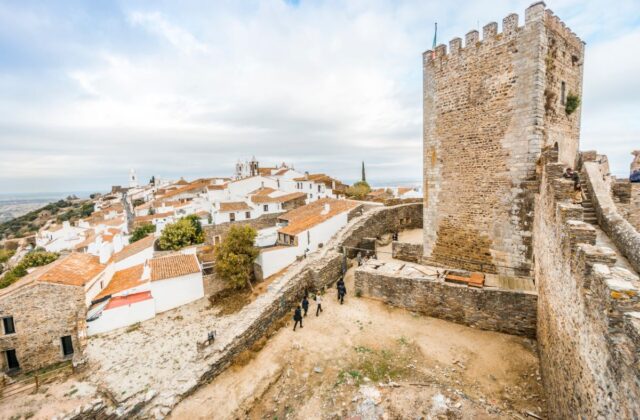
On day four, travel from Lisbon to Coimbra with a stop in Óbidos. Allow roughly an hour to reach Óbidos and about another two hours to Coimbra, before accounting for traffic and sightseeing. Inside the medieval walls, whitewashed houses and narrow lanes make a rewarding contrast to the capital. The town has a long association with Portugal’s queens, traditionally traced to King Dinis’s gift to Queen Isabel. Walk the streets below the ramparts if heights or uncertain footing are concerns: sections of the wall walk have exposed edges and are not a casual family playground.
This is where not driving yourself becomes a practical benefit rather than simply a comfort. You avoid navigating old-town approaches, finding parking and managing luggage during sightseeing stops. Portugal Magik provides private driver and guided touring services in Mercedes-Benz vehicles, allowing the transfer itself to become part of the itinerary. Keep valuables with you whenever you leave any vehicle. Arrive in Coimbra with enough time to check in and have dinner, rather than adding another town merely because it appears nearby on the map.
Browse our travel inspiration for ideas, or tell us what kind of day you have in mind.
4. Coimbra rewards a slower day with clear priorities
Give Coimbra day five, with a second night in the same hotel. The university, founded in 1290 and permanently established in Coimbra in 1537, supplies a strong historical anchor. Reserve the appropriate university visit ahead if the Joanina Library is a priority, since access follows timed arrangements. Start high in the university quarter and work downhill toward the lower town, using a vehicle for the initial climb if needed. This simple direction of travel can make a substantial difference for retirees or anyone protecting tired knees.
Portugal’s welcome is often most apparent when the schedule leaves time for ordinary exchanges: asking about a pastry, discussing a menu or returning to the same café. English is less universal in small neighborhood businesses than at major attractions, so keep a translation app available. Comfortable pacing also means acknowledging cobbles, steep streets and slippery polished paving after rain. Shoes with grip are more useful than an extra formal outfit, and one substantial visit followed by a long lunch usually beats three hurried admissions.
5. Porto makes food and wine approachable without requiring a grand occasion
Travel to Porto on day six, allowing around 90 minutes to two hours from Coimbra, and stay for two nights. Begin with São Bento station’s tiled entrance hall and a walk toward the river, keeping the uphill return in mind. On day seven, pair Porto’s historic streets with a booked port lodge visit across the Douro in Vila Nova de Gaia. Guided tastings commonly have English-language options, making it easier to understand the difference between ruby and tawny rather than ordering blindly.
For Americans comparing budgets with France, Italy or Spain, Portugal can offer good value, particularly through neighborhood restaurants and regional wines. It is not automatically cheaper in every category, especially at sought-after hotels. Try grilled fish or Porto’s substantial francesinha sandwich, and ask about portion sizes before ordering for children. Bread, olives and other couvert items brought to the table are generally charged if consumed; decline anything unwanted. Menus and a quick conversation remove uncertainty, while a modest lunch leaves room for a more leisurely dinner.
6. The Douro lets the final days feel settled rather than remote
Finish with nights eight and nine near Peso da Régua or Pinhão. Porto to Régua generally takes around 90 minutes to two hours; continuing toward Pinhão adds time on winding roads. The Douro’s demarcated wine region dates to 1756, and its terraced slopes explain why vineyard visits deserve more than a quick tasting stop. Book one estate visit each day, confirm that it is offered in English and arrange transport so nobody needs to drive after drinking.
Choose accommodation with convenient dining or plan restaurant transfers in advance, since vineyard properties are not necessarily within walking distance of a village. Save Portugal’s emergency number, 112, and carry travel insurance details and essential medication. These are sensible preparations, not reasons for anxiety. The strongest finish is an unhurried one: a vineyard morning, a regional lunch and time to enjoy the view. Portugal feels most welcoming when the itinerary leaves enough space to notice it.
Plan your own day
Share your dates, group size and interests, and we will suggest a tailored plan with a local driver/guide.