From Atlantic-grown Colares to aged tawny Port, Portugal rewards travelers who connect the glass to the landscape. Build these eight wine stops into roughly twelve days, with time for historic towns, regional lunches and unhurried tastings.
1. Colares, an Atlantic wine worth a day outside Lisbon
Begin with two nights in Lisbon, using your first full day for Sintra and nearby Colares. Ramisco produces firm, distinctive reds here, while Malvasia de Colares makes characterful whites. The region’s traditional sandy vineyards sheltered ungrafted vines from phylloxera, the pest that devastated European vineyards in the nineteenth century. This is a small appellation with a story quite different from the familiar estates of Bordeaux or Tuscany.
Arrange a tasting with Adega Regional de Colares, confirming visiting arrangements ahead. Choose one Sintra monument rather than attempting every palace, then continue west for wine and an Atlantic fish lunch. Older Ramisco can be especially revealing, so ask what mature bottles are available. Keep Lisbon as your base rather than moving hotels after the first outing.
2. Moscatel de Setubal, a sweet wine beside a scenic southbound route
On day three, leave Lisbon for Azeitão, usually around forty-five minutes to an hour away before traffic and stops. José Maria da Fonseca, founded in 1834, offers a useful introduction to Moscatel de Setúbal at its historic house museum. This fortified wine is known for citrus peel, floral aromas and, with age, richer nutty notes. It deserves attention even if you normally skip dessert wines.
Combine the visit with buttery Queijo de Azeitão and lunch in Setúbal, where choco frito, fried cuttlefish, is a local specialty. Continue to Évora for two nights, allowing roughly another two hours from Setúbal. A local driver/guide can shape the day around the guests, adjusting the balance between tasting, lunch and scenery without anyone needing to drive after wine.
3. Alentejo reds, a generous introduction from an Evora base
Spend day four exploring the Alentejo through blends containing Aragonez, Trincadeira and Alicante Bouschet. Aragonez is the Portuguese name used here for Tempranillo, offering Americans a familiar reference point from Spain. Alicante Bouschet, unusually, has red flesh as well as dark skins and contributes deep color. Expect variation between producers rather than assuming every Alentejo red will be heavy or high in alcohol.
Book Cartuxa for a tasting close to Évora, then leave time for the Roman temple and cathedral. Lunch might feature black pork or lamb, both natural partners for the region’s reds. Travelers comparing costs with France or Italy can explore local producers rather than paying mainly for internationally famous labels. Compare actual menus and tasting options, since prestigious bottles and elaborate visits can still be expensive.
Browse our travel inspiration for ideas, or tell us what kind of day you have in mind.
4. Bairrada Baga and sparkling wine, a delicious pause near Coimbra
Make day five a transfer day from Évora to Coimbra, allowing approximately three and a half to four hours of driving before breaks. Stay two nights so Bairrada becomes a proper excursion on day six, not a tasting squeezed between highways. Around Mealhada and Anadia, Baga is the signature red grape, capable of producing structured wines with lively acidity and considerable aging potential.
Bairrada also makes excellent traditional-method sparkling wine. Pair a dry example with leitão da Bairrada, the region’s crisp-skinned roast suckling pig, at lunch in Mealhada. Arrange a producer visit around Anadia, such as Aliança, checking which wines the booked tasting includes. One winery and a substantial lunch leave room for Coimbra’s riverside streets, especially welcome when traveling with children or companions less interested in wine.
5. Dao Encruzado, a white wine that deserves more American attention
On day seven, travel from Coimbra toward Viseu and spend a night in the Dão region. Encruzado is the white grape to seek out: it can combine citrus freshness, texture and the ability to develop in bottle. For Americans accustomed to ordering Chardonnay automatically, it provides a useful comparison without being a direct substitute. Ask whether the wine was fermented or aged in oak.
Quinta dos Carvalhais, near Mangualde, is one established estate to investigate for a prearranged visit. Taste a Dão red alongside the white to understand how Touriga Nacional contributes perfume and structure here. Afterwards, explore Viseu’s cathedral quarter. Keep the afternoon flexible rather than adding another distant estate; vineyard visits, rural approaches and lunch often take longer than the map suggests.
6. Douro table wines, two nights among the terraces
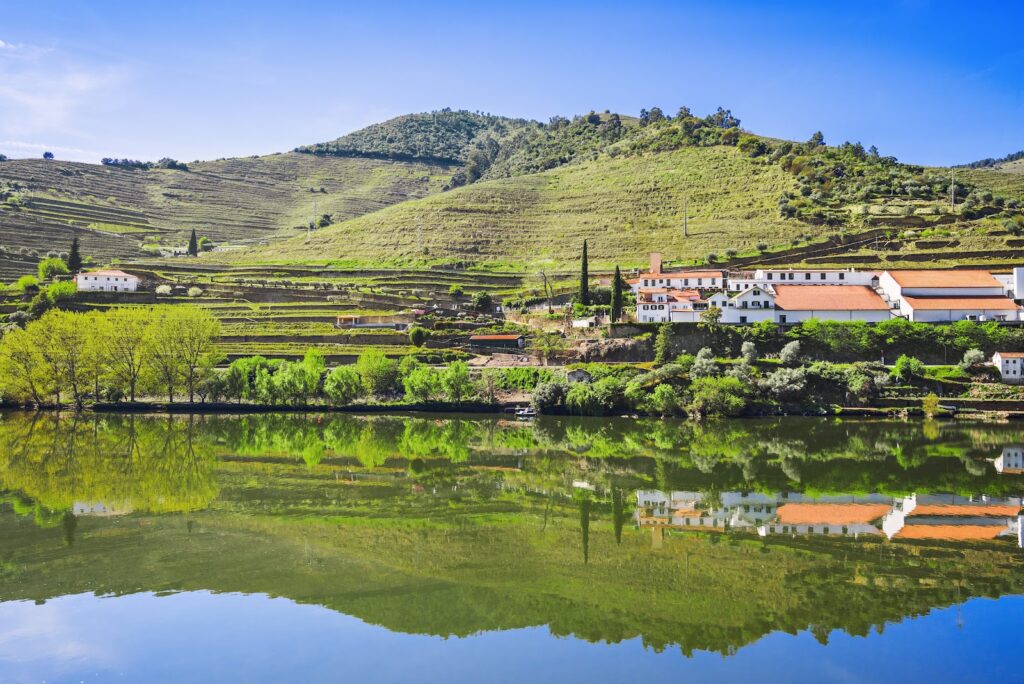
Continue on day eight to the Douro, allowing roughly two hours from Viseu to Pinhão, depending on the route. Stay two nights and devote day nine to the valley. Dry Douro reds often combine grapes also used for Port, including Touriga Nacional, Touriga Franca and Tinta Roriz. Tasting these wines before fortified examples helps clarify that the region is not devoted solely to sweetness.
Quinta do Bomfim in Pinhão offers estate visits; check the selected tasting if dry wines are your priority. Pair a red with roast kid when available, and include a Douro white for contrast. Pinhão’s station tile panels depict vineyard work and the wine trade. Winding roads make modest distances slow, so one substantial estate visit per day can be enough.
7. Aged tawny Port, best understood across the river from Porto
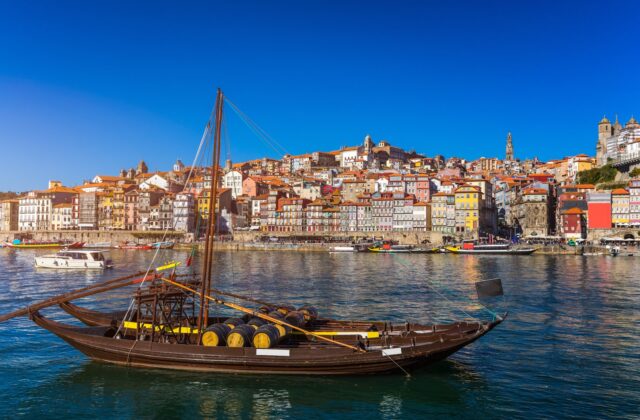
Travel to Porto on day ten and stay three nights. Across the Douro in Vila Nova de Gaia, historic lodges explain the wine’s aging and trading history. British merchants helped shape the Port trade, while the Douro wine region was demarcated in 1756. Book a lodge such as Graham’s or Taylor’s rather than relying on walk-in availability.
Compare a 10-year-old and a 20-year-old tawny: the age indication describes an age-related style rather than a single harvest. Walnuts or a restrained dessert make useful accompaniments. Reserve the following morning for Porto itself, keeping steep streets and cobbles in mind when planning walks.
8. Vinho Verde Alvarinho, a fresh finale in Minho
Use day twelve for a northern excursion to Monção or Melgaço, allowing around two hours each way from Porto. Seek Alvarinho from the Monção e Melgaço subregion. Vinho Verde does not simply mean fizzy young white wine: these examples can be still, concentrated and ageworthy. Confirm an appointment with a producer such as Soalheiro in Melgaço, and keep lunch close to the estate.
English is commonly available at established visitor-facing wineries, but request an English-language tasting when booking. Portugal Magik’s private tours in Mercedes-Benz vehicles let you connect these regions without driving yourself. The best finish is not another hurried tasting, but a final lunch and time to decide which bottles deserve space in your suitcase.
Plan your own day
Share your dates, group size and interests, and we will suggest a tailored plan with a local driver/guide.