
Lisbon looks compact on a map, but its hills, neighborhood rhythms and nearby Atlantic coast reward thoughtful planning. Build a five-day stay around these surprises, with time for history, good meals and an unhurried change of scenery.
1. A short walk can involve a serious climb
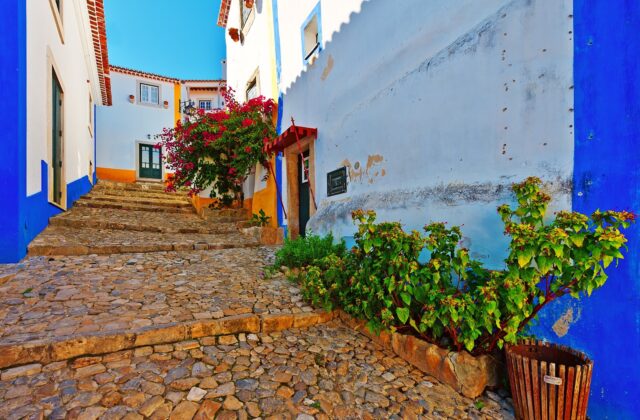
Americans accustomed to walking all day in Paris or Rome sometimes underestimate Lisbon’s gradients. Baixa occupies relatively level ground, while Alfama, Graça and Bairro Alto rise above it. Traditional limestone paving, called calçada portuguesa, can become slippery when wet. For arrival day, combine Praça do Comércio, Rua Augusta and Rossio rather than immediately attempting every famous viewpoint. Wear shoes with traction, even if your plans mostly involve cafés and museums.
On day two, start higher up near São Jorge Castle and work downhill through Alfama toward the river. Some lanes still involve steps, and vehicles cannot reach every doorway. Portugal Magik’s Mercedes-Benz vehicles make transfers between districts comfortable, while a local driver/guide can shape the day around the guests, adjusting walking distances and breaks rather than treating every hill as compulsory.
2. The grand downtown is younger than it looks
Lisbon is an old city, but much of its orderly downtown emerged after the earthquake, tsunami and fires of November 1, 1755. The reconstruction associated with the Marquis of Pombal gave Baixa its regular streets and distinctive buildings. Understanding that history makes the contrast with Alfama’s winding lanes much more interesting than simply collecting photographs of tiled facades.
Use your first afternoon to connect Praça do Comércio with Rossio, then save the roofless Carmo church for a separate Chiado visit. Its surviving Gothic arches make the earthquake’s impact tangible. This also creates a sensible division of effort: level downtown exploration after an overnight flight, followed by hillier neighborhoods once everyone has slept. Couples can linger over coffee in Chiado; families can keep the history stop short and visual.
3. English helps enormously, but small courtesies still matter
English is widely spoken in Lisbon’s visitor-facing hotels, restaurants and attractions, making the city approachable for Americans who do not speak Portuguese. It is not universal, particularly in smaller neighborhood businesses. A greeting such as bom dia, meaning good morning, is an easy way to begin. Lisbon is generally comfortable to explore with normal city precautions, but crowded trams and busy tourist areas require attention to wallets and phones.
Do not build day two around boarding Tram 28 at a particular moment. This is working public transportation, not a reserved sightseeing service, and queues can consume useful time. Walk manageable portions of Alfama instead, pairing the cathedral area with the Portas do Sol viewpoint. If you want an evening of Fado, reserve an established venue and expect to listen quietly during performances.
Browse our travel inspiration for ideas, or tell us what kind of day you have in mind.
4. Dinner comes later, and the bread is not necessarily free
An American dinner at six can feel early in Lisbon, especially away from the busiest visitor streets. Many restaurants become livelier later in the evening, although opening hours vary. Bread, olives or cheese placed on the table are usually a charged couvert if consumed, not automatically complimentary. Ask before accepting them, and check whether fish is priced by portion or weight.
After your Alfama day, choose dinner near your hotel rather than crossing the city again. Look for bacalhau à Brás, shredded salt cod with fine potatoes, eggs and onions, or grilled fish when available. Sardines are particularly associated with the warmer months and June festivities. A modest tip for good service is appreciated; the standard American percentage is not an automatic expectation. Long lunches can also suit families better than late dinners.
5. Belem deserves a day, not a quick pastry detour
Belém lies west of the central sightseeing districts, so group its attractions on day three rather than repeatedly traveling back and forth. Begin with a reserved visit to the Jerónimos Monastery, checking current access arrangements before booking. Its Manueline stonework belongs to the era of Portugal’s maritime expansion. The church contains the tombs of Vasco da Gama and poet Luís de Camões.
Follow with Pastéis de Belém, whose bakery dates to 1837, then choose one additional focus: the National Coach Museum for ceremonial vehicles, or the waterfront and exterior of Belém Tower. Check monument opening information rather than assuming access. The monastery and tower belong to a history of exploration, commerce, empire and exploitation. Leaving space to consider that context produces a richer day than racing between landmarks.
6. Sintra is close, but it is not a casual extra stop
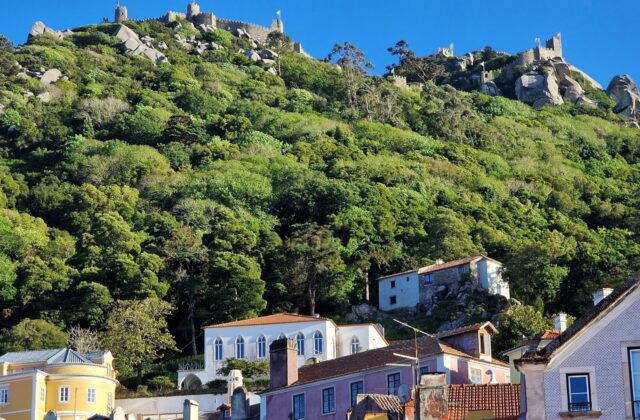
Sintra can look like an easy addition to any Lisbon afternoon. In practice, traffic, winding roads, restricted vehicle access and timed palace admissions make it worth dedicating day four to the hills. Pena Palace is a nineteenth-century Romantic creation associated with King Ferdinand II, not a medieval fortress. Its elevated setting can also be cooler and mistier than central Lisbon.
Reserve carefully and allow for the transfer and uphill approach between the park entrance and palace. Pair Pena with lunch and a walk in Sintra’s historic center, or choose the National Palace and Quinta da Regaleira for a different emphasis. Trying to include every major property usually undermines the pleasure. For retirees or families with younger children, fewer interiors and a proper seated lunch are often the better combination.
7. The nearby coast is Atlantic, not Mediterranean
For day five, give Cascais its own outing rather than attaching it to an already crowded Sintra itinerary. In lighter traffic, the drive from central Lisbon can take roughly forty minutes, but congestion changes that considerably. Explore the historic center and fishing harbor, then choose between the sheltered town beaches and the more exposed scenery around Guincho.
Sunshine does not guarantee warm swimming water. Atlantic conditions can feel brisk even in summer, and Guincho is often windy with strong surf. Follow beach flags and lifeguard advice. A coastal lunch and time beside the water may be more appealing than a full beach day. Cabo da Roca adds dramatic cliffs, but it also adds driving and should be a deliberate choice.
8. The best value often comes from doing less
Travelers comparing Lisbon with France, Italy or Spain should assess the whole itinerary rather than assume everything will cost less. Central hotels, sought-after restaurants and major attractions can be expensive. Neighborhood lunches and Portuguese wines can offer appealing value, but compare actual menus and dates. Try a Dão red or a white from the Lisbon wine region rather than limiting every order to familiar international grapes.
A well-paced stay needs neither constant transfers nor a different hotel each night. Keep Lisbon as your base, group nearby sights and reserve the experiences that matter most. Five days with room for a second coffee, an unexpected shop or a longer lunch will reveal more of the city than five days spent catching up with an overfilled schedule.
Plan your own day
Share your dates, group size and interests, and we will suggest a tailored plan with a local driver/guide.