Portugal rewards a trip that connects cities, small towns and wine country without changing hotels every night. For American travelers, a private driver can make those connections simpler while leaving more time for the places themselves.
1. Arrival day can stay pleasantly uncomplicated
After an overnight flight from the United States, collecting a rental car is rarely the most appealing introduction to Portugal. Lisbon brings unfamiliar junctions, steep streets and parking restrictions before you have adjusted to the time difference. A prearranged pickup lets you reach your hotel without learning the road system on your first morning.
Keep that first day modest: leave your bags, have lunch near the hotel and explore Baixa or the riverfront on foot. Portugal Magik provides private driver and guided touring services in Mercedes-Benz vehicles, useful for couples or families wanting one coordinated arrival rather than several separate arrangements.
2. You can use a car where it helps, not everywhere
A sensible Lisbon stay combines walking time with selected vehicle transfers. Allow a full day for the historic center, then another for Belém, where the Jerónimos Monastery reflects the wealth and ambition of Portugal’s maritime expansion. Nearby, Pastéis de Belém has made its famous custard pastries since 1837.
A driver is especially useful for connecting your hotel with Belém or reaching viewpoints without stacking several uphill walks into one afternoon. That does not mean door-to-door access at every monument. Pedestrian streets and access restrictions still apply, so comfortable shoes remain essential even on a privately driven trip.
3. Sintra becomes a planned day rather than a parking exercise
Use your third day for Sintra, generally around 40 minutes from central Lisbon before traffic. The colorful Pena Palace sits above town, while Quinta da Regaleira offers gardens, tunnels and its celebrated Initiation Well. Both deserve time; adding every palace usually produces a rushed checklist.
Sintra’s narrow roads, controlled access and busy parking areas make independent driving less straightforward than the distance suggests. A local driver/guide can shape the day around the guests, favoring one palace and a relaxed lunch or two substantial visits. Reserve timed admissions where required and remember that driving arrangements do not eliminate queues, walking or site-specific transport rules.
Browse our travel inspiration for ideas, or tell us what kind of day you have in mind.
4. Coastal stops fit naturally between longer visits
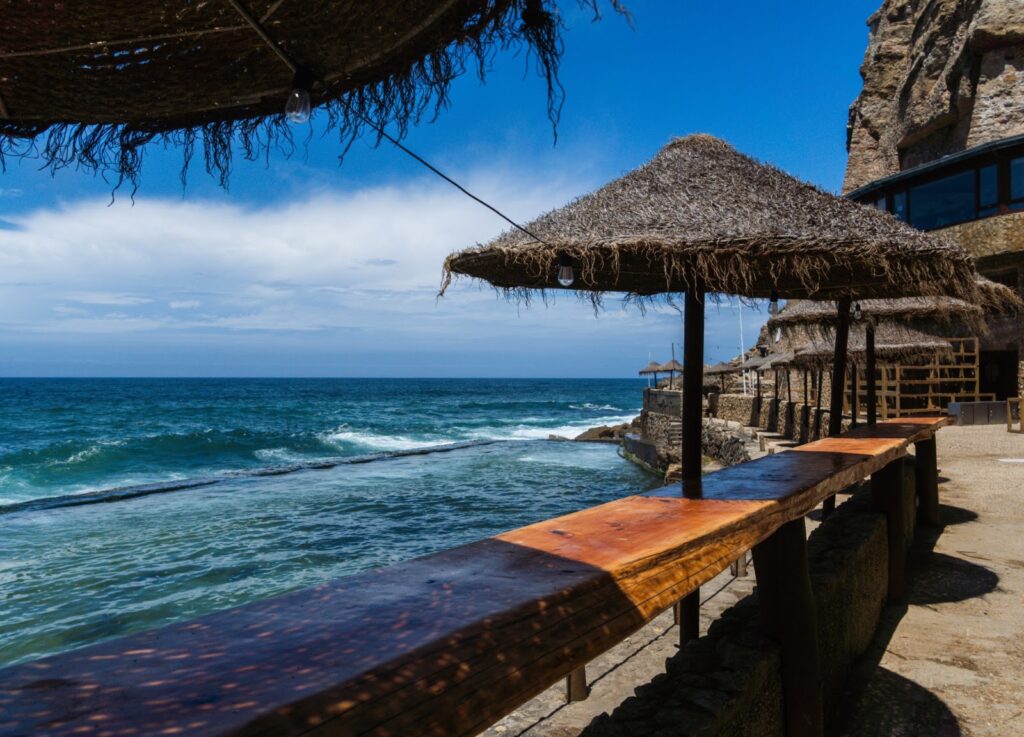
If the coast matters to you, give Cascais and Cabo da Roca their own day rather than squeezing them behind two Sintra palaces. Cabo da Roca marks continental Europe’s westernmost point, with exposed cliffs and often strong winds. Cascais offers a gentler afternoon around its fishing harbor, town beaches and pedestrian center.
A private vehicle makes this combination practical without coordinating several public transport connections. Allow time for grilled fish or arroz de marisco, the brothy Portuguese seafood rice, rather than treating lunch as a roadside necessity. Families can prioritize the beach in suitable weather, while couples might prefer a longer lunch and a waterfront walk.
5. The journey north can become part of the vacation
When leaving Lisbon for Coimbra or Porto, choose one or two meaningful stops instead of driving directly past central Portugal. Óbidos offers a compact walled center and whitewashed lanes. Farther north, Batalha’s monastery commemorates the Portuguese victory at Aljubarrota in 1385 and rewards an unhurried architectural visit.
Lisbon to Porto takes roughly three hours by road without stops or significant delays, but sightseeing turns it into a full travel day. Overnighting in Coimbra creates more breathing room. With a driver handling toll roads, navigation and parking, both travelers can enjoy the journey rather than assigning one person the entire day’s road responsibilities.
6. Smaller cities work without constant hotel changes
Spend two nights in Coimbra if university history and Roman archaeology appeal. Devote one day to the hilltop university and old town, booking the Joanina Library visit ahead and checking current admission arrangements. On the following morning, head to Conímbriga, south of Coimbra, for Roman mosaics and the remains of houses and baths.
This is where a driver adds something different from a straightforward intercity train. You can reach an outlying archaeological site, return for lunch and keep the same hotel room. For retirees or multigenerational families, separating demanding walks across two days can be more rewarding than combining Coimbra with several other towns.
7. Wine country does not require a designated driver
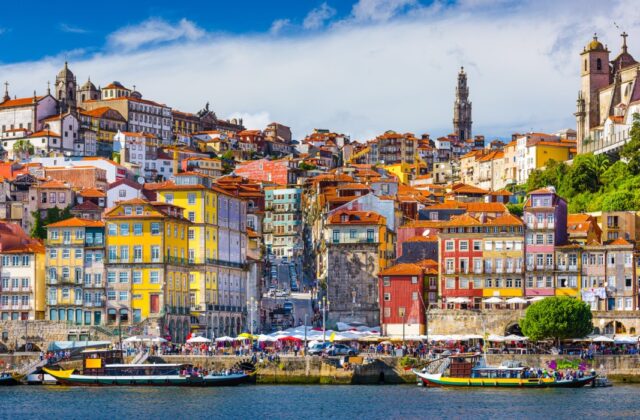
Continue to Porto for at least two nights, allowing time for Ribeira, São Bento station’s tile panels and a port lodge visit across the river in Vila Nova de Gaia. Then consider two nights in the Douro rather than trying to fit the whole valley into a hurried city excursion.
Porto to Pinhão generally takes around two hours by road, depending on the route and traffic. Vineyard roads can be winding, and estates are dispersed. A private driver lets both members of a couple participate in tastings without deciding who will abstain. Book estate visits ahead and leave space for lunch, scenery and the journey between appointments.
8. Communication and pacing become easier to coordinate
English is widely spoken in Portugal’s principal visitor destinations, although not universally in smaller communities. An English-speaking driver/guide provides continuity across hotel departures, restaurant stops and meeting points. That can be especially helpful when different family members have different interests or walking abilities.
Comfortable pacing also means realistic expectations about safety and access. Keep valuables secure in busy areas, take care on slippery stone paving and respect barriers at coastal viewpoints. A driver reduces the need to navigate unfamiliar roads yourself, but cannot remove every travel risk. Share mobility needs and child-seat requirements before booking so the itinerary and vehicle can be discussed properly.
9. The value lies in a better connected itinerary
Travelers comparing Portugal with France, Italy or Spain should assess the whole trip rather than assume every Portuguese expense will be lower. Hotels, dining and transport vary by season and location. Private driving is an additional cost, but it combines transfers and sightseeing time that might otherwise require separate bookings, rental arrangements and parking.
Ask Portugal Magik what your proposed service includes, including guiding, admissions, meals and any additional charges. Then spend where it improves the route: Sintra, a sightseeing transfer north or several days in the Douro. The strongest Portugal itinerary is not the one with the most stops, but the one that gives each stop enough time.
Plan your own day
Share your dates, group size and interests, and we will suggest a tailored plan with a local driver/guide.