Porto rewards travelers who look beyond a quick riverside stop. Build five or six days around its historic center, Atlantic neighborhoods, wine cellars and northern day trips, with time left for proper lunches.
1. A compact center can fill two days without feeling repetitive
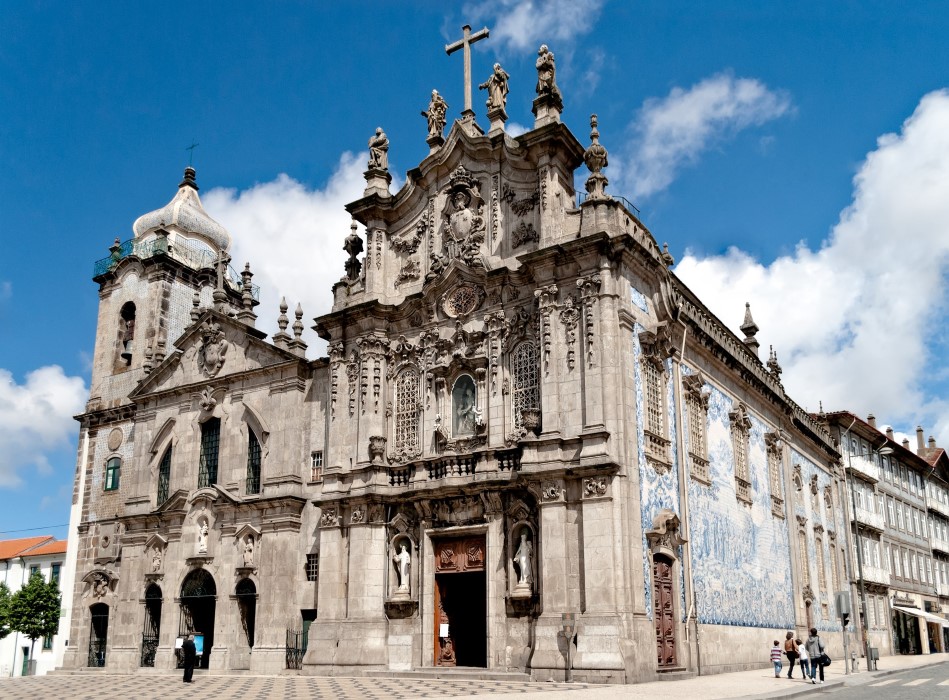
For Americans accustomed to covering several European capitals in one trip, Porto offers a useful surprise: fewer hotel changes need not mean less variety. Spend your first morning between São Bento station, with its historical tile panels by Jorge Colaço, and the cathedral above the river. Continue downhill toward Ribeira rather than repeatedly climbing back across town.
Save Clérigos, the surrounding streets and the shops around Rua das Flores for your second day. Distances look short on a map, but granite paving, steps and steep slopes affect the pace. Comfortable shoes and a planned pickup point matter more here than an ambitious checklist.
2. Familiar language makes an unfamiliar city easier
English is widely spoken in Porto’s visitor-facing hotels, restaurants and wine cellars, which helps Americans settle in without spending the first afternoon solving logistics. Portuguese greetings are appreciated, but ordering lunch or discussing a tasting usually requires little preparation in the central visitor areas.
Use that ease to keep arrival day light: check in, take a neighborhood walk and eat near your accommodation. Porto is generally comfortable to explore with ordinary city precautions, including watching belongings in busy areas. For retirees or families with different walking speeds, establish the next day’s meeting points before heading out, rather than relying on everyone navigating steep lanes independently.
3. Port wine comes with a second city across the river
Vila Nova de Gaia is not simply another Porto neighborhood. It is the separate city across the Douro where port wine houses historically matured and stored wines brought from upriver. Give its riverfront and cellars a dedicated afternoon, ideally on day two, rather than squeezing a tasting between unrelated sights.
Book a visit with an established house such as Graham’s, Taylor’s or Ferreira, checking tour languages and availability. Choose one substantial cellar experience instead of several similar tastings. The upper deck of the Dom Luís I Bridge links the cathedral side with Jardim do Morro, but travelers uncomfortable with heights can arrange a road transfer instead.
Browse our travel inspiration for ideas, or tell us what kind of day you have in mind.
4. The Atlantic changes the mood without changing hotels
On day three, trade the dense historic center for Foz do Douro, where the river meets the Atlantic. Walk around Jardim do Passeio Alegre, then follow the seafront for as long as the weather and your energy allow. The shift from granite lanes to open water is striking, particularly for visitors expecting Porto to be entirely about old buildings and wine.
Continue to Matosinhos for lunch, where restaurants around Rua Heróis de França are known for charcoal-grilled fish. Sea bass, sea bream and seasonal sardines make this a different food day from central Porto. Bring a layer: ocean wind can make the waterfront feel cooler than the city center.
5. Everyday food deserves space beside destination dining
Americans comparing Porto with Paris, Florence or Barcelona may find appealing value in traditional lunches and Portuguese wines, although prestigious restaurants and sought-after bottles can be expensive anywhere. Compare actual menus rather than assuming every meal will cost less. Porto’s strongest food experiences are not necessarily its most elaborate.
Build a morning around Mercado do Bolhão, the restored market that reopened in 2022, and leave time to browse produce, fish and food stalls. Try a francesinha on a different day: this substantial meat-filled sandwich comes covered with melted cheese and a hot sauce. Tripas à moda do Porto, a tripe and white bean stew, offers a deeper connection to local cooking.
6. Art and gardens provide a genuine change of pace
Serralves makes an excellent counterweight to churches, tiled façades and cellar visits. Its contemporary art museum was designed by Álvaro Siza, while the estate also includes extensive gardens and an Art Deco villa. Allow several hours rather than treating it as a quick photograph stop, and check current exhibitions and ticket options before visiting.
Place Serralves on day three before Foz if your group enjoys art, or give it a separate morning during a six-day stay. A local driver/guide can shape the day around the guests, extending the gardens for keen walkers or moving toward a seated seaside lunch when the group wants a slower afternoon.
7. The Douro is close enough for a day, but deserves restraint
Reserve day four for the Douro Valley, understanding that this is a full excursion rather than a short suburban outing. Porto to Pinhão generally takes around two hours by road, depending on route and traffic. Vineyard roads add time, especially when an estate sits above the river.
Choose one booked winery visit, lunch and a scenic stop, not a string of appointments. Pinhão station’s tile panels depict vineyard work and regional life, making it a worthwhile short visit. Portugal Magik’s Mercedes-Benz vehicles let guests leave the driving to someone else, particularly useful for wine tasting and winding roads. An overnight stay is better if you want multiple estates.
8. Portugal’s royal beginnings are an easy northern extension
Use day five for Guimarães, roughly an hour from Porto by road under normal conditions. Its historic center is UNESCO-listed, and its association with Afonso Henriques, Portugal’s first king, gives the visit a different historical focus from Porto’s commercial waterfront. Combine the castle area and Palace of the Dukes of Braganza with lunch around Largo da Oliveira.
Braga can share the day, but that choice reduces time in each city. Travelers who prefer lingering should give Braga a sixth day, pairing its cathedral quarter with Bom Jesus do Monte and its monumental stairway. Check attraction access and opening hours before fixing the sequence.
9. Leaving room in the schedule makes Porto more rewarding
The final surprise is how readily Porto supports a settled stay. Two central days, one Atlantic day, one Douro excursion and one northern history day create a varied five-day plan without nightly packing. Add a sixth day for Braga, Serralves or simply the places you passed too quickly.
Keep one flexible morning for rain, shopping or another café stop. Porto works best when the itinerary connects places sensibly, then leaves enough room to enjoy being there.
Plan your own day
Share your dates, group size and interests, and we will suggest a tailored plan with a local driver/guide.