Give Nazaré more than a quick stop at the wave lookout. This four-day route from Lisbon connects working harbours, fish-drying traditions and coastal meals with Peniche, Alcobaça, São Martinho do Porto and Óbidos.
Plan four days around the fishing coast
Nazaré rewards time at street level. Beyond the famous surf photographs are racks of drying fish, lanes behind the beachfront and a community whose relationship with the Atlantic long predates big-wave tourism. Build a four-day journey from Lisbon, spending the first night in Peniche and the next two in Nazaré. This keeps the route moving north before a leisurely return through São Martinho do Porto and Óbidos.
The distances are manageable, but resist filling every gap with another monument. Lisbon to Peniche generally takes around 90 minutes by road, while Peniche to Nazaré takes roughly an hour, depending on traffic and the route. Portugal Magik combines these stops using Mercedes-Benz vehicles, with a local driver/guide able to shape the day around the guests, whether that means longer harbour walks, fewer stairs or an unhurried seafood lunch. Treat the itinerary as a framework rather than a timetable.
Day one: Start with Peniche’s working waterfront
Leave Lisbon after breakfast and make Peniche your first Atlantic stop. Fishing remains central to the town, and its harbour offers a useful introduction to the boats, equipment and shore-based work behind a restaurant menu. Walk where public access is permitted, without expecting entry to the fish auction or operational quays. Harbour activity varies with the weather and working schedules, so regard any unloading you see as part of daily life rather than a staged attraction.
Choose lunch around the day’s catch. Caldeirada, a fish stew commonly made with potatoes, onions and tomatoes, is a fitting introduction, though restaurants differ in their recipes and availability. Afterwards, head to Cabo Carvoeiro for limestone cliffs and views towards the Berlengas when visibility allows. Keep back from exposed edges. Peniche’s fortress also houses the National Museum of Resistance and Freedom, which addresses its role as a political prison under the dictatorship. Allow proper visiting time if including this substantial historical stop.
Day two: Read Nazare through its beach traditions
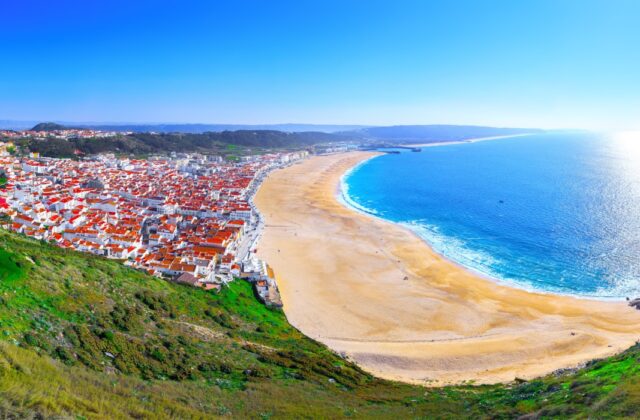
Travel north to Nazaré in the morning and begin along Praia da Nazaré, the broad town beach. Traditional boats displayed near the waterfront recall an era when crews launched from the sand and returning vessels were hauled ashore. The modern harbour, south of the main beach, changed those working conditions. Looking at both places helps explain why older photographs show fishing activity directly in front of the town.
Seek out the fish-drying area on the beachfront, where fish may be laid on mesh racks to cure in sun and air. This practice helped preserve catches before household refrigeration and remains a visible part of Nazaré’s identity. Ask before photographing people at work or handling anything on display. You may also see women wearing the traditional layered skirts associated with the town. The celebrated seven skirts have several popular explanations, so avoid treating any single story as settled history. Finish with grilled fish or arroz de marisco, a brothy seafood rice, and leave time for the lanes behind the promenade.
Browse our travel inspiration for ideas, or tell us what kind of day you have in mind.
Day three: Connect Sitio, the Atlantic and Alcobaca
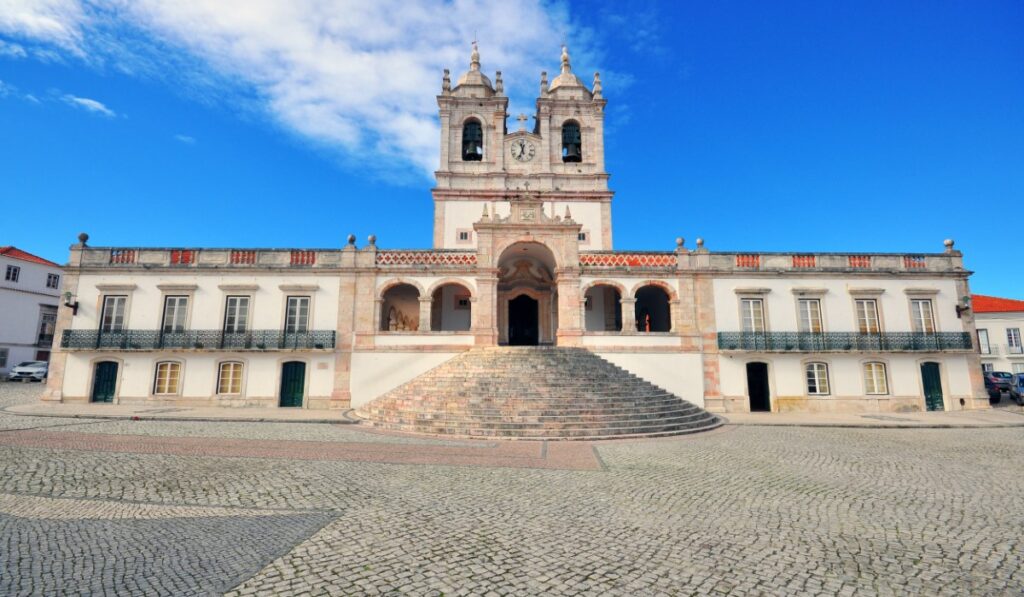
Spend the morning in Sítio, the neighbourhood above the beach. When operating, the funicular links the lower town with the clifftop; road access provides another option. At the Sanctuary of Nossa Senhora da Nazaré, the town’s maritime life meets a longstanding devotional tradition. The nearby Ermida da Memória is associated with the legend of Dom Fuas Roupinho, said to have been saved from riding over the cliff while hunting in 1182.
Continue towards Forte de São Miguel Arcanjo for the setting overlooking Praia do Norte. The submarine Nazaré Canyon helps explain the exceptional waves that form here under particular conditions, but giant surf is not an everyday spectacle. Follow closures and barriers, and never approach the water to improve a photograph. After lunch, drive inland to Alcobaça, about 20 minutes away. Its UNESCO-listed Cistercian monastery contains the carved tombs of Pedro I and Inês de Castro. Return to Nazaré for dinner, perhaps trying local dried fish where offered, with staff explaining its preparation and serving style.
Day four: Take the sheltered bay route back to Lisbon
After two nights in Nazaré, follow the coast south to São Martinho do Porto. Its shell-shaped bay offers a striking contrast with the open Atlantic at Praia do Norte. Walk the waterfront, pause for coffee and look across towards Salir do Porto. The bay is generally more sheltered than neighbouring ocean beaches, but swimming decisions should still follow flags, local advice and the day’s conditions.
Continue inland to Óbidos before returning to Lisbon. The walled town provides a change of texture after several days of salt air: whitewashed houses, stone gateways and narrow streets rather than harbour quays. Allow time for lunch and a walk without committing everyone to the ramparts, which have uneven surfaces and exposed stretches. If tasting ginjinha, the local sour cherry liqueur, save it for passengers rather than anyone driving. Óbidos to Lisbon usually takes about an hour by road, but allow additional time for city traffic and any fixed evening plans.
Make room for weather, appetite and everyday life
Spring and early autumn often suit this route well, with comfortable sightseeing weather and less pressure than peak summer. Winter can bring dramatic seas, rain and strong winds, making indoor alternatives valuable. Summer offers longer evenings but busier beachfronts. Whatever the month, bring a windproof layer and shoes with grip. Check current opening hours for museums, religious sites and the fort, along with funicular status.
For meals, ask what is fresh rather than assuming every species is locally landed that day. Sardines are especially associated with the warmer months; grilled fish, clams and seafood rice provide other possibilities according to availability. Confirm whether fish is priced by weight before ordering. Above all, leave space to watch and listen respectfully. Nazaré’s fishing heritage makes most sense when the beach, harbour, devotional sites and dinner table are experienced together.
Plan your own day
Share your dates, group size and interests, and we will suggest a tailored plan with a local driver/guide.