Most American travelers cover Lisbon, Sintra, and Porto on their first visit, only to realize how much country remains unexplored. Here is why return journeys often surpass the initial trip.
1. The realization that Lisbon and Porto are just the opening chapter
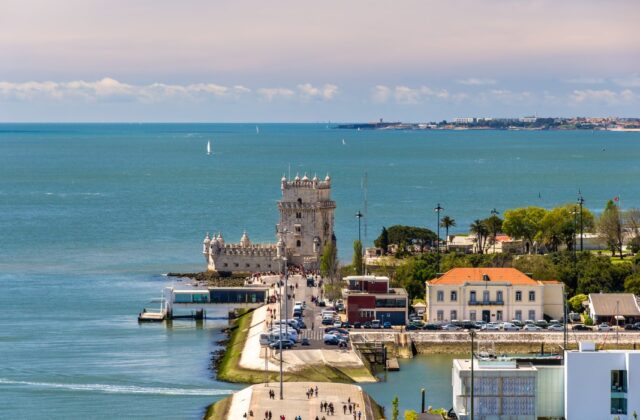
A first visit to Portugal typically follows a familiar arc: three nights in Lisbon, a day trip to Sintra, and two nights along the riverbanks of Porto. While that introductory route highlights grand monuments like Jeronimos Monastery and the Clérigos Tower, it barely scratches the surface of the country. American travelers quickly learn that the geographic compact nature of Portugal makes branching outward remarkably simple.
On a second visit, guests can bypass the introductory city orientations and head directly into regional landscapes. Rather than rushing between urban sights, travelers discover that dedicating three days to the golden plains of the Alentejo or four days to the Minho wine country offers a much richer connection to daily Portuguese life.
2. The southern coast beyond summer resort crowds
First-time visitors often skip the Algarve because they fear overdeveloped beach strips and crowded boardwalks. Returning travelers discover that the southern region holds protected natural parks, quiet whitewashed fishing towns, and dramatic sea cliffs that shine brightest during the mild spring and autumn months.
A four-day southern loop connecting the historic walls of Lagos, the remote windswept headland of Sagres, and the traditional architecture of Tavira near the Ria Formosa lagoon provides an entirely different perspective. The pace is slow, the grilled sea bass arrives fresh from daily village catches, and the Atlantic walking paths remain wide open.
3. The ease of travel without handling mountain roads or toll systems
Driving in southern Europe can cause friction for American visitors unaccustomed to tight medieval alleys, complex electronic toll highways, and scarce parking near ancient monuments. On a second trip, travelers frequently decide to abandon rental cars entirely, opting instead for dedicated touring services in Mercedes-Benz touring vehicles.
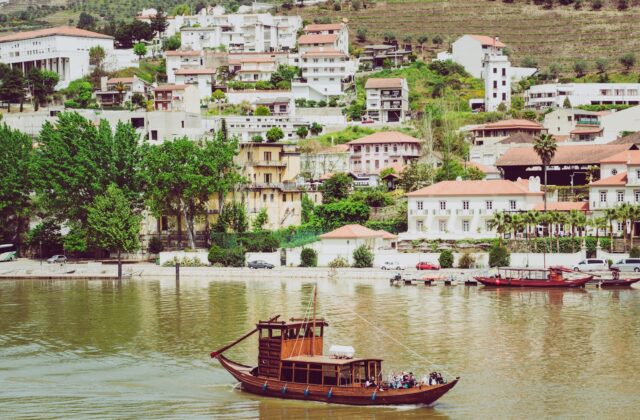
Having a local driver guide allows guests to sit back while someone else handles the serpentine bends of the Douro Valley or the narrow granite gateways of hillside fortifications. A dedicated guide can shape the day around the guests, pivoting stops when a remote Romanesque chapel catches someone’s eye or extending lunch at a countryside tasca without worrying about driving afterward.
Browse our travel inspiration for ideas, or tell us what kind of day you have in mind.
4. Wine regions that outshine commercial tastings in other countries
Many Americans arrive in Europe thinking of Tuscany, Bordeaux, or Rioja as the benchmarks for wine travel. A brief taste of Port wine on a first trip often leads to curiosity about the country’s vast indigenous grape varieties, sparking an appetite for an in-depth regional wine itinerary.
A return itinerary allows for three days exploring the schist terraces of the Douro Superior tasting complex dry reds from Touriga Nacional, followed by cellar visits in the Dao near Viseu for balanced, mineral whites. In the Alentejo, around towns like Borba and Reguengos de Monsaraz, winemakers welcome guests into estates producing rich reds from clay amphorae, offering personal hospitality that has vanished from more commercialized European wine regions.
5. Historic inland towns that feel frozen in time
Between Lisbon and Porto lies a dense network of towns that hold centuries of pivotal history. While first-time itineraries might only pause for an hour in Obidos, a second trip offers the breathing room to build an entire four-day historic loop through central Portugal.
Travelers can explore Tomar to walk through the Convent of Christ and study centuries of Templar architecture, stay near the Gothic mastery of Batalha Monastery, and climb through the cobblestone alleys of Marvao near the eastern border. These stone villages stand high above olive groves, free from the tour buses that crowd mainstream European landmarks.
6. Exceptional dining value compared to France or Italy
American travelers regularly comment on how much further their vacation budgets stretch in Portugal without sacrificing culinary quality. After experiencing fine seafood, regional cheeses, and excellent estate bottlings on their initial visit, returning guests design multi-day trips centered around regional gastronomy.
From black Iberian pork, known as porco preto, served in the rustic taverns of Evora to coastal platters of percebes and giant carabineiro prawns along the western coast, dining remains genuine and accessible. Even multi-course lunches paired with regional wines rarely match the steep dining costs found in counterpart destinations across Spain, Italy, or France.
7. The cradle of the nation in the green Minho region
North of Porto lies the Minho, a verdant province deeply tied to the foundation of the Portuguese kingdom. First-time visitors rarely make it this far north, making it one of the premier targets for an enriching return journey.
A three-day exploration can link Guimaraes, where Afonso Henriques declared independence in the twelfth century, with the baroque stairways of Bom Jesus do Monte in Braga. Farther north along the Lima River, Ponte de Lima welcomes visitors with its Roman bridge and Friday open-air markets, serving crisp Vinho Verde alongside roasted kid goat in family-run dining rooms.
8. An environment where safety and warmth remove everyday stress
Perhaps the most powerful reason Americans rebook Portugal is how calm the country feels from arrival to departure. English is spoken widely and with genuine warmth, violent crime rates are among the lowest in the world, and hospitality never feels transactional.
On a second visit, travelers carry no anxiety about navigating airport transfers, ordering in neighborhood bakeries, or walking through city quarters at night. Working with a private driver guide who knows the terrain turns each transition between regions into an effortless conversation, allowing couples and multi-generational families to focus solely on enjoying their time together.
Plan your own day
Share your dates, group size and interests, and we will suggest a tailored plan with a local driver/guide.