Connect Lisbon, Sintra, Coimbra, Aveiro, and Porto through their most celebrated convent sweets and traditional regional bakehouses.
The Convent Roots of Portuguese Confectionery
Portuguese pastry baking is deeply intertwined with religious history. Between the fifteenth and nineteenth centuries, convents and monasteries across the country developed an intricate confectionery culture. Nuns and monks used massive quantities of egg whites to clarify local wines and starch linen vestments, leaving enormous volumes of leftover yolks. At the same time, the arrival of cane sugar from Madeira and Brazil gave kitchens access to an ingredient that preserved food longer than traditional honey.
Monastery kitchens combined these abundant egg yolks with boiling sugar syrups, toasted almonds, sweet squash, and fragrant spices like Ceylon cinnamon. The resulting repertoire, known across the country as docaria conventual, remains the bedrock of regional morning culture. Instead of rushing between sights, thoughtful travelers can plan their route across Portugal around these historic bakehouses. With Portugal Magik, guests travel comfortably between historic towns in modern Mercedes-Benz vehicles, allowing a knowledgeable driver guide to shape each travel day around personal timing and appetite.
Days One and Two: The Custard Tart and Sintra Specialties
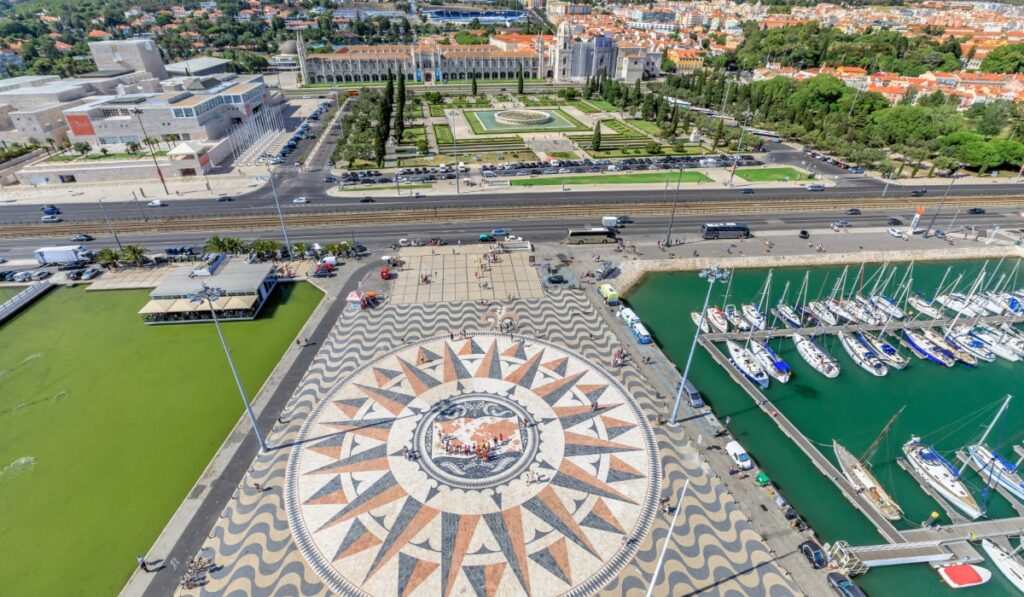
Every sweet journey begins in Lisbon, specifically in the riverside district of Belem. In the early nineteenth century, following the secularization of religious orders, the monks of the Jeronimos Monastery began selling warm custard pastries to support themselves. Today, the original factory near the monastery produces Pasteis de Belem according to that closely guarded recipe. The warm custard balances gentle sweetness with the crunch of flaky puff pastry, served dusted with cinnamon and powdered sugar.
Moving westward toward the Atlantic coast, the mountain town of Sintra offers two completely different pastry traditions. At Casa Piriquita, operating on Rua das Padarias since 1862, visitors line up for travesseiros and queijadas. Travesseiros, meaning pillows, are light batons of puff pastry filled with almond paste and egg cream. Sintra queijadas, by contrast, date back to medieval records and rely on fresh curd cheese, egg yolks, flour, and a thin, crisp crust. Pairing these two historic stops creates an ideal two-day introduction to central Portuguese baking traditions.
Day Three: Marble Monasteries and Century-Old Recipes in Alcobaca
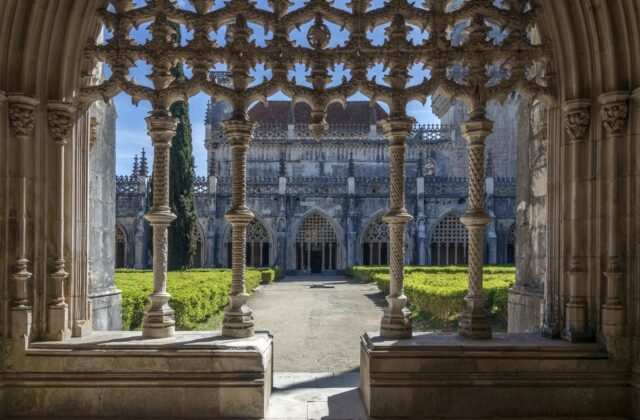
Heading north from Lisbon toward central Portugal, the town of Alcobaca makes a natural centerpiece for the third day. The Monastery of Santa Maria de Alcobaca was founded in 1153 by Portugal’s first king, Afonso Henriques, and became the headquarters of the Cistercian order. The nearby bakery Pastelaria Alcoba makes pastries inspired directly by recipes handed down from the local nuns of the Cistercian convent of Celas.
Here you can sample cornucopias, deep-fried pastry cones filled with rich ovos moles and sprinkled with crushed nuts, alongside delicias de frei joao and segredos de alcobaca. These treats are dense, egg-forward, and steeped in centuries of monastic heritage. Traveling through this countryside with your dedicated driver means bypassing parking concerns in tight medieval squares, leaving you free to explore the monastery cloister before sitting down for an espresso and a fresh pastry.
Browse our travel inspiration for ideas, or tell us what kind of day you have in mind.
Day Four: Coimbra Pastéis de Santa Clara and Aveiro Soft Eggs
Continuing along the historic north-south corridor brings you to Coimbra, Portugal’s ancient university capital. The Santa Clara-a-Nova Convent overlooking the Mondego River originated the pasteis de Santa Clara. These delicate, half-moon pastries feature paper-thin phyllo-like dough wrapped around a filling of egg yolks, ground almonds, and fine sugar, baked until just crisp and lightly dusted with white sugar. Pastry shops along the historic Rua Ferreira Borges keep this craft alive each morning.
An hour further north sits Aveiro, known for its maritime canals and salt flats. Aveiro is the undisputed capital of ovos moles, the first Portuguese confectionery product to earn Protected Geographical Indication status from the European Union. These delicate confections consist of sweetened egg yolks cooked to a glossy cream, encased in thin communion-wafer shells pressed into marine shapes like barrels, clams, fish, and whelks. Pastelaria Maria da Apresentacao da Silva, founded in 1882, remains one of the most respected addresses to watch the craft and taste them fresh from the copper pots.
Day Five: Porto Éclairs and Northern Delicacies
The sweet route reaches its grand finale in Porto, where northern pastry culture showcases both convent traditions and early twentieth-century cafe culture. A classic Porto morning begins at Confeitaria do Bolhao, located opposite the historic municipal market since 1896. Here, patrons order tigelinhas de ovos moles, jesuítas (triangular puff pastries coated with a crisp almond meringue glaze), and glorias.
A short walk down towards Praca dos Leoes brings you to Leitaria da Quinta do Paco, established in 1920. While Lisbon focuses on warm egg custard, Porto locals revere this dairy bakery for its hand-filled eclairs stuffed with fresh whipped chantilly cream and topped with dark chocolate, lemon curd, or caramel. A private driver guide from Portugal Magik can shape the final day seamlessly, dropping you right at the door of these iconic bakeries before delivering you to your hotel or airport connection without the hassle of luggage management.
Tips for Planning Your Sweet Route Across Portugal
To get the most out of your pastry exploration, adopt local habits. Portuguese cafes serve pastries primarily in the morning between eight and eleven, or during the afternoon lanche around four or five. Ordering an espresso, known locally as a bica in the south or a cafe in the north, cuts through the richness of the egg creams and sugar crusts.
Remember that authentic convent sweets contain very few preservatives because they rely on sugar concentration for freshness. When purchasing sweets like Aveiro ovos moles or Sintra travesseiros to enjoy later, plan to consume them within two to three days for the ideal texture. Combining these visits into a continuous overland drive between Lisbon and Porto turns an ordinary transfer day into an authentic culinary expedition.
Plan your own day
Share your dates, group size and interests, and we will suggest a tailored plan with a local driver/guide.