Build a six-day journey from Lisbon to Porto around Portugal’s distinctive pastry traditions. Pair celebrated bakeries with monasteries, palace gardens and canal-side walks, leaving enough time to enjoy each stop.
Day 1: Start with warm custard in Belém
Portugal’s pastry map makes an excellent framework for a journey, provided you resist turning every day into a bakery marathon. This six-day route begins with three nights in Lisbon, continues with overnight stops in Coimbra and Aveiro, and finishes in Porto. The distances leave room for sightseeing and proper lunches. Portugal Magik’s Mercedes-Benz vehicles connect the stops comfortably, while a local driver/guide can shape the day around the guests, balancing monuments, walking time and a second coffee when the occasion deserves it.
Begin at Pastéis de Belém, which has made its celebrated custard pastries since 1837 using a recipe associated with the nearby Jerónimos Monastery. A pastel de Belém belongs to the wider family of pastéis de nata, but the name identifies this particular producer. Try one warm before deciding whether to add cinnamon or icing sugar. Its crisp pastry and soft filling are best appreciated before a long walk.
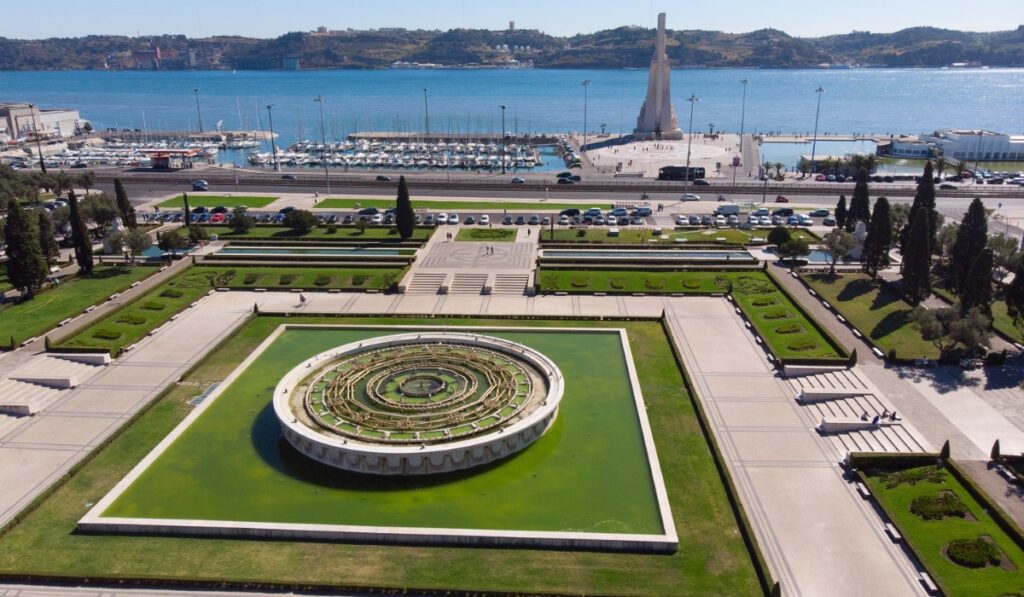
Combine the bakery with Jerónimos, booking any ticketed monastery visit ahead, then stroll towards the Tagus waterfront. Keep the afternoon flexible rather than scheduling another major attraction immediately after lunch. Belém rewards unhurried exploration, and bakery queues and monument entry times can vary considerably.
Day 2: Give Sintra its own pastry day
Stay in Lisbon for a second full day and travel out to Sintra. This is not the moment to add Cascais, Cabo da Roca and several palaces to the same schedule. Choose one principal monument, such as the National Palace of Sintra in the historic centre, and leave time for the town’s two signature sweets: queijadas and travesseiros.
Queijadas de Sintra are small cheese-based tarts, typically made with sugar, eggs and cinnamon inside a thin pastry shell. Queijadas da Sapa is a longstanding specialist near the approach to the historic centre from the railway station. For travesseiros, head to Casa Piriquita, founded in 1862. These elongated puff-pastry pillows contain a sweet almond and egg filling. They offer a useful contrast to the denser, smaller queijadas, so share portions if you want to compare both.
If Pena Palace is your priority, arrange its timed entry before deciding on bakery stops. Sintra’s hills and transport arrangements make tightly packed plans awkward. Return to Lisbon for your final night there, keeping dinner savoury and relatively simple after an afternoon of pastry tasting.
Day 3: Connect Alcobaça’s monastery with its sweet traditions
Leave Lisbon after breakfast and head north to Alcobaça, allowing roughly two hours of road travel before stops or traffic. Make the monastery the centrepiece of the day. Founded in the twelfth century, this Cistercian complex contains the remarkable tombs of Pedro I and Inês de Castro. Seeing the church and monastic spaces first gives the town’s pastry traditions a richer setting.
Then visit Pastelaria Alcoa, established in Alcobaça in 1957, for a selection of convent-inspired sweets. Egg yolks and sugar dominate many Portuguese convent recipes, sometimes joined by almonds or other ingredients. Their histories differ from house to house, so avoid assuming that every sweet has the same origin. Ask which individual pastries are available that day and choose two contrasting textures rather than several similarly rich fillings.
Have lunch in Alcobaça before continuing to Coimbra, around another hour and a quarter away by road. This keeps the day geographically coherent without squeezing in Batalha or Fátima. Spend the evening walking Coimbra’s lower town and stay overnight, ready for a short pastry excursion the following morning.
Browse our travel inspiration for ideas, or tell us what kind of day you have in mind.
Day 4: Make room for Tentúgal’s delicate pastry
From Coimbra, travel west to Tentúgal, roughly half an hour away. The pastel de Tentúgal is unlike a custard tart: extremely thin sheets of dough surround a sweet egg filling, creating a fragile, flaky parcel. Its origins are associated with the town’s Carmelite convent, and Pastel de Tentúgal has Protected Geographical Indication status.
A Pousadinha is a well-known local stop for tasting it. Order a pastry with coffee and eat it seated if possible, since its delicate layers are not ideal for hurried sightseeing. Look closely at the casing before taking a bite. Much of this sweet’s character comes from the contrast between the almost transparent dough and the rich filling.
Return to Coimbra for lunch and an afternoon focused on either the university area or the riverside, rather than both at speed. Reserve ahead if the Joanina Library is essential to your visit. Continue to Aveiro for the night, allowing about an hour on the road from Coimbra. Tentúgal is a worthwhile detour, not a roadside stop directly on the northbound motorway.
Day 5: Taste Aveiro’s ovos moles before heading north
Aveiro introduces a different expression of the egg-and-sugar tradition. Ovos moles are associated with the former Convent of Jesus and also hold Protected Geographical Indication status. The filling is often enclosed in thin wafer shells shaped like fish, shells or other maritime motifs. These are small sweets, but their richness makes a modest tasting sufficient.
Casa da Ovos Moles and Confeitaria Peixinho are established places to look for them. Peixinho dates its foundation to 1856. Buy a small quantity first, then ask the shop about storage and transport before purchasing gifts. Delicate sweets deserve more thought than simply leaving a box in a warm vehicle all afternoon.
Pair the tasting with a walk beside the central canals and a visit to Museu de Aveiro/Santa Joana, housed in the former convent, checking opening arrangements beforehand. After lunch, choose between more time in town and a coastal detour to Costa Nova. Continue to Porto for the night; the direct drive from Aveiro usually takes around an hour.
Day 6: Finish in Porto with a different kind of sweetness
Porto provides a useful reminder that Portuguese pastry culture extends beyond convent recipes. Visit Leitaria da Quinta do Paço, founded in 1920, for its celebrated whipped-cream-filled éclairs. They bring a lighter texture, though not necessarily a less indulgent finish, after several days of yolk-rich sweets.
Build the rest of the morning around central Porto: Mercado do Bolhão, the surrounding shopping streets and São Bento station make a sensible walking sequence. Confeitaria do Bolhão, founded in 1896, offers another historic counter to browse nearby. Choose whatever looks appealing rather than insisting on another regional speciality simply to complete a list.
End with a leisurely lunch and leave the afternoon for the riverfront or your onward plans. Across the journey, check bakery opening days, share generously and taste pastries close to where they are made. The best souvenir is understanding how dramatically Portugal’s sweets change over a relatively short distance.
Plan your own day
Share your dates, group size and interests, and we will suggest a tailored plan with a local driver/guide.