Discover how to connect limestone ocean bluffs, historic fishing docks, and centuries-old vineyards across a relaxed multi-day route south of Lisbon.
Designing a Seamless Route South of the Tagus
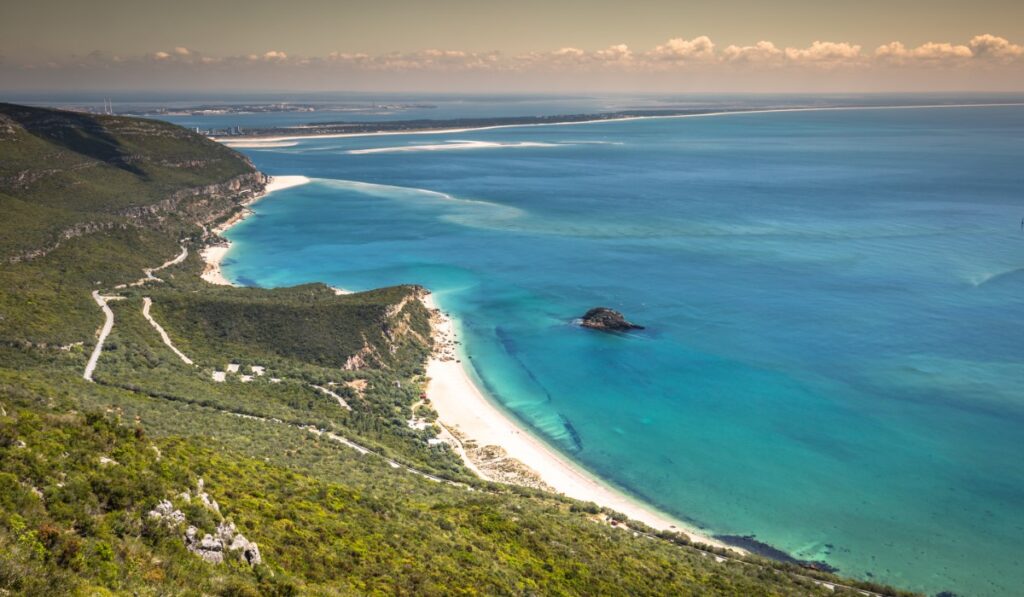
Just thirty miles south of Lisbon lies one of Portugal’s most striking geographical transitions. The dramatic limestone ridge of Parque Natural da Arrabida plunges directly into turquoise Atlantic waters, flanked on one side by the wide Sado River estuary and on the other by rolling hills of muscatel vineyards. Many visitors attempt to see this diverse region in a rushed single-day excursion, but doing so leaves little room to appreciate the quiet pace of fishing towns, cliffside monasteries, and historic market culture.
A well-structured four-day route lets you experience each micro-region without backtracking. By using a base in or near Setubal or Sesimbra, you spend minimal time in transit and more time exploring coastal bastions, tasting regional specialties, and strolling sandy coves. Having a dedicated local driver and guide allows you to relax in a comfortable Mercedes-Benz vehicle along winding mountain roads, adapting the stops each afternoon to match your personal interests and local weather patterns.
Day One: Sesimbra Fortifications and the Windswept Edge of Cabo Espichel
Begin your journey heading south across the 25 de Abril Bridge toward the traditional fishing town of Sesimbra. Sheltered beneath steep green hills, Sesimbra centers around its working harbor and the beachfront fortress of Fortaleza de Santiago, constructed in the seventeenth century to guard the bay against privateers. Walk the seaside promenade where fishermen still mend nets, then head up the hill to Castelo de Sesimbra, an ancient Moorish stronghold with sweeping views over the ocean.
In the afternoon, follow the coastal roads west to Cabo Espichel. This stark, dramatic promontory feels like the edge of the world. The windswept plateau hosts the eighteenth-century Sanctuary of Our Lady of Cape Espichel, complete with historical pilgrim lodgings and an operational lighthouse dating back to 1790. A short walk along the cliff edge reveals fossilized dinosaur trackways preserved in the Jurassic rock layers below, offering a quiet contrast to the bustling coast.
Day Two: The Limestone Ridges and Hidden Coves of Arrabida
Dedicate your second day to Parque Natural da Arrabida, traveling along the upper panoramic road known as the Estrada da Corda. This route provides spectacular views of the Atlantic, with the green Mediterranean scrub covering the slopes all the way down to calm, crystal-clear waters. Perched midway down the ridge sits the Convento da Arrabida, founded in 1542 by Franciscan monks who sought solitude among the cliffs and wild herbs.
Descend toward the ocean to visit protected beaches such as Portinho da Arrabida and Praia do Creiro. These coves are sheltered from northern Atlantic winds, resulting in calm, transparent waters ideal for peaceful walks. At Praia do Creiro, explore the Roman ruins of a fish salting factory that operated from the first to fifth centuries, showcasing the deep culinary roots of this coast. Your driver can coordinate drop-offs and pick-ups seamlessly, bypassing the limited parking areas that often complicate visits here.
Browse our travel inspiration for ideas, or tell us what kind of day you have in mind.
Day Three: Maritime Heritage and Market Life in Setubal
Move east to Setubal, a historic port city built where the Sado River meets the ocean. Begin your morning early at the Mercado do Livramento, widely recognized as one of Portugal’s finest public markets. The market hall is framed by grand nineteenth-century tile panels depicting regional farming and fishing scenes. Inside, local vendors display glistening silver scabbardfish, sea bass, red mullet, and cuttlefish, alongside fresh produce from nearby farms.
For lunch, head to the dockside district along Avenida Luisa Todi to sample choco frito, the city’s signature dish of tender cuttlefish fried in a light batter and served with lemon wedges. In the afternoon, climb the hill above the harbor to the Fortress of Sao Filipe. Built in 1582 under King Philip I to protect the bay, the fortress offers panoramic vantage points across the Troia Peninsula and the Sado Estuary, where a resident pod of bottlenose dolphins can often be spotted swimming near the sandbars.
Day Four: Wine Heritage and Tile Art in Azeitao
Conclude the itinerary inland at the foot of the hills in the quiet town of Vila Nogueira de Azeitao. This agricultural pocket is renowned for producing Queijo de Azeitao, a raw sheep milk cheese curdled with thistle flower that yields a rich, spoonable texture. Pair it with local sourdough bread and traditional tortas de Azeitao, sweet rolled sponge cakes filled with egg custard and a hint of cinnamon.
Azeitao is also home to historic wine lodges specializing in Moscatel de Setubal, a celebrated fortified wine aged for years in oak barrels to develop complex notes of orange peel, dried apricot, and honey. Nearby, visit small artisan tile workshops where artisans paint ceramic azulejos by hand using techniques dating to the seventeenth century. Your local driver can help shape the return drive back toward Lisbon at an easy pace, stopping at quiet roadside viewpoints along the southern banks of the river before crossing back into the capital.
Plan your own day
Share your dates, group size and interests, and we will suggest a tailored plan with a local driver/guide.