Build a four-day journey from Lisbon around Fatima and Batalha, with time for village paths, Alcobaca and the Atlantic at Nazare. This practical route separates pilgrimage visits from monastery sightseeing so neither feels rushed.
Set the route before choosing your overnight stops
Fátima and Batalha sit close enough for a single outing, but they reward different kinds of attention. Fátima is an active place of Catholic pilgrimage, where services and personal reflection shape the visit. Batalha is a monumental encounter with Portuguese royal history and Gothic architecture. Giving them separate days makes room for both, then leaves space for Alcobaça and Nazaré without turning the journey into a checklist.
From Lisbon, plan roughly 90 minutes to two hours to reach Fátima by road, depending on traffic and your departure point. Fátima to Batalha usually takes around half an hour. Spend the first night in Fátima if an evening service matters to you, then move to Batalha for two nights. Alternatively, keep one base in Batalha and accept the return drive after any evening pilgrimage activities.
Portugal Magik offers private driver and guided journeys in Mercedes-Benz vehicles. A local driver/guide can shape the day around the guests, allowing longer for prayer, architecture or lunch rather than forcing every stop into equal time.
Day 1: Arrive in Fatima with time for the sanctuary
Leave Lisbon after breakfast and make the Sanctuary of Fátima your main commitment. Its story centres on the apparitions of the Virgin Mary reported by three shepherd children, Lúcia dos Santos and her cousins Francisco and Jacinta Marto, in 1917. Begin at the Chapel of the Apparitions, built at the site associated with those events, before crossing the broad prayer area.
Visit the Basilica of Our Lady of the Rosary, where the three seers are buried, then the Basilica of the Most Holy Trinity, inaugurated in 2007. The contrast between the older basilica and the large contemporary church helps explain how the sanctuary has developed to receive growing numbers of pilgrims. Allow two to three hours for an introductory visit, more if you intend to attend Mass.
Check the sanctuary’s current programme before arranging dinner around an evening rosary or candlelight procession. Major pilgrimage dates, particularly 12 and 13 May and October, bring much heavier crowds. Dress respectfully, keep voices low near worshippers and remember that crossing the open square can take longer than its uncluttered appearance suggests.
Day 2: Walk the village story, then settle into Batalha
Use the morning for Aljustrel, the village where the shepherd children lived. The family houses of Lúcia and of Francisco and Jacinta bring the pilgrimage story into a modest rural setting. Nearby Valinhos is associated with the August 1917 apparition, while the Via Sacra follows a devotional route through the surrounding landscape. Choose a short section or a longer walk according to the weather and your mobility.
This is not a morning to squeeze between timed appointments. Paths, standing time and summer heat can make even short distances tiring. Carry water and shoes with dependable grip, and check access arrangements for the houses before travelling. Those with a devotional interest may prefer another sanctuary visit instead of completing the walking route.
After lunch, continue to Batalha and leave the monastery interior for tomorrow. Walk around its exterior and the town centre to get your bearings. For dinner, look for Portuguese staples such as bacalhau assado, oven-roasted salt cod, or grilled meat with potatoes and greens. Menus vary, so treat these as possibilities rather than fixed inclusions.
Browse our travel inspiration for ideas, or tell us what kind of day you have in mind.
Day 3: Give Batalha Monastery the whole morning
The Monastery of Santa Maria da Vitória was founded by King João I following the Portuguese victory at the Battle of Aljubarrota in 1385. Construction continued across generations, producing a remarkable combination of Gothic architecture and Manueline detail. Now a UNESCO World Heritage Site, it deserves at least two hours, with extra time for anyone interested in carved stonework or royal history.
Start with the church, then explore the Founder’s Chapel, where João I and Philippa of Lancaster share a tomb. Their sons buried here include Henry the Navigator. Continue through the Royal Cloister and the Chapter House, which contains the Tomb of the Unknown Soldier. These spaces are not simply attractive backdrops: together they connect the monastery’s dynastic origins with Portugal’s later national remembrance.
Finish with the Unfinished Chapels, whose open roof and elaborate Manueline portal make them one of Batalha’s most memorable spaces. Check current ticket coverage, opening hours and any restricted access before arrival. After lunch, either keep the afternoon free or visit the Battle of Aljubarrota Interpretation Centre near São Jorge, checking its opening schedule separately.
Day 4: Link Alcobaca with a seafood lunch in Nazare
Drive roughly half an hour from Batalha to Alcobaça for a second monastery with a distinctly different character. Founded in the twelfth century, the Cistercian Monastery of Santa Maria de Alcobaça is another UNESCO World Heritage Site. Its church feels more restrained than Batalha, while the fourteenth-century tombs of Pedro I and Inês de Castro introduce one of Portugal’s most enduring royal stories.
Allow around two hours before continuing to Nazaré, approximately 20 to 30 minutes away. For lunch, look for grilled fish or caldeirada, a fish stew whose ingredients depend on the kitchen and catch. In Alcobaça, a pastry counter may offer cornucópias, crisp cones filled with egg-rich cream, a fitting stop for anyone interested in the area’s convent-influenced sweets.
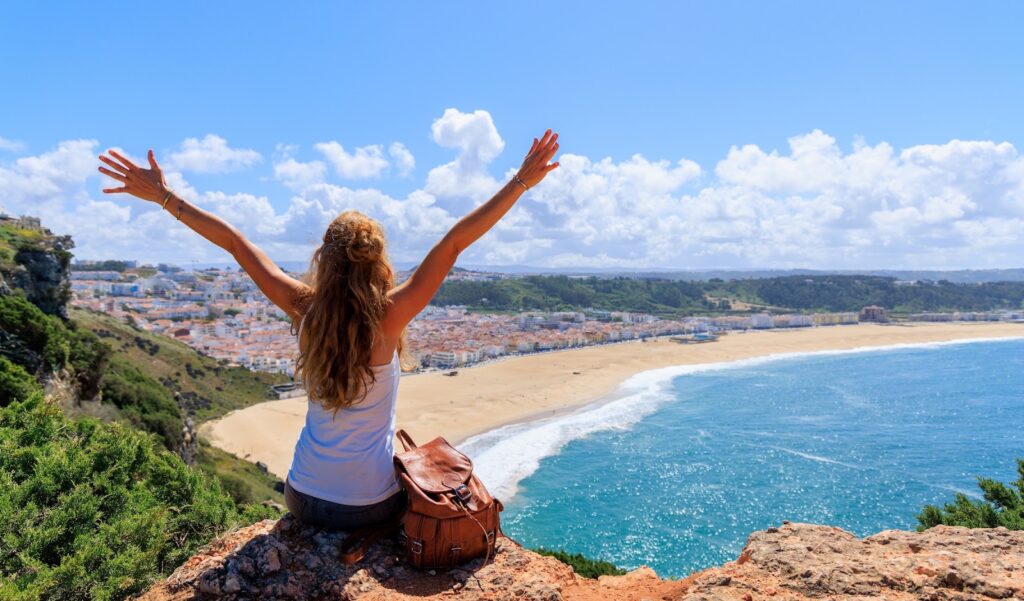
Spend the afternoon between Nazaré’s beachfront and Sítio, the upper district overlooking the town. Praia do Norte is associated with giant winter surf, but exceptional waves depend on conditions and are never a daily attraction. Return to Lisbon in roughly two hours, allowing more for traffic, or stay overnight by the coast.
Adjust the pace without losing the route
For a three-day version, combine Aljustrel and Batalha on the second day, keeping the monastery as the afternoon’s only major visit. For five days, add an overnight in Nazaré rather than another distant landmark. The extra morning gives you time for the fishing harbour area or a quieter beach walk before returning south.
Spring and autumn often suit this route, although pilgrimage dates can outweigh seasonal patterns in Fátima. In summer, place outdoor walking early in the day; in wetter months, keep coastal plans flexible. Recheck religious programmes, monument hours and restaurant opening days shortly before departure. The strongest itinerary preserves time at its two anchors rather than collecting extra stops.
Plan your own day
Share your dates, group size and interests, and we will suggest a tailored plan with a local driver/guide.