Give Guimarães and Braga four days rather than squeezing both into a single outing from Porto. This practical route connects medieval streets, northern food, archaeological sites and hillside sanctuaries without turning every day into a checklist.
Build a four-day stay around two neighboring cities
Guimarães and Braga sit close enough to share a northern Portugal itinerary, but their stories deserve separate days. Guimarães connects visitors with the beginnings of the Portuguese kingdom, while Braga layers Roman origins, ecclesiastical history and lively shopping streets. Allow four days and three nights for both cities and their surrounding hills, starting from Porto and returning there afterward or continuing north.
Choose Guimarães as your base if evenings in compact medieval squares appeal most. Choose Braga for a larger city atmosphere and more extensive restaurant choices. Moving hotels is unnecessary: the drive between the two usually takes around half an hour to forty minutes, depending on traffic and your exact addresses. Portugal Magik combines private driving and guided touring in Mercedes-Benz vehicles, and a local driver/guide can shape each day around the guests, balancing walking, meals and sightseeing rather than imposing the same sequence on everyone.
Day one: Follow the origins of Portugal through Guimarães
Leave Porto after breakfast, allowing roughly an hour on the road. Begin on the upper side of Guimarães with the castle and the nearby Church of São Miguel do Castelo. The castle has roots in the tenth century and is closely associated with Portugal’s early monarchy. The decisive Battle of São Mamede took place nearby in 1128, strengthening the position of Afonso Henriques, who became Portugal’s first king.
Continue to the Paço dos Duques de Bragança, a fifteenth-century ducal residence recognizable by its numerous brick chimneys. Its furnished interiors help distinguish aristocratic domestic life from the defensive story told by the castle. Check current access arrangements before traveling, particularly if restoration work affects either monument.
After lunch, walk downhill into the UNESCO-listed historic center. Link Largo da Oliveira, the church of Nossa Senhora da Oliveira and the Gothic Padrão do Salado with neighboring Praça de São Tiago. Keep the afternoon loose enough for side streets and a café stop. Ask for a torta de Guimarães, a local pastry traditionally made with squash, almonds and egg yolks.
Day two: Choose ancient settlements or the wooded heights
Use the second morning for Citânia de Briteiros, north of Guimarães. This fortified settlement preserves the foundations of houses and streets from a community whose history spans the Iron Age and Roman period. It adds an important chapter before the castles and churches: northern Portugal was not an empty landscape waiting for a kingdom. Wear shoes with good grip, since the archaeological paths are uneven and exposed.
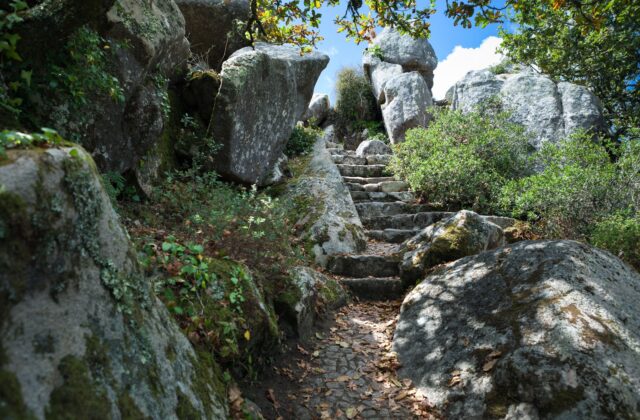
After a leisurely lunch, return toward Guimarães for Penha, the wooded hill above the city. Its granite boulders, shaded paths and sanctuary provide a different afternoon from another museum visit. The cable car offers a scenic connection when operating; otherwise, road access makes Penha easy to incorporate. Check the operating schedule rather than assuming a late return is possible.
Travelers who prefer fewer transitions should choose either Briteiros or Penha and spend the remaining time in Guimarães. A slower second day works particularly well after an overnight flight or a busy stay in Porto.
Browse our travel inspiration for ideas, or tell us what kind of day you have in mind.
Day three: Give Braga’s historic center a full day
Start Braga at the Sé, the cathedral whose origins reach back to the eleventh century. Later additions mean the building is not a single-period monument, and its chapels and treasury reward a more attentive visit. Confirm which areas require separate admission or a guided visit. As this remains an active place of worship, allow for services and dress appropriately.
Walk onward through Rua do Souto and past the Jardim de Santa Bárbara, where formal flower beds sit beside the medieval wing of the former archiepiscopal palace. Continue toward the Arco da Porta Nova, then pause for lunch rather than immediately driving to the hills. Braga is best understood as a working city, not simply the approach road to Bom Jesus.
For the afternoon, choose the Museu dos Biscainhos, housed in an aristocratic residence with historic gardens, or the archaeological museum named for D. Diogo de Sousa. The latter gives context to Roman Bracara Augusta. At the table, look for bacalhau à Braga, commonly served with fried potatoes and an onion-based topping, followed by a sweet tíbia pastry.
Day four: Pair Bom Jesus with Sameiro, then leave room
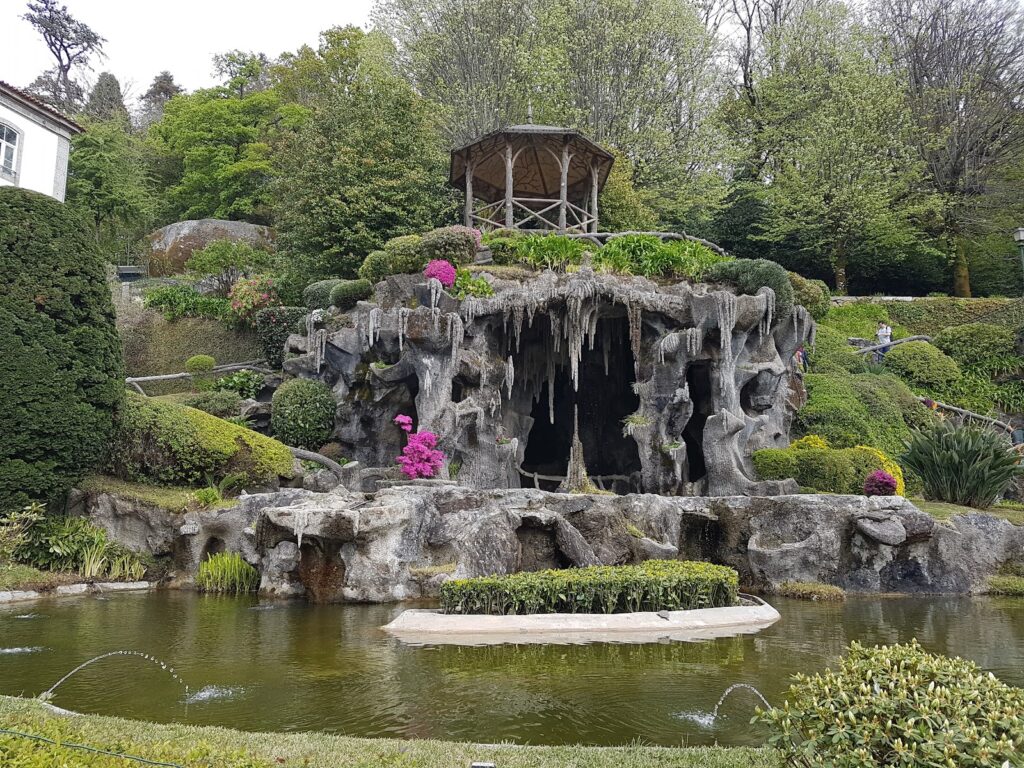
Reserve the final morning for Bom Jesus do Monte, a UNESCO World Heritage sanctuary outside Braga. Its monumental stairways turn the climb into a sequence of fountains, symbolic figures and religious scenes. Visitors who do not want to tackle the full staircase can reach the upper area by road or use the historic water-powered funicular when it is operating.
Begin early for a quieter experience, although religious dates and weekends can still draw crowds. Allow time for the church, terraces and wooded grounds, rather than taking a photograph at the steps and leaving. The views depend on the weather, so a clear morning is worth prioritizing.
Continue to the nearby Sanctuary of Sameiro if you want to compare two very different pilgrimage settings. Its broad terraces and prominent dome contrast with Bom Jesus’s elaborate staircase. Have lunch before returning to Porto, or keep the afternoon free in Braga. Adding another distant town would undermine the breathing room that makes this itinerary work.
Make the sequence fit the season and your next stop
Northern Portugal can be wet, especially outside summer. Swap the archaeological site or hilltop visits with museum time when the forecast changes. Historic centers include cobbles and slopes, so comfortable footwear matters even on days with short drives. Confirm opening days for museums, monument interiors and the cable car before fixing the sequence.
Spring brings green landscapes, while autumn often suits longer lunches and gentler walking days. Braga’s Holy Week celebrations can transform the city’s atmosphere and affect accommodation availability, traffic and access. Book ahead if those traditions are part of your reason for visiting.
With only three days, combine Briteiros with the transfer between cities and omit Penha. With five, add Ponte de Lima for its riverside historic center and Minho food traditions. Either way, preserve one substantial day in each main city: Guimarães and Braga offer much more when they are not competing for the same afternoon.
Plan your own day
Share your dates, group size and interests, and we will suggest a tailored plan with a local driver/guide.